




Samsung Repair in The Fix in Walmart Frederick
From cracked Galaxy screens to battery problems, The Fix in Frederick, MD provides fast Samsung repairs with free diagnostics and high-quality parts.

Professional Samsung Repair Services
- Battery Replacement
- Water Damage Repair
- Screen Repair & Replacement
- Camera Repair
- Charging Port Repair
- Speaker & Microphone Repair
- Software Troubleshooting & Recovery
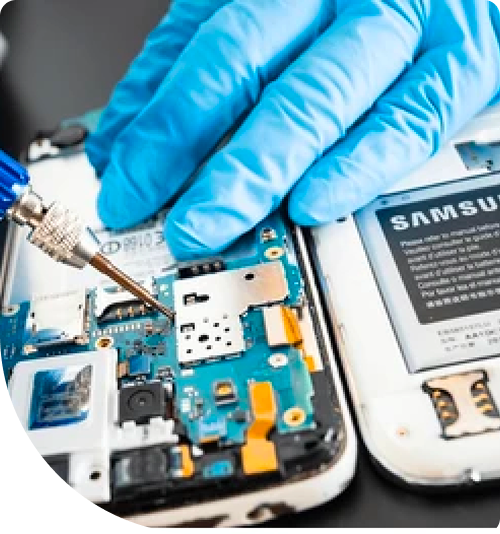
Professional Samsung Repair Services In The Fix in Walmart Frederick
The Frederick Effect on Samsung: A Field Technician's Report
Samsung devices operating in Frederick encounter environmental conditions that accelerate specific failure patterns unique to Samsung's design architecture. The Dynamic AMOLED display technology uses advanced organic light-emitting materials and precision color management systems that respond sharply to humidity stress. Under-display optical fingerprint sensors depend on precise optical alignment that Frederick's thermal cycling degrades. The Galaxy Z Fold hinge design, with its innovative flexible screen technology, faces unique mechanical stress from the humid, temperature-variable climate. When Samsungs experience performance degradation, display issues, or sensor failures, the technical root causes often trace to environmental stress patterns that continue progressing unless targeted intervention occurs.
Frederick residents operating Samsungs benefit from understanding device-specific failure patterns before they cascade into major failures. The commuter population along the I-270 corridor from Gaithersburg and Rockville, federal workers at Fort Detrick, and college students at Hood College and Frederick Community College all subject their devices to the local climate's unique stresses. When you need diagnostic expertise specific to Samsung repair in Frederick, MD devices, technicians familiar with Samsung's architecture—Dynamic AMOLED degradation, Exynos processor characteristics, Knox security architecture—can identify which failures are reversible through targeted intervention versus which require component replacement.
The Intake Brief
Dynamic AMOLED OCA adhesive layer delamination represents the primary display failure pattern affecting Samsung flagship devices. The OCA (optically clear adhesive) bonds the AMOLED display panel to the glass cover, serving dual purposes. Mechanically, the adhesive maintains structural integrity keeping glass bonded to the display. Optically, the adhesive fills microscopic air gaps between glass and display, minimizing light scatter that would otherwise reduce display clarity and brightness. The adhesive degrades under Frederick's mid-Atlantic humidity patterns. The 40–70% relative humidity baseline combined with summer spikes toward 85%+ creates osmotic pressure driving water vapor into the adhesive layer. The adhesive's polymeric structure absorbs this moisture, expanding and losing adhesive strength. The adhesive no longer grips glass firmly to the display panel. Separation typically initiates at the display edges where humidity ingress proceeds most rapidly. As separation progresses over weeks, the adhesive bond deteriorates. The glass begins lifting away from the display panel, introducing air gaps that scatter light, reduce brightness, and distort color rendering. Users perceive this as progressive display degradation—colors wash out, brightness decreases, or the display appears hazier. S-Pen Wacom digitizer recalibration requirements emerge after display replacement or hinge reconstruction on Galaxy Note and Galaxy Tab devices. The S-Pen uses electromagnetic induction with a Wacom digitizer layer embedded in the display substrate.
The digitizer and S-Pen must be precisely calibrated so that the pen position on the digitizer corresponds correctly to the displayed coordinate system. After display replacement, the new digitizer has never been calibrated with the S-Pen. The pen positions incorrectly—coordinates misaligned, with the displayed cursor appearing offset from actual pen position. Handwriting and pressure sensing accuracy degrade. Users believe the S-Pen has failed or the new display is incompatible. Recalibration procedures restore precise coordinate mapping without requiring component replacement. Exynos and Snapdragon PMIC power rail fault patterns differ significantly between processor variants. Samsung manufactures models with both Exynos processors (internally developed) and Snapdragon processors (Qualcomm). The power management IC (PMIC) regulates voltage rails supplying the processor cores. If the PMIC experiences component failure, it cannot maintain stable voltage supply. The processor receives unstable voltage, triggering throttling firmware to reduce performance. The device becomes sluggish or experiences random reboots. The distinction between Exynos and Snapdragon failure modes guides diagnosis—Exynos devices typically show more aggressive thermal throttling, while Snapdragon devices show more voltage regulation issues. Under-display optical fingerprint sensor alignment drift affects sensor accuracy over time. The sensor projects light through the display panel glass toward the user's fingerprint, then measures reflected light. Precise optical alignment between the light source, lens elements, and detector determines accuracy. If the display glass expands from thermal cycling or if the sensor housing shifts from mechanical stress, alignment drifts. The sensor becomes unreliable—some fingerprints authenticate successfully while others fail despite correct placement. Sensor accuracy degradation appears as biometric authentication failure, misleading users to believe the biometric system has failed.
What the Teardown Reveals
Component-level examination reveals OCA adhesive separation patterns that guide repair strategy. Peeling back the glass gradually reveals exactly where adhesive separation has progressed. Minimal separation limited to glass edges may allow conservative repair approaches—edge re-adhesion using medical-grade adhesive and humidity barrier application prevents further moisture ingress. Extensive separation across the display area typically requires display replacement, as attempting to re-bond a separated glass layer to the display panel risks introducing air bubbles, uneven pressure, and permanent optical distortion. Galaxy Z Fold UTG (ultra-thin glass) crease polymer fatigue affects the flexible display hinge area. The UTG material is remarkably strong despite being 0.1mm thick, but the hinge stress concentration creates a zone of accelerated material fatigue. Each fold cycle—opening and closing the device—applies mechanical stress to the crease region. The polymer material loses strength over thousands of fold cycles. Micro-cracks initiate in the protective polymer layer coating the crease region, progressively deepening with each fold cycle. After extensive folding, cracks penetrate to the UTG glass itself, introducing stress concentrations that propagate cracks. The display begins showing visible cracks in the crease region. UFS 3.1 storage controller write amplification affects storage performance degradation. The storage controller manages data distribution across NAND flash cells, and wear-leveling algorithms distribute write operations to extend cell lifespan. However, wear-leveling requires rewriting data multiple times during routine operations—each user write operation may trigger multiple internal write operations. This write amplification increases overall write load on the flash cells, accelerating cell aging. As storage ages, the controller applies increasingly aggressive wear-leveling, which amplifies further. Storage performance degrades progressively as the controller spends more effort managing aged cells.
Samsung Knox hardware root of trust architecture provides security but creates diagnostic complexity. Knox hardware implementation includes secure enclave processors and cryptographic elements that validate system integrity. If Knox detects system modification or compromise, it triggers progressive lockdown. Storage encryption keys may become inaccessible if Knox authentication fails. Attempting to bypass Knox protections for diagnostics risks permanent lock-out. Component-level examination of Samsung devices requires respecting Knox architecture—some diagnostics that would be routine on non-Knox devices become impossible without risking security lock-out. Exynos processor thermal characteristics reveal thermal throttling propensity. Exynos cores exhibit higher thermal output per clock cycle compared to comparable Snapdragon implementation, making thermal management more demanding. In the Blue Ridge Mountains foothills environment with thermal cycling stress, Exynos devices show more frequent thermal throttling than Snapdragon variants. This isn't failure—it's normal Exynos thermal management. However, if thermal throttling becomes constant even at moderate usage loads, PMIC voltage regulation issues or degraded thermal interface conditions are causing processor overheating beyond normal Exynos operation. Fingerprint sensor optical misalignment can be evaluated through test imaging. The sensor captures light-based images of the fingerprint. Optical misalignment reduces light transmission and reflection, degrading image quality. Test capture images reveal whether the optical issue is sensor-side (dirty lens, optical element misalignment) or display-side (glass surface contamination, display degradation affecting light transmission).
OCA adhesive separation reveals the balance between mechanical bonding and optical properties. The glass remains structurally sound—it isn't fractured or damaged. The display panel itself continues emitting light and rendering colors. Only the optical coupling through the adhesive has degraded. This distinction guides whether display replacement is truly necessary or whether careful adhesive restoration might extend device lifespan. Galaxy Z Fold crease examination reveals precisely how advanced the polymer fatigue has progressed. Early-stage micro-cracks in the protective polymer layer may be arrestable through precision polymer repair compounds and mechanical stress relief modifications. Advanced cracks penetrating to the UTG layer likely require hinge unit replacement as the mechanical stress concentration cannot be eliminated once glass-level damage occurs. Storage controller write amplification is revealed through performance testing and storage health diagnostics. If performance degradation corresponds to storage age and cell cycle count, write amplification is the cause—the device performs correctly but the storage subsystem slows as it manages aged cells. This is typically irreversible without storage replacement. Knox hardware integrity assessment requires careful firmware examination without triggering security lockouts.
The Field Technician's Approach
Samsung repair strategy requires respecting the device-specific architecture differences between Exynos and Snapdragon variants. Exynos thermal throttling represents normal behavior under load, not system failure. Continuous throttling despite low ambient temperature indicates environmental failure—thermal paste degradation, dust accumulation in cooling channels, or PMIC voltage regulation issues. Diagnostic procedures distinguish between normal Exynos thermal behavior and actual thermal management failure. OCA adhesive separation repair depends on identifying whether separation is reversible through restoration or requires replacement. Edge-limited separation may respond to careful re-adhesion with appropriate adhesive products and humidity barrier application. Extensive separation across the display typically requires replacement. S-Pen recalibration must follow display replacement or hinge reconstruction, as coordinate mapping won't automatically transfer to replacement components. Under-display fingerprint sensor realignment requires precision optical adjustment. Light path testing identifies misalignment, and mechanical adjustment corrects positioning within design tolerances. Fingerprint template re-enrollment after optical correction ensures the sensor captures representative sample images from the corrected optical position. Galaxy Z Fold hinge evaluation requires careful mechanical assessment. The hinge experiences millions of cycles during device life, with the polymer crease protection layer bearing the primary stress. Early-stage polymer crease damage may be arrested through protective measures and reduced mechanical stress. Advanced crease damage requiring hinge replacement indicates the device has reached the limit of design mechanical tolerance for the hinge configuration.
Samsung device repair demands architectural knowledge specific to each processor variant, display technology, and mechanical configuration. Exynos thermal characteristics differ substantially from Snapdragon, requiring different thermal management expectations. OCA adhesive separation requires assessment of separation progression to guide conservative versus replacement-based repair strategy. Galaxy Z Fold hinge stress and crease polymer fatigue require understanding of mechanical stress accumulation and design tolerance limits. The Fix in Walmart Frederick provides Samsung-specific diagnostic expertise and repair capability informed by understanding processor variant differences, display technology particulars, and mechanical design considerations unique to Samsung architectures.
Field Notes
My Samsung display looks increasingly hazy and colors aren't as bright. Is the display dying?
Display haze and brightness loss indicate OCA adhesive delamination from humidity-driven separation between glass and the AMOLED panel. The glass and display panel themselves remain intact—only the optical coupling through the adhesive has degraded. Early detection allows evaluation of whether re-adhesion restoration is possible or whether display replacement is necessary. Waiting allows separation to progress, making display replacement inevitable once the separation becomes extensive.
My Galaxy Z Fold is showing a crack in the fold crease area. Can it be fixed?
Crease cracking develops from polymer fatigue in the protective layer coating the ultra-thin glass. Early-stage polymer micro-cracks may respond to protective measures and reduced folding stress. Once cracks penetrate to the UTG glass itself, the mechanical stress concentration prevents repair and hinge unit replacement becomes necessary. Early identification and mechanical stress reduction can extend device lifespan.
My S-Pen doesn't track correctly to where I'm touching after I had the display replaced. Is the new display incompatible?
S-Pen coordinate misalignment after display replacement indicates the digitizer requires recalibration. Each display has a unique Wacom digitizer with slightly different electrical characteristics. Recalibration procedures map the S-Pen position to the new digitizer's actual coordinate system, immediately restoring accurate tracking and pressure sensitivity without requiring component replacement.
Other Locations Near By You
The Fix in Clarksburg Premium Outlets
22705 Clarksburg Rd, Clarksburg, MD 20871, USA
The Fix in Westfield Wheaton
11160 Veirs Mill Rd, Wheaton, MD 20902
The Fix in Walmart Landover Hills
6210 Annapolis Rd, Landover Hills, MD 20784, United States
The Fix in Walmart Laurel
3549 Russett Green E, Laurel, MD 20724, United States
The Fix in The Mall in Columbia
10300 Little Patuxent Pkwy #1708, Columbia, MD 21044, United States
The Fix in Towson Town Center
825 Dulaney Valley Rd, Towson, MD 21204, United States
The Fix in Westfield Montgomery
7101 Democracy Blvd #212B, Bethesda, MD 20817, United States
Your local repair experts for every device
From iPhones to gaming laptops, The Fix in Frederick, MD is your one-stop shop for device repair. Quick turnarounds, affordable prices, and local experts you can trust
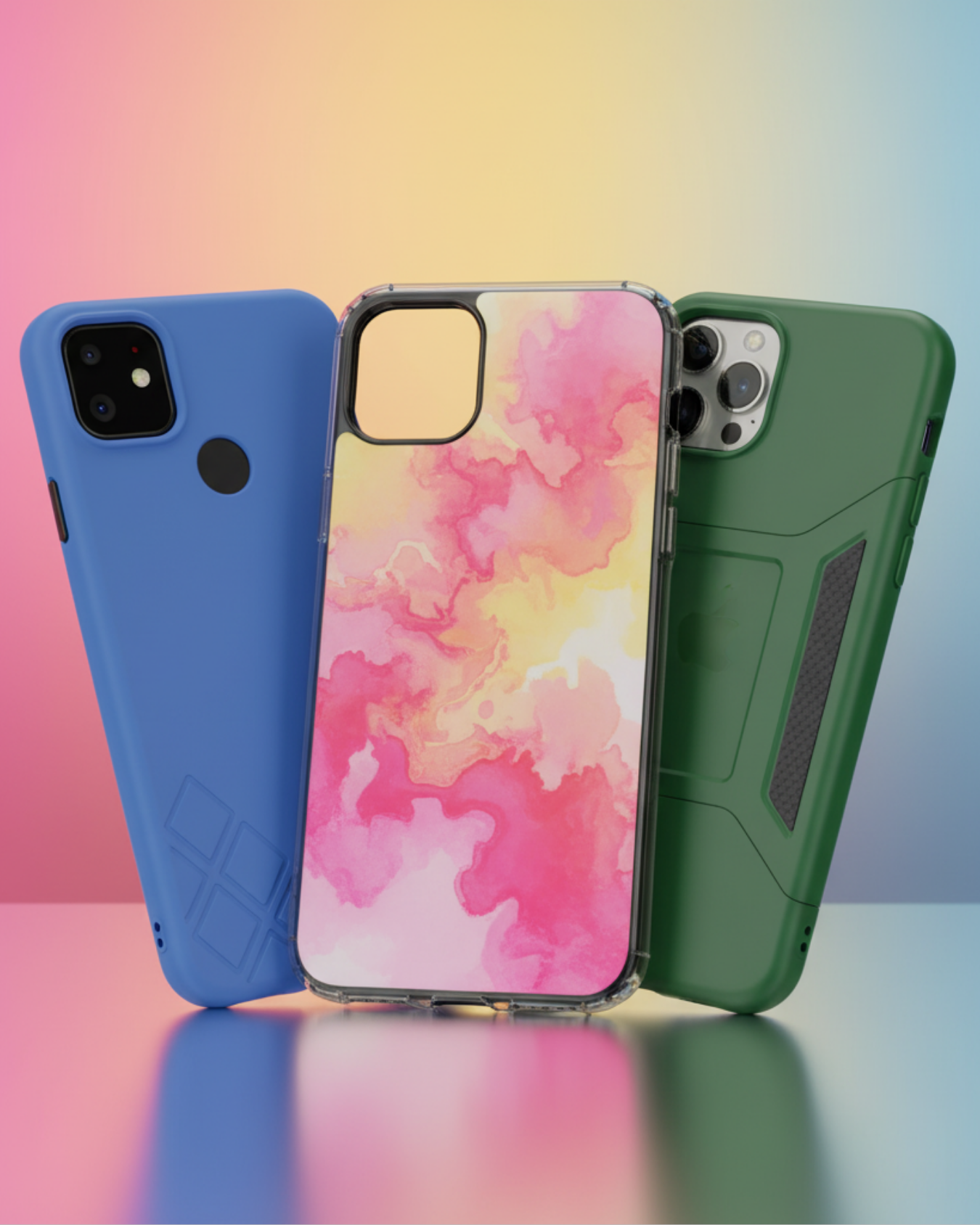
Phone Cases
Protect your device in style! At The Fix in Frederick, MD, we offer a wide selection of durable phone cases for all major brands—sleek designs that keep your phone safe and looking great.

Nintendo Switch Repair
Cracked Nintendo Switch screen? We repair Switch devices in Frederick, MD quickly and affordably. Fast, easy, and always with high-quality parts.

MacBook Repair
For broken screens, battery replacements, or other issues, The Fix in Frederick, MD provides quick MacBook repairs with premium parts.

PlayStation Repair
Is your PlayStation giving you trouble? At The Fix in Frederick, MD, we handle PlayStation repairs with care and quality parts—no long waits, no hassle.
Google Repair
Need your Google Pixel fixed? At The Fix in Frederick, MD, we repair cracked screens, charging issues, and more—always using high-quality parts for lasting results.

Tablet Repair
Whether your tablet screen is cracked or the battery won’t hold a charge, The Fix in Frederick, MD provides fast, affordable tablet repairs with free diagnostics.

Computer Repair
Need PC or desktop service in Frederick, MD? We provide free diagnostics and affordable repairs, always with high-quality parts.

Game Console Repair
From Nintendo Switch® to PlayStation and Xbox, The Fix in Frederick, MD repairs all major game consoles. Fast service and dependable results.

Laptop Repair
Got a broken laptop? The Fix In Frederick, MD, our team repairs most laptop brands and models using high-quality replacement parts.

iPad Repair
Need your iPad fixed? At The Fix in Frederick, MD, we repair cracked screens, charging issues, and more—always using high-quality parts for lasting results.

Cell Phone Repair
We repair all major phone brands in Frederick, MD. iPhone, Samsung, Google, and more—get your phone fixed fast.

iPhone Repair
Cracked screen? Battery draining too fast? Our team in Frederick, MD repairs iPhones with precision and high-quality parts to make your device feel new again.

Xbox Repair
Xbox not working properly? Our team in Frederick, MD offers quick, reliable Xbox repairs with free diagnostics and high-quality replacement parts.


Trusted repair solution for mobile phones, tablets, gaming consoles, and computer systems. We provide fast, reliable, and affordable repair services to get your devices back in perfect working condition.
The Fix is an independent repair service provider and is not affiliated with, sponsored by, or endorsed by Apple Inc., Samsung Electronics, Google LLC, or any other device manufacturer. We use high-quality compatible replacement parts unless explicitly stated. All trademarks are property of their respective owners.


© Copyright The Fix Solutions All rights reserved 2026.
Design by Deepcoder