




Google Repair in The Fix in Walmart Frederick
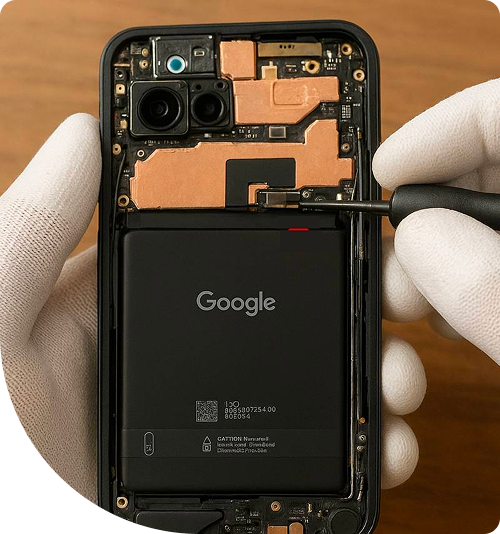
Is your Pixel giving you trouble? At The Fix in Frederick, MD, we handle Google repairs fast and hassle-free. From cracked screens to battery replacements, we use high-quality parts and provide free diagnostics so you know exactly what’s wrong before any repair begins.

Professional Google Repair Services
- Screen Repair & Replacement
- Battery Replacement
- Water Damage Repair
- Camera Repair
- Charging Port Repair
- Speaker & Microphone Repair
- Software Troubleshooting & Recovery
Professional Google Repair Services In The Fix in Walmart Frederick
Google Pixel Repair in Frederick, MD: What You're Actually Replacing (and What You're Not)
Google Pixel devices-particularly the Tensor-generation models-present nuanced replacement-versus-repair decisions in Frederick's humidity-intensive Mid-Atlantic environment where thermal regulation challenges and adhesive-dependent design vulnerabilities compound more rapidly than in stable climates. Professionals working along the I-270 corridor and residents throughout Frederick neighborhoods report Pixel device failures tied directly to the region's 40-70% relative humidity cycling and seasonal temperature extremes. The Monocacy River valley's moisture signature creates specific degradation patterns in Tensor chip thermal regulation, PMIC rail failure initiation, and back glass adhesion integrity that require diagnostic clarity before pursuing replacement.
When Pixel devices show thermal throttling, charging failures, or display issues, the decision between repair and replacement depends entirely on understanding what has actually failed. Our assessment at Google Pixel repair in Frederick, MD begins by measuring Tensor chip operating temperatures under load, evaluating PMIC rail voltage stability, examining OLED panel delamination status at adhesive interfaces, and testing fingerprint sensor optical recalibration requirements after screen repair. Tensor thermal regulation depends on efficient heat transfer from processor die to thermal spreaders and cooling solutions, but Frederick's climate introduces variables that accelerate the failure timeline. Back glass, bonded to the frame through pressure-sensitive adhesive, experiences accelerated delamination through humidity-enabled adhesive breakdown and thermal cycling stress.
The Replacement Reflex
Most Frederick Pixel users assume that devices showing performance degradation, thermal throttling, or display issues warrant replacement. This assumption drives upgrade cycles, but diagnostic assessment frequently reveals that targeted repair restores functionality at a fraction of replacement cost. Thermal throttling-where the processor reduces clock speed to manage heat-appears as application lag and reduced gaming/video performance. Many users perceive this as hardware failure or software corruption, triggering replacement consideration. In reality, the Tensor processor is protecting itself through firmware-controlled thermal management. The underlying cause may be degraded thermal paste, dust clogging the cooling structure, or PMIC rail voltage degradation creating inefficient processor operation. Fingerprint sensor failures don't necessarily require device replacement. The fingerprint sensor uses optical scanning beneath the display, and display replacement-even when done correctly-may require recalibration of the optical sensor against the new display's optical properties. Users unaware of this recalibration requirement perceive the sensor as permanently failed when it actually needs software calibration.
Back glass delamination presents a replacement trigger point that deserves closer diagnostic examination. The back glass on Pixel devices bonds to the aluminum frame through structural adhesive, creating a seamless design. However, the adhesive-typically acrylic-based pressure-sensitive formula-degrades through humidity absorption and thermal cycling stress. In Frederick's climate, where thermal cycling occurs weekly and humidity remains elevated year-round, adhesive degradation becomes evident within 18-24 months of heavy outdoor use. The glass begins separating from the frame at corners or edges, creating visible gaps or flex that users perceive as structural failure. However, the device's functional integrity may remain intact; the display, sensors, and processor operate normally despite the cosmetic delamination. Replacement decisions should account for the actual functional impact versus cosmetic appearance. OLED panel delamination at the adhesive layer between the display panel and protective cover glass represents a more serious condition. Moisture ingress between panel layers causes pixel degradation. However, not all pixel discoloration indicates panel failure; some may be repairable through screen replacement with proper optical layer adhesive application.
What's Actually Broken
Determining what has failed in a Pixel device requires distinguishing between cosmetic degradation, functional loss, and device-integrity compromise. Tensor thermal regulation failures manifest as consistent thermal throttling under normal gaming loads, indicating either thermal paste degradation or PMIC rail voltage instability. We measure processor temperature under controlled load conditions and compare against baseline specifications; excessive temperature rise indicates thermal interface failure. PMIC rail failure presents more subtly. The power management IC supplies stable voltage to the Tensor processor core, cache, and memory subsystems. When PMIC regulation accuracy degrades-from thermal stress or component aging-processor voltage becomes unstable. This creates intermittent performance issues, occasional kernel panic events, or progressive performance loss that users attribute to software corruption. Measurement of PMIC output rail voltage under load reveals whether regulation is stable or degraded.
Back glass adhesion failure occurs progressively. Early-stage delamination at frame corners or edges may eventually stabilize, not progressing further if environmental conditions remain constant. Mid-stage delamination where glass flexes visibly against the frame creates structural concern, but internal components may remain protected by the intact display assembly. Advanced delamination where glass is loose enough to separate completely creates genuine risk of water ingress and internal damage. Assessment requires visual examination, pressure testing of adhesive bond integrity at specific frame locations, and evaluation of whether the back glass has already compromised internal moisture sealing. In Frederick's humid environment, even small delamination gaps risk moisture intrusion during outdoor use or heavy rain exposure.
Digitizer flex cable micro-tear failures appear as unresponsive screen sections or touch input ghosts (phantom touches). The digitizer flex cable-a thin ribbon carrying touch sensor signals from screen edge to processor-runs near the display edge and flexes slightly during thermal cycling and mechanical stress. Micro-tears in the copper traces within the flex cable cause intermittent touch failures. These failures don't render the device completely non-functional; touch often works in some screen regions while failing in others. Replacement of the display assembly (which includes the integrated digitizer) restores full touch responsiveness. However, users sometimes replace the entire device when screen replacement would solve the problem at lower cost.
The Restoration
Pixel device repair options depend on the specific failure mode and functional impact. Thermal throttling from degraded thermal paste responds well to thermal interface replacement-applying fresh thermal compound to the Tensor processor, improving heat transfer and stabilizing operating temperature. This solution costs far less than device replacement and provides 2-3 additional years of normal operation. PMIC rail voltage instability may respond to firmware calibration procedures that recalibrate the processor voltage monitoring circuits, but if component-level degradation has occurred, PMIC replacement may be necessary. Back glass delamination repair requires removing and re-adhesive-bonding the glass using structural adhesive compatible with the device design. This approach works well for early-stage delamination but becomes difficult if moisture has already ingressed between layers.
At The Fix in Walmart Frederick, we assess your Pixel device diagnostically: measuring Tensor thermal performance, evaluating PMIC rail stability, testing back glass adhesion integrity, and examining display optical integrity. Rather than recommending device replacement, we identify what has actually failed-thermal paste, adhesive, digitizer flex cable, or PMIC circuitry-and present repair options that restore functionality. Frederick's climate accelerates Pixel degradation compared to other regions, making early diagnostic assessment valuable for extending device lifespan.
Field Notes
When is back glass delamination a repair versus replacement issue?
Early-stage delamination at corners that hasn't progressed and hasn't admitted moisture can be re-adhesive-bonded. Advanced delamination where glass is loose and moisture has entered between frame layers typically requires device replacement. Diagnostic assessment determines whether the adhesive can be salvaged.
Does thermal throttling mean my Processor is failing?
No. The processor is protecting itself through firmware-controlled speed reduction. The underlying cause is usually degraded thermal paste, blocked cooling pathways, or PMIC voltage instability-all repairable issues. Thermal paste replacement often eliminates throttling without device replacement.
Why does my fingerprint sensor fail after screen replacement?
The optical fingerprint sensor requires calibration against the specific display's optical properties. Display replacement without sensor recalibration leaves the sensor responding to the old display's characteristics. Recalibration procedure-available through settings or technician tools-restores functionality without hardware replacement.
Other Locations Near By You
The Fix in Clarksburg Premium Outlets
22705 Clarksburg Rd, Clarksburg, MD 20871, USA
The Fix in Westfield Wheaton
11160 Veirs Mill Rd, Wheaton, MD 20902
The Fix in Walmart Landover Hills
6210 Annapolis Rd, Landover Hills, MD 20784, United States
The Fix in Walmart Laurel
3549 Russett Green E, Laurel, MD 20724, United States
The Fix in The Mall in Columbia
10300 Little Patuxent Pkwy #1708, Columbia, MD 21044, United States
The Fix in Towson Town Center
825 Dulaney Valley Rd, Towson, MD 21204, United States
The Fix in Westfield Montgomery
7101 Democracy Blvd #212B, Bethesda, MD 20817, United States
Your local repair experts for every device
From iPhones to gaming laptops, The Fix in Frederick, MD is your one-stop shop for device repair. Quick turnarounds, affordable prices, and local experts you can trust
Phone Cases
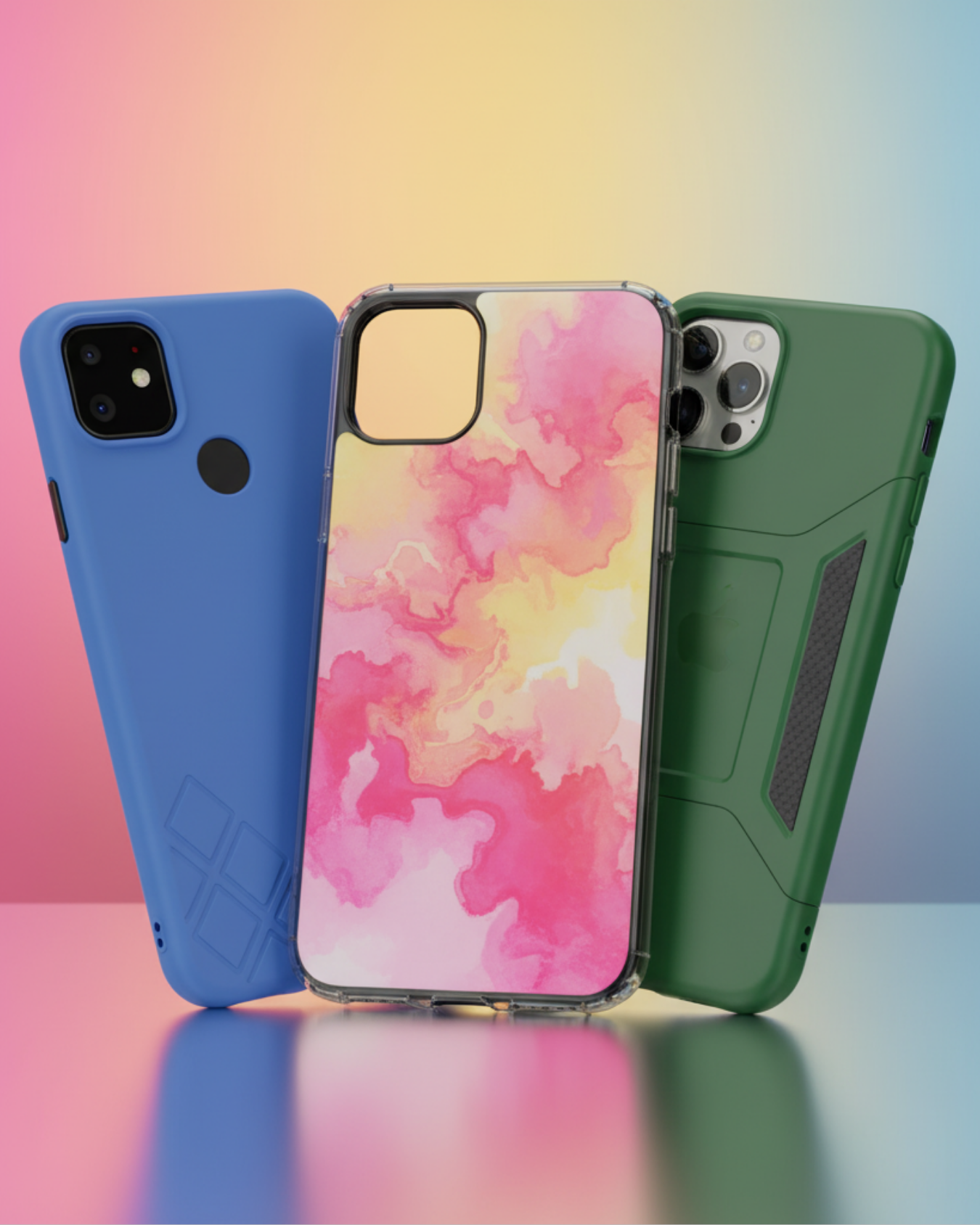
Protect your device in style! At The Fix in Frederick, MD, we offer a wide selection of durable phone cases for all major brands—sleek designs that keep your phone safe and looking great.

Nintendo Switch Repair
Cracked Nintendo Switch screen? We repair Switch devices in Frederick, MD quickly and affordably. Fast, easy, and always with high-quality parts.

MacBook Repair
For broken screens, battery replacements, or other issues, The Fix in Frederick, MD provides quick MacBook repairs with premium parts.

PlayStation Repair
Is your PlayStation giving you trouble? At The Fix in Frederick, MD, we handle PlayStation repairs with care and quality parts—no long waits, no hassle.

Tablet Repair
Whether your tablet screen is cracked or the battery won’t hold a charge, The Fix in Frederick, MD provides fast, affordable tablet repairs with free diagnostics.

Computer Repair
Need PC or desktop service in Frederick, MD? We provide free diagnostics and affordable repairs, always with high-quality parts.

Game Console Repair
From Nintendo Switch® to PlayStation and Xbox, The Fix in Frederick, MD repairs all major game consoles. Fast service and dependable results.

Laptop Repair
Got a broken laptop? The Fix In Frederick, MD, our team repairs most laptop brands and models using high-quality replacement parts.

iPad Repair
Need your iPad fixed? At The Fix in Frederick, MD, we repair cracked screens, charging issues, and more—always using high-quality parts for lasting results.

Cell Phone Repair
We repair all major phone brands in Frederick, MD. iPhone, Samsung, Google, and more—get your phone fixed fast.

iPhone Repair
Cracked screen? Battery draining too fast? Our team in Frederick, MD repairs iPhones with precision and high-quality parts to make your device feel new again.

Samsung Repair
Whether it’s a Galaxy screen replacement or a charging issue, The Fix in Frederick, MD offers fast and reliable Samsung repairs.

Xbox Repair
Xbox not working properly? Our team in Frederick, MD offers quick, reliable Xbox repairs with free diagnostics and high-quality replacement parts.


Trusted repair solution for mobile phones, tablets, gaming consoles, and computer systems. We provide fast, reliable, and affordable repair services to get your devices back in perfect working condition.
The Fix is an independent repair service provider and is not affiliated with, sponsored by, or endorsed by Apple Inc., Samsung Electronics, Google LLC, or any other device manufacturer. We use high-quality compatible replacement parts unless explicitly stated. All trademarks are property of their respective owners.


© Copyright The Fix Solutions All rights reserved 2026.
Design by Deepcoder