





Tablet Repair in The Fix in Walmart Frederick
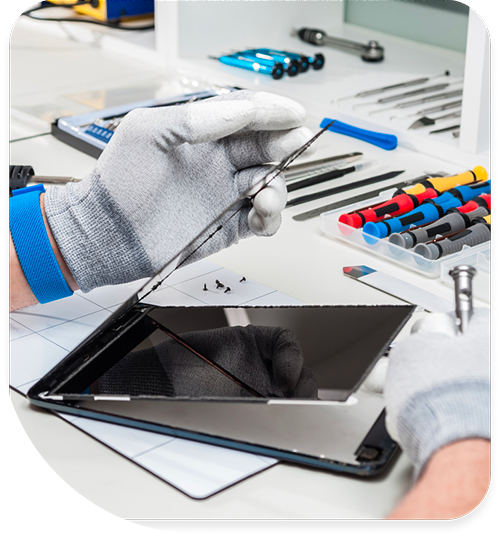
Cracked screen or charging issues slowing you down? At The Fix in Frederick, MD, we repair all major tablet brands, including Samsung, Lenovo, Huawei, and more. With free diagnostics and high-quality parts, we make it easy to get your tablet working like new.

Professional Tablet Repair Services
- Screen Repair & Replacement
- Battery Replacement
- Water Damage Repair
- Charging Port Repair
- Camera Repair
- Speaker & Microphone Repair
- Software Troubleshooting & Recovery
Professional Tablet Repair Services In The Fix in Walmart Frederick
Before Frederick's Climate Makes It Worse: Tablet Repair
Tablet devices-across iPad, Android, and Windows platforms-experience accelerated component degradation in Frederick's humidity-intensive environment, where the Monocacy River valley's moisture signature and seasonal thunderstorm exposure compound failure timelines beyond typical usage patterns. Students at Hood College and Frederick Community College, along with professionals traveling the I-270 and US-15 corridors, report tablet failures tied directly to the region's 40-70% relative humidity cycling and thermal stress from rapid environmental temperature transitions. Diagnostics reveal that digitizer OCA lamination separation, LCD backlight MOSFET failure, charging port micro-fracture, battery swelling, and touch IC chip failure accumulate simultaneously in tablets exposed to Frederick's specific climate conditions.
Understanding why tablets fail in Frederick requires recognizing how display architecture vulnerabilities interact with environmental moisture and thermal cycling patterns. When users bring tablets showing display responsiveness loss, dim backlight, charging failures, or physical swelling to Tablet repair in Frederick, MD, our assessment begins with visual examination of lamination integrity, backlight brightness measurement, charging port contact resistance evaluation, and internal component condition assessment. The digitizer-the touch-responsive layer laminated atop the display using optical clarity adhesive (OCA)-separates progressively as the adhesive absorbs moisture and loses cohesive strength. LCD backlight MOSFETs (metal-oxide-semiconductor field-effect transistors) that regulate backlight LED power degrade under thermal stress. Charging port micro-fractures initiate through USB insertion force cycling on solder joints already stressed by humidity corrosion.
The Damage Clock
Tablet component degradation in Frederick begins invisibly, with environmental moisture initiating changes that remain dormant until specific triggers accelerate failure. The digitizer OCA adhesive begins absorbing atmospheric moisture immediately upon manufacture and deployment. In Frederick's 50-70% humidity environment, absorption occurs 40-50% faster than in dry climates. The adhesive strength declines gradually; digitizers bonded three years earlier typically show adhesive degradation evidence even if physical lamination remains intact. OCA delamination initiates at laminate edges where moisture ingress begins, progressing toward the center. Early-stage delamination appears as air bubbles or cloudiness at the display perimeter, detectable only under magnification or side-lighting. Mid-stage delamination creates visible optical distortion and reduces touch sensitivity in affected regions. LCD backlight MOSFET degradation follows a parallel timeline, accelerated by thermal cycling. The MOSFET-a semiconductor switch that controls current flow to backlight LEDs-operates under thermal stress whenever the tablet generates significant heat (during video playback, gaming, or intensive computational tasks). Frederick's summer ambient conditions (75-85+ degrees) combined with device internal heat generation creates MOSFET junction temperatures regularly exceeding design operating ranges.
Battery cell swelling occurs through multiple pathways in humid, thermally stressed environments. Lithium-ion cells degrade when over-discharged to zero volts-a condition occurring when tablets are stored uncharged for extended periods or when battery management circuits fail. In Frederick where humidity enables corrosion on battery management circuit traces, voltage sensing failures create conditions where the battery discharges fully without management intervention. Swelling results from electrolyte breakdown producing gas pressure inside the sealed cell. Battery management systems should prevent deep discharge, but humidity-accelerated corrosion undermines this protection. Charging port micro-fractures initiate through cyclic insertion stress on solder joints already compromised by humidity corrosion. The solder joints connecting the USB-C connector pads to the tablet's main logic board undergo micro-cracking as insertion forces create shear stress. Corrosion from Frederick's moisture-heavy air initiates electrochemical processes that weaken solder joint metallurgical integrity. Once micro-fractures begin, repeated charging cycles propagate the fractures until electrical contact fails completely. Touch IC chip failure-the integrated circuit that processes digitizer capacitive touch signals-degrades through combination of thermal stress and moisture ingress. Corrosion on circuit traces around the touch IC creates localized electrical pathway degradation.
The Cascade
Digitizer OCA lamination separation creates cascading secondary damage when the adhesive fails completely. Moisture ingress between laminated layers contaminates the display surface, creating dust, salt residue, or fungal growth that appears as persistent marks or cloudiness on the screen. Once the laminate separates fully, the digitizer may shift position relative to the display, creating touch registration offset where the touch input location doesn't align with the visual cursor. This offset is invisible to users but causes severe usability degradation. Separation also allows dust and moisture to reach the LCD pixel layer itself, potentially causing dead pixels or line artifacts. LCD backlight MOSFET failure cascades because the backlight typically contains multiple LED strings, each with its own control MOSFET. Failure of one MOSFET may disable its string while others remain functional, creating uneven brightness patterns. As additional MOSFETs degrade, brightness decreases progressively until the display becomes too dim for practical use.
Battery swelling creates mechanical pressure inside the tablet chassis, potentially warping the frame or cracking internal components if swelling is severe. Swelling may compress internal ribbon cables connecting the display to logic board, causing intermittent display failures. In extreme cases, battery rupture can occur, creating electrical hazard and potentially exposing nearby components to electrolyte contact. Users who notice physical swelling but continue using the device risk further damage. Charging port micro-fractures that progress to complete failure prevent the device from charging, creating operational deadlock-the battery discharges completely, and no charging path exists to restore function. If the device has also experienced battery management circuit corrosion, deep discharge becomes inevitable. Touch IC chip failure cascades through the touch system architecture: as the IC degrades, first intermittent touch losses occur, then increasing numbers of phantom touch events appear, finally progressing to complete touch unresponsiveness.
Frame thermal expansion stress creates a distinct failure cascade. Tablets contain multiple material types-aluminum or plastic frame, glass display, adhesive layers, and semiconductor components-each with different thermal expansion coefficients. During thermal cycling, these materials expand and contract at different rates, creating mechanical stress at interfaces. Frame edges crack as expansion forces exceed adhesive strength holding component assemblies together. Stress cracking typically begins at sharp frame corners or areas with material discontinuities. Once frame structural integrity is compromised, secondary failures follow: flexing during use creates pressure on internal components, adhesive bonds stressed by cyclic flexing fail, and ribbon cable connections become loose.
The Intervention Window
Intervening in tablet degradation during the early-stage window prevents cascading failures that compound repair complexity. Digitizer OCA delamination detected through visual inspection at the laminate perimeter can be halted through complete laminate replacement before moisture ingress reaches the LCD pixel layer. However, if delamination has progressed to the display surface or if liquid contamination is visible, the LCD itself may require replacement. Early-stage LCD backlight dimming from MOSFET degradation can be addressed through backlight LED string replacement if only one or two strings have failed, restoring full brightness without display panel replacement. However, if multiple MOSFETs have degraded, the entire backlight circuit requires servicing. Battery swelling detected in early stages-before frame warping or component compression occurs-can be addressed through battery replacement, restoring normal device function. Charging port micro-fractures can be addressed through port replacement if fracturing is localized to the solder joints. However, if the PCB itself is damaged or micro-fractures extend beyond the immediate port area, logic board repair becomes necessary.
Tablets operating in Frederick's humidity and thermal cycling environment experience accelerated degradation compared to other climates. Our assessment at The Fix in Walmart Frederick, begins with visual inspection for digitizer delamination, backlight brightness measurement, charging port contact evaluation, battery physical condition assessment, and touch system responsiveness testing. We measure degradation extent and determine whether preventive intervention-laminate replacement, backlight service, port repair, battery replacement-remains possible, or whether cascading failures require comprehensive display or logic board service.
Field Notes
What causes digitizer delamination in Frederick?
The OCA adhesive bonding the digitizer layer to the display absorbs atmospheric moisture, losing cohesive strength. Frederick's 50-70% humidity accelerates this process 40-50% faster than dry climates. Delamination initiates at the display perimeter and progresses inward as adhesive failure continues.
Is battery swelling dangerous?
Yes. Swelling creates mechanical pressure inside the tablet, potentially warping the frame or compressing internal components. Continued use risks further damage or, in extreme cases, battery rupture. Devices showing physical swelling should be powered off and serviced immediately to prevent secondary damage.
Can charging port failure be repaired?
If micro-fractures are localized to the solder joints connecting the USB-C connector to the main board, port replacement restores charging capability. However, if the PCB itself is damaged or fractures extend to power distribution traces, logic board repair becomes necessary. Diagnostics determine the scope of damage.
Other Locations Near By You
The Fix in Clarksburg Premium Outlets
22705 Clarksburg Rd, Clarksburg, MD 20871, USA
The Fix in Westfield Wheaton
11160 Veirs Mill Rd, Wheaton, MD 20902
The Fix in Walmart Landover Hills
6210 Annapolis Rd, Landover Hills, MD 20784, United States
The Fix in Walmart Laurel
3549 Russett Green E, Laurel, MD 20724, United States
The Fix in The Mall in Columbia
10300 Little Patuxent Pkwy #1708, Columbia, MD 21044, United States
The Fix in Towson Town Center
825 Dulaney Valley Rd, Towson, MD 21204, United States
The Fix in Westfield Montgomery
7101 Democracy Blvd #212B, Bethesda, MD 20817, United States
Your local repair experts for every device
From iPhones to gaming laptops, The Fix in Frederick, MD is your one-stop shop for device repair. Quick turnarounds, affordable prices, and local experts you can trust
Phone Cases
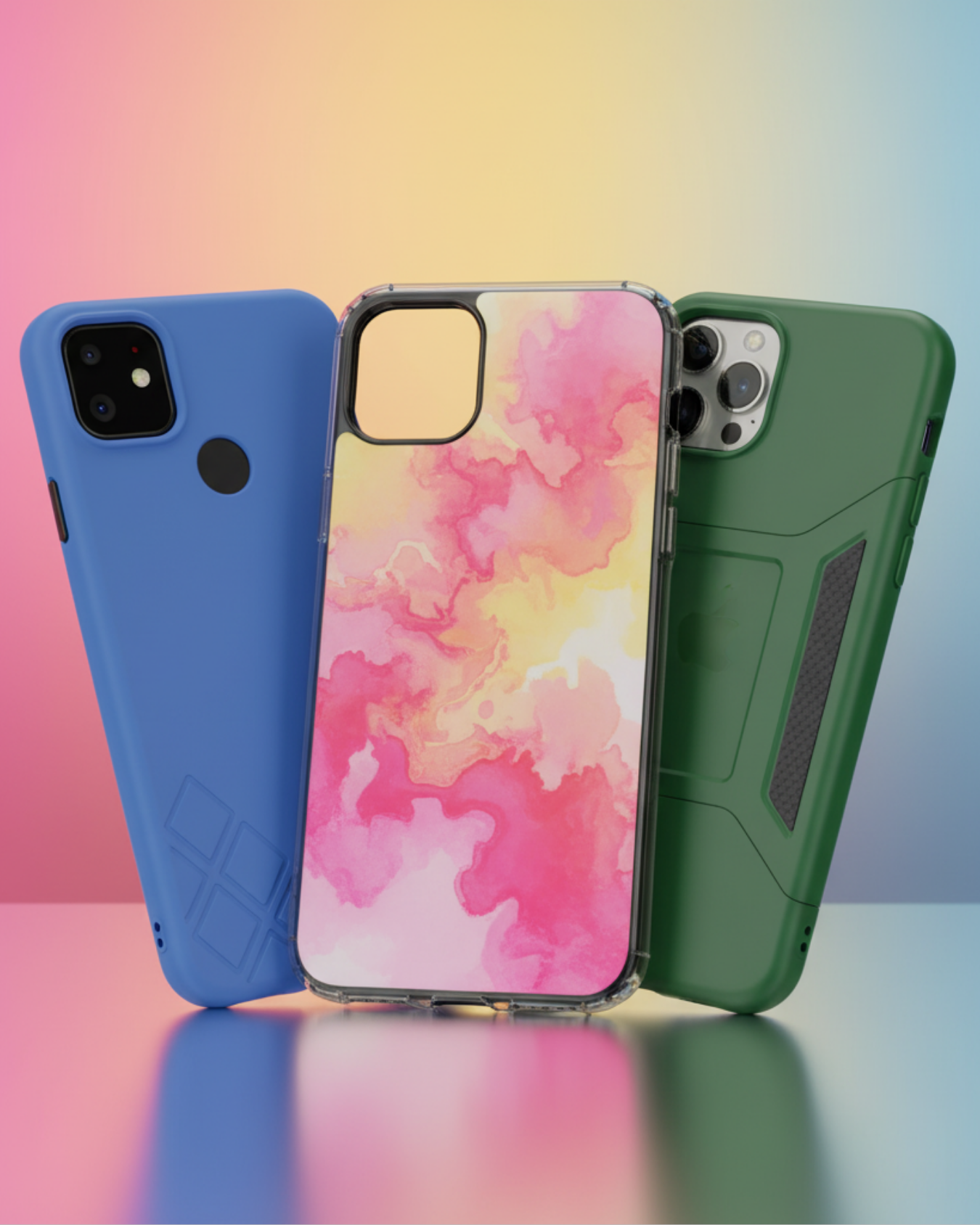
Protect your device in style! At The Fix in Frederick, MD, we offer a wide selection of durable phone cases for all major brands—sleek designs that keep your phone safe and looking great.

Nintendo Switch Repair
Cracked Nintendo Switch screen? We repair Switch devices in Frederick, MD quickly and affordably. Fast, easy, and always with high-quality parts.

MacBook Repair
For broken screens, battery replacements, or other issues, The Fix in Frederick, MD provides quick MacBook repairs with premium parts.

PlayStation Repair
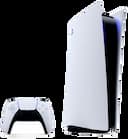
Is your PlayStation giving you trouble? At The Fix in Frederick, MD, we handle PlayStation repairs with care and quality parts—no long waits, no hassle.
Google Repair
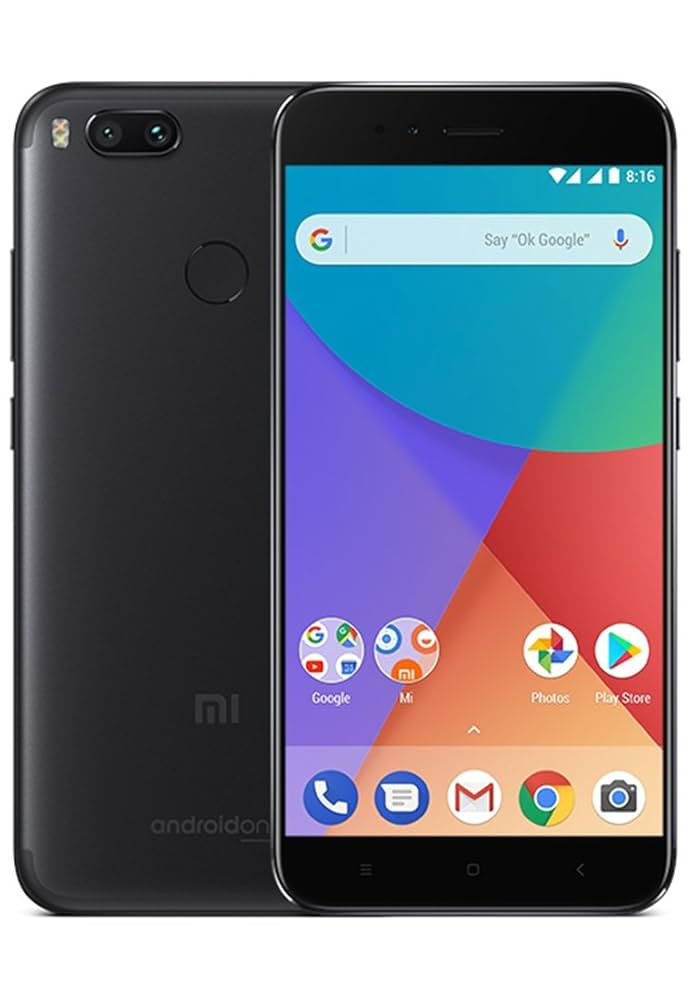
Need your Google Pixel fixed? At The Fix in Frederick, MD, we repair cracked screens, charging issues, and more—always using high-quality parts for lasting results.

Computer Repair
Need PC or desktop service in Frederick, MD? We provide free diagnostics and affordable repairs, always with high-quality parts.

Game Console Repair
From Nintendo Switch® to PlayStation and Xbox, The Fix in Frederick, MD repairs all major game consoles. Fast service and dependable results.

Laptop Repair
Got a broken laptop? The Fix In Frederick, MD, our team repairs most laptop brands and models using high-quality replacement parts.

iPad Repair
Need your iPad fixed? At The Fix in Frederick, MD, we repair cracked screens, charging issues, and more—always using high-quality parts for lasting results.

Cell Phone Repair
We repair all major phone brands in Frederick, MD. iPhone, Samsung, Google, and more—get your phone fixed fast.

iPhone Repair
Cracked screen? Battery draining too fast? Our team in Frederick, MD repairs iPhones with precision and high-quality parts to make your device feel new again.

Samsung Repair
Whether it’s a Galaxy screen replacement or a charging issue, The Fix in Frederick, MD offers fast and reliable Samsung repairs.

Xbox Repair
Xbox not working properly? Our team in Frederick, MD offers quick, reliable Xbox repairs with free diagnostics and high-quality replacement parts.


Trusted repair solution for mobile phones, tablets, gaming consoles, and computer systems. We provide fast, reliable, and affordable repair services to get your devices back in perfect working condition.
The Fix is an independent repair service provider and is not affiliated with, sponsored by, or endorsed by Apple Inc., Samsung Electronics, Google LLC, or any other device manufacturer. We use high-quality compatible replacement parts unless explicitly stated. All trademarks are property of their respective owners.


© Copyright The Fix Solutions All rights reserved 2026.
Design by Deepcoder