




Cell Phone Repair in The Fix in Walmart Frederick
Broken phone? No problem. At The Fix in Frederick, MD, we repair all major cell phone brands—from iPhone and Samsung to Google and more. With free diagnostics and high-quality parts, we make it easy to get your phone working like new.

Professional Cell Phone Repair Services
- Screen Repair & Replacement
- Battery Replacement
- Water Damage Repair
- Camera Repair
- Charging Port Repair
- Speaker & Microphone Repair
- Software Troubleshooting & Recovery
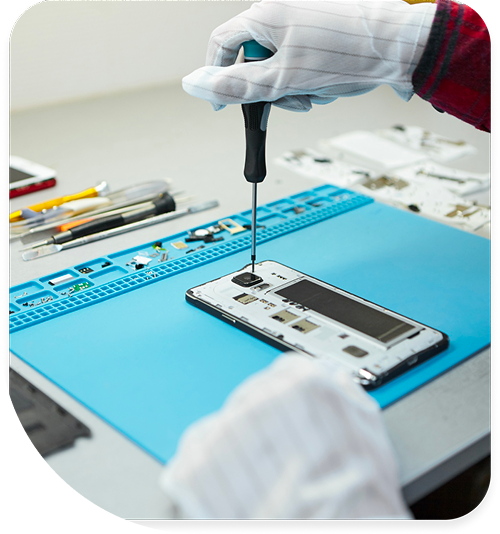
Professional Cell Phone Repair Services In The Fix in Walmart Frederick
Cell Phone Repair in Frederick, MD: Why the First Symptom Matters
Cell phone failures in Frederick develop along predictable progression patterns where early symptoms provide critical diagnostic information. When a phone exhibits one specific failure symptom, the technical root cause often cascades to additional failures if left unaddressed. OLED panel pressure crack propagation might start as a barely-visible line at impact site but progressively spreads through the display as continued thermal cycling and mechanical stress drive the fracture deeper into the organic layers. USB-C port bent pin detection failure might start as intermittent charging but cascade to complete power delivery failure. Understanding these progression patterns guides both diagnosis and intervention timing. The thermally demanding environment of Frederick—with spring thunderstorm electrical transients, humidity swings from 40% to 85%+, and temperature extremes—accelerates failure cascade progression.
First symptoms matter because they signal which component failure chain is progressing. Addressing the early symptom prevents cascade to secondary failures that would require substantially more complex intervention. When you recognize early indicators of Cell Phone repair in Frederick, MD display, power delivery, or sensor failures, connecting with diagnostic professionals who understand failure progression chains can prevent minor issues from developing into major repairs.
The Damage Clock
OLED panel pressure crack propagation begins microscopically at the impact site. OLED displays use organic light-emitting materials sandwiched between electrodes—these materials are remarkably brittle. When mechanical impact energy concentrates at a single point, the glass cover and underlying OLED layer experience compressive stress at the impact site and tensile stress in a ring around the impact. If the impact is severe enough to crack the glass, the OLED materials beneath experience the same stress distribution. Tiny micro-fractures initiate in the organic material layer, invisible to casual inspection. Temperature cycling during normal device use applies thermal expansion stress to the cracked region. The glass expands and contracts at a different rate than the underlying substrate, introducing shear stress that propagates the micro-fracture deeper into the OLED layer. Each thermal cycle advances the crack propagation slightly. Within weeks, a micro-fracture at the impact site extends across portions of the OLED layer, causing permanent damage to the light-emitting properties in the affected area. The display shows discoloration or dark lines corresponding to the crack path. USB-C port bent pin detection failure follows a similarly gradual progression. The USB-C standard uses 24 pins arranged in a specific geometric pattern. Each pin serves a dedicated function—power delivery, ground connections, signal lines for data transfer, detection pins that identify accessory type. Inserting a connector at even a slightly off-angle can bend pins, most commonly the detection pins that identify whether a power adapter, data cable, or accessory is connected.
Bent detection pins send incorrect identification signals to the power management IC. The PMIC receives the wrong accessory type identification, applying inappropriate power profiles. If the phone thinks a data cable is connected when a high-power charger is actually plugged in, the PMIC limits charging current below what the charger can deliver. The phone charges slowly despite using a high-power adapter. Initial symptoms appear as reduced charging speed. Over time, the bent pin may fracture entirely, losing electrical continuity. The detection signal disappears completely, and the PMIC cannot identify the accessory. Charging fails entirely. Microphone acoustic mesh clogging from pocket lint accumulation represents another gradual failure. The microphone element itself is extremely sensitive to protect against acoustic signals from ambient noise. To keep dust and pocket lint from directly contacting the microphone diaphragm, a mesh screen filters the acoustic environment. Over weeks and months, lint accumulates in this mesh. Acoustic energy loses intensity as it passes through the clogged mesh, reducing the signal reaching the microphone capsule. Call audio from the user's side becomes progressively quieter. The microphone still functions, detecting acoustic signals, but the accumulated lint acts as an acoustic filter reducing sensitivity. Proximity sensor IR emitter misalignment post-screen swap occurs when technicians replace a cracked display without properly reseating the proximity sensor. The proximity sensor uses an infrared emitter and detector to sense when a user's face approaches the phone during calls, automatically powering down the display to conserve battery and prevent accidental screen touches. The emitter and detector must be precisely aligned.
The Cascade
OLED crack propagation cascades to light emission failure once the crack penetrates the organic layer extensively. Light emission becomes visibly distorted in the affected area—colors may wash out, show color shifts toward red or blue, or appear completely dark depending on which layers the crack has penetrated. If the crack propagates to the electrode layers, short circuits may develop between electrodes. These shorts cause localized current surges that generate heat, potentially triggering display protective shutdown circuits. The cascade from a minor pressure crack to display non-functionality occurs over weeks as thermal cycling repeatedly stresses the crack. USB-C bent pin failures cascade to power delivery system instability. When power delivery detection fails, the PMIC cannot establish proper charging parameters. Charging current may be insufficient, or if the misidentification causes the PMIC to apply charging current intended for a different voltage/current profile, damaging current may flow. Battery protection circuits trigger, shutting down charging to prevent battery damage. The phone cannot charge despite being connected to power. This cascades to battery deep discharge if the user is unaware the device is no longer charging—the battery discharges completely, then struggles to accept charge once reconnected. Microphone clogging cascades to deteriorated call quality and eventual detection of call failure. Once lint accumulation becomes severe, acoustic signal strength falls below the noise floor. The microphone stops reliably detecting speech. Calls become one-way conversations where the recipient hears silence from the user's end. The phone appears to have a non-functional microphone, when in fact the mesh requires cleaning.
Proximity sensor misalignment cascades to user interface annoyance and potential hardware damage. If the IR emitter and detector are misaligned, the sensor provides incorrect distance readings. During calls, the sensor might fail to detect face proximity, leaving the display powered on while the phone is pressed against the user's ear. Cheek taps and face pressure activate screen touches unintentionally. Call experience deteriorates significantly. If the emitter and detector are severely misaligned—say reversed in position—the emitter and detector might be measuring distance to different reference points. The sensor provides inconsistent, unreliable proximity readings. Some calls power down the display correctly, others fail to respond to proximity at all. This inconsistent behavior creates unreliable user experience and can cause accidental touch events activating features during calls. Motherboard flex PCB micro-fracture from high-G drop represents another cascading failure. The main circuit board in modern phones is not rigid—portions flex to accommodate mechanical stress from drops and impacts. The main motherboard connects to daughter boards through flex PCBs that route signal lines and power connections while accommodating mechanical flexure. High-impact drops subject flex PCBs to stress exceeding their design tolerance. Micro-fractures initiate in the copper traces, creating intermittent electrical connections. Initial symptoms are sporadic—the phone loses cellular connection intermittently, or wireless connectivity cuts out unpredictably. The micro-fractures are still small enough that they make intermittent contact as the device flexes during normal handling. Over time, the fractures propagate through continued mechanical stress. Eventually, complete trace separation occurs and signal continuity is lost entirely. Cellular or wireless functions become non-functional.
Battery ESR rise causing thermal runaway risk represents perhaps the most critical cascade. Internal Series Resistance (ESR) in battery cells increases as the cell degrades. Elevated ESR means the cell cannot deliver current efficiently—electrical energy converts to heat rather than useful current. Under load, the cell temperature rises. High internal temperature accelerates chemical degradation, further increasing ESR. This creates a feedback loop where increasing ESR causes increasing temperature, which accelerates ESR increase. The cascade toward thermal runaway—uncontrolled temperature rise causing chemical decomposition and potential fire—progresses slowly but relentlessly once ESR elevation begins. Charge management IC (PMIC) failure cascades to complete power management system malfunction. The PMIC regulates all the voltage rails supplying the processor, memory, display, and peripheral circuits. If the PMIC fails, it cannot establish these voltage rails properly. The processor receives unstable voltage, causing unpredictable behavior, random reboots, or complete failure to boot. The phone appears non-functional even though the processor itself may be intact. Cascade from initial PMIC malfunction to complete power delivery failure can happen rapidly once the primary failure initiation occurs.
The Intervention Window
The critical intervention window for most cell phone failures is measured in days or weeks, not months. OLED cracks must be addressed before crack propagation reaches the electrode layer—once electrode damage occurs, pixel functionality cannot be restored. Repairing the crack at the microline stage (visible as a thin line) preserves the surrounding pixel array. Waiting until the crack has propagated across a large region results in permanent pixel damage. USB-C bent pin failures must be addressed before pin fracture occurs. Bent but intact pins can sometimes be straightened through specialized techniques and protective contact cleaning. Once a pin fractures completely, the contact must be replaced. Microphone mesh clogging allows for simple cleaning intervention if identified early. Attempting to clean severely clogged mesh risks pushing lint deeper into the microphone chamber. Once lint penetrates past the mesh screen, microphone replacement becomes necessary. Proximity sensor misalignment should be corrected immediately after display replacement, before the user experiences call quality issues from the misaligned sensor.
Intervention precision depends on understanding cascade progression timing. Early identification of first symptoms guides intervention before secondary cascading failures occur. Display cracks require careful assessment of penetration depth—does the crack affect only the glass layer or has it penetrated the OLED organic layer? USB-C port assessment requires electrical testing to verify pin integrity versus pin fracture. Power delivery pathway testing distinguishes between bent pins and fractured contacts. Microphone acoustic testing identifies whether clogging is reversible through cleaning or requires replacement. The Fix in Walmart Frederick provides the diagnostic capability to assess early-stage failure symptoms and identify intervention windows before cascading failures multiply repair complexity and cost.
Field Notes
I see a thin line on my OLED display after dropping my phone. Is it just cosmetic?
A visible line indicates that the glass and underlying OLED layer have already cracked. While appearing superficially minor, the crack will propagate through thermal cycling and continued mechanical stress. The propagation proceeds over weeks as temperature changes subject the cracked region to expansion stress. Addressing the crack quickly by having the display replaced preserves surrounding pixels. Delaying repair allows the crack to extend further into the OLED layer, potentially affecting larger screen regions.
My phone charges very slowly even with a high-power charger. What could cause this?
Slow charging despite high-power charging equipment indicates that the phone's power management system is limiting charging current. USB-C port bent detection pins frequently cause this issue—the power management chip receives incorrect accessory identification and applies conservative charging parameters. Testing with multiple chargers determines whether the issue is charger-specific (suggesting the port is correctly identifying different charge profiles) or charger-independent (suggesting PMIC or battery issues).
People say they can't hear me during calls. The microphone seems broken.
Microphone clogging from lint accumulation is far more common than actual microphone failure. The acoustic mesh screen filtering dust accumulates lint over months of pocket carrying. Acoustic signals weaken as they pass through the clogged mesh, reducing microphone sensitivity. Professional cleaning of the acoustic mesh often restores microphone function completely. Only after cleaning fails to restore function would microphone replacement become necessary.
Other Locations Near By You
The Fix in Clarksburg Premium Outlets
22705 Clarksburg Rd, Clarksburg, MD 20871, USA
The Fix in Westfield Wheaton
11160 Veirs Mill Rd, Wheaton, MD 20902
The Fix in Walmart Landover Hills
6210 Annapolis Rd, Landover Hills, MD 20784, United States
The Fix in Walmart Laurel
3549 Russett Green E, Laurel, MD 20724, United States
The Fix in The Mall in Columbia
10300 Little Patuxent Pkwy #1708, Columbia, MD 21044, United States
The Fix in Towson Town Center
825 Dulaney Valley Rd, Towson, MD 21204, United States
The Fix in Westfield Montgomery
7101 Democracy Blvd #212B, Bethesda, MD 20817, United States
Your local repair experts for every device
From iPhones to gaming laptops, The Fix in Frederick, MD is your one-stop shop for device repair. Quick turnarounds, affordable prices, and local experts you can trust
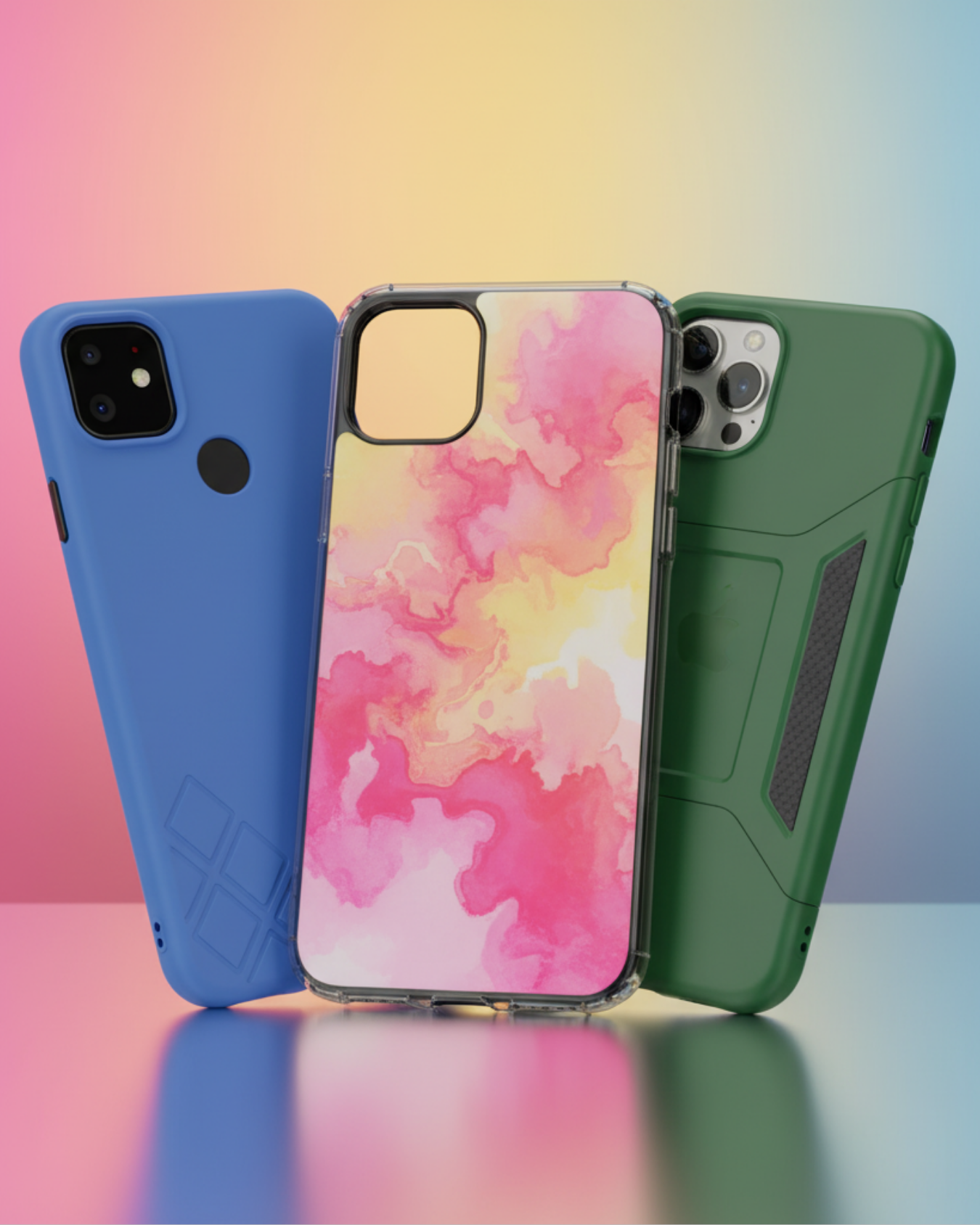
Phone Cases
Protect your device in style! At The Fix in Frederick, MD, we offer a wide selection of durable phone cases for all major brands—sleek designs that keep your phone safe and looking great.

Nintendo Switch Repair
Cracked Nintendo Switch screen? We repair Switch devices in Frederick, MD quickly and affordably. Fast, easy, and always with high-quality parts.

MacBook Repair
For broken screens, battery replacements, or other issues, The Fix in Frederick, MD provides quick MacBook repairs with premium parts.

PlayStation Repair
Is your PlayStation giving you trouble? At The Fix in Frederick, MD, we handle PlayStation repairs with care and quality parts—no long waits, no hassle.
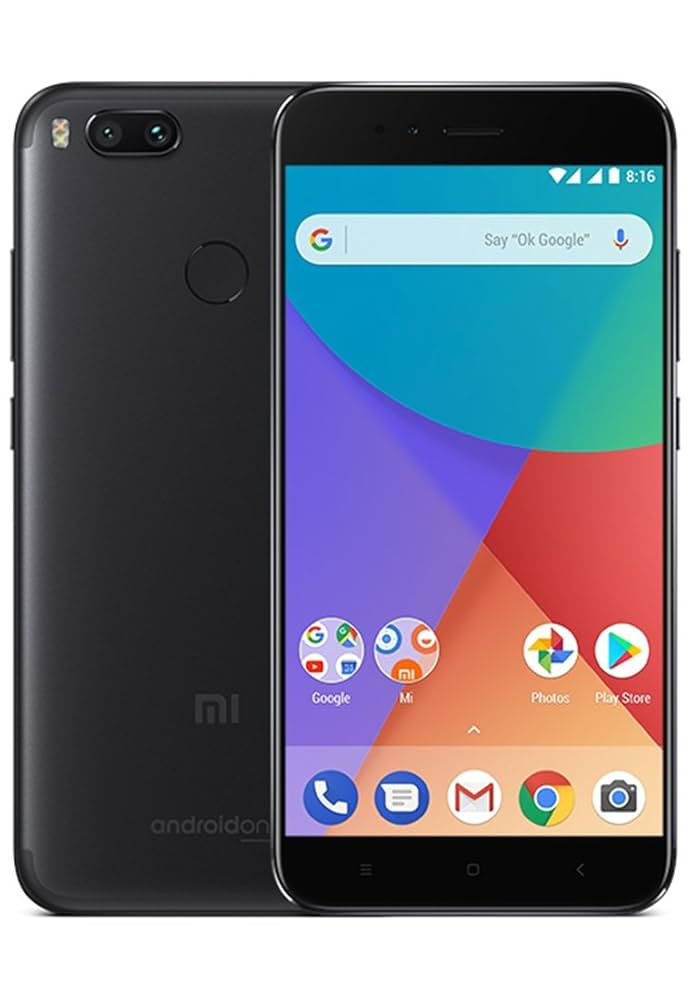
Google Repair
Need your Google Pixel fixed? At The Fix in Frederick, MD, we repair cracked screens, charging issues, and more—always using high-quality parts for lasting results.

Tablet Repair
Whether your tablet screen is cracked or the battery won’t hold a charge, The Fix in Frederick, MD provides fast, affordable tablet repairs with free diagnostics.

Computer Repair
Need PC or desktop service in Frederick, MD? We provide free diagnostics and affordable repairs, always with high-quality parts.

Game Console Repair
From Nintendo Switch® to PlayStation and Xbox, The Fix in Frederick, MD repairs all major game consoles. Fast service and dependable results.

Laptop Repair
Got a broken laptop? The Fix In Frederick, MD, our team repairs most laptop brands and models using high-quality replacement parts.

iPad Repair
Need your iPad fixed? At The Fix in Frederick, MD, we repair cracked screens, charging issues, and more—always using high-quality parts for lasting results.

iPhone Repair
Cracked screen? Battery draining too fast? Our team in Frederick, MD repairs iPhones with precision and high-quality parts to make your device feel new again.

Samsung Repair
Whether it’s a Galaxy screen replacement or a charging issue, The Fix in Frederick, MD offers fast and reliable Samsung repairs.

Xbox Repair
Xbox not working properly? Our team in Frederick, MD offers quick, reliable Xbox repairs with free diagnostics and high-quality replacement parts.


Trusted repair solution for mobile phones, tablets, gaming consoles, and computer systems. We provide fast, reliable, and affordable repair services to get your devices back in perfect working condition.
The Fix is an independent repair service provider and is not affiliated with, sponsored by, or endorsed by Apple Inc., Samsung Electronics, Google LLC, or any other device manufacturer. We use high-quality compatible replacement parts unless explicitly stated. All trademarks are property of their respective owners.


© Copyright The Fix Solutions All rights reserved 2026.
Design by Deepcoder