




Computer Repair in The Fix in Queens Center
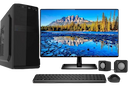
Slow or broken desktop? At The Fix in New York, NY, we repair all types of computers—from gaming rigs to office PCs. With free diagnostics and high-quality parts, we make it easy to get your computer running like new.

Professional Computer Repair Services
- Hardware Diagnostics & Upgrades
- Screen & Monitor Repair
- Power Supply & Charging Issues
- Motherboard & CPU Repair
- Hard Drive / SSD Replacement & Data Recovery
- Overheating & Fan Repair
- Software Troubleshooting & Recovery
Professional Computer Repair Services In The Fix in Queens Center
Need Computer Repair in Queens, NY 11373?
Your desktop computer crashes during a critical financial analysis near Roosevelt Avenue, displaying cryptic blue screen error codes before rebooting into an endless loop. Or perhaps your workstation simply refuses to power on after yesterday's thunderstorm, leaving project files inaccessible and deadlines approaching. Desktop computers present unique troubleshooting challenges—modular components mean failures could exist in the power supply, RAM, storage drives, graphics card, or motherboard, with symptoms often overlapping across different hardware faults. When you need professional Computer Repair in Queens, NY, accurate diagnosis separates a simple RAM replacement from complex motherboard repair, determining both service timeline and data recoverability.
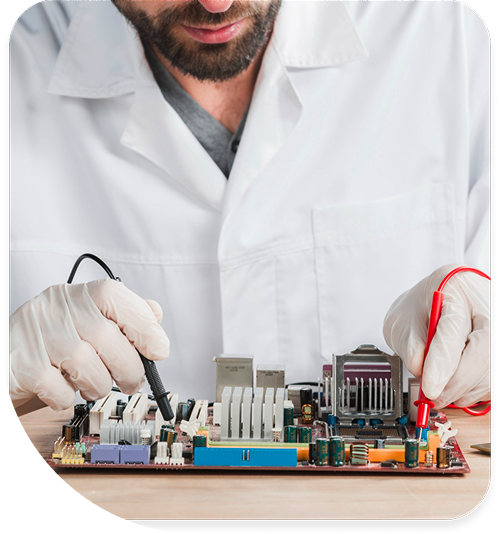
Desktop systems offer repairability advantages over laptops through standardized components and accessible internal architecture. However, this modularity creates diagnostic complexity—boot failures might stem from six different components, each requiring systematic testing. At 90-15 Queens Blvd, Queens, NY 11373, we approach desktop repair as methodical troubleshooting, testing components individually, measuring voltage rails, and using known-good hardware eliminating variables until we identify precise failure points.
What do different Blue Screen stop codes indicate?
The Blue Screen of Death isn't a single error—it's Windows' critical failure response including specific stop codes identifying fault types. Codes like MEMORY_MANAGEMENT point directly to RAM issues, while SYSTEM_SERVICE_EXCEPTION suggests driver conflicts or corrupted system files. Understanding these codes prevents shotgun approaches where technicians replace multiple components hoping to fix problems.
CRITICAL_PROCESS_DIED indicates Windows kernel lost vital background processes, typically from storage drive corruption where the OS cannot read necessary files. We see this frequently with aging mechanical hard drives developing bad sectors—read heads encounter damaged areas and fail retrieving system files, crashing Windows. Testing involves running drive diagnostics mapping entire disk surfaces, identifying whether bad sectors remain within acceptable limits or indicate impending drive failure requiring replacement.
WHEA_UNCORRECTABLE_ERROR represents hardware-level faults the system cannot recover from—often CPU overheating, memory errors, or power delivery problems on motherboards. This code requires comprehensive hardware testing. We stress-test CPUs under sustained load while monitoring temperatures with precision sensors. If temperatures exceed thermal limits, we inspect cooling systems: verify fans operate, check heatsinks maintain proper contact with CPUs, and confirm thermal paste hasn't dried into ineffective chalky residue.
Memory testing for MEMORY_MANAGEMENT errors involves running specialized diagnostics writing test patterns to every RAM address and verifying correct data returns. Single bit errors in billions of memory operations indicate failing DRAM chips. We test each memory stick individually in different motherboard slots determining whether RAM modules themselves failed or specific motherboard slots developed contact issues.
Why won't computers complete POST or show display output?
Power-On Self-Test failures present as no video output, diagnostic beeps from motherboard speakers, or LED codes on motherboards. POST occurs before Windows even attempts loading—motherboards verify essential components like CPU, RAM, and graphics capability exist and function at basic levels. Failure at this stage indicates fundamental hardware problems near Jackson Heights setups.
No beep and no display often points to power supply inadequacy or motherboard failure. We test PSU voltage rails—12V, 5V, and 3.3V outputs—under load conditions simulating actual system operation. PSUs may measure correct voltages when unloaded but collapse when CPUs draw full power during boot. We also check 24-pin ATX connectors for proper seating and inspect for bulging capacitors on motherboards' VRM sections converting 12V input to lower voltages CPUs require.
One long beep followed by multiple short beeps typically indicates graphics card failure or improperly seated RAM. We reseat graphics cards in PCIe slots, verify supplemental power connectors attach firmly, and test with known-functional cards determining if installed GPUs failed or motherboards' PCIe slots developed issues. For RAM-related POST failures, we test each stick individually in each slot, creating compatibility matrices identifying whether specific RAM modules failed or certain motherboard slots lost functionality.
Motherboard diagnostic LEDs provide component-specific failure indication. Modern boards include lights labeled CPU, DRAM, VGA, and BOOT that illuminate sequentially during POST. If sequences stop at DRAM with that LED remaining lit, we know memory initialization failed. This targeted information dramatically accelerates diagnosis compared to generic "computer won't start" scenarios.
How does dust accumulation cause system instability?
Desktop computers inhale massive air volumes through intake fans cooling components. This airflow inevitably carries environmental dust—particularly abundant near Grand Central Parkway traffic or in homes where seasonal pollen adds to particulate load. Over months, dust accumulates on heatsink fins, fan blades, and intake filters, creating insulating blankets preventing heat dissipation.
Dust acts as thermal insulation, trapping heat near components that must remain cool for reliable function. CPUs and GPUs operating beyond thermal limits trigger protective throttling—automatically reducing clock speeds lowering heat generation. You experience this as unexpected performance degradation: video editing that previously completed quickly now takes twice as long, or games that ran smoothly now stutter during complex scenes near Forest Hills gaming sessions.
Dust also creates electrical hazards. Conductive dust bridging circuit traces on motherboards or graphics cards can create short circuits or voltage leaks destabilizing power delivery. We've diagnosed mysterious crashes and reboots resolving completely after thorough cleaning removed conductive contamination from critical board areas. Dust on fan bearings increases friction, making fans noisy or causing complete fan failure eliminating active cooling entirely.
Comprehensive cleaning involves complete disassembly. We remove each component, use compressed air blowing dust from heatsink fins, clean fan blades with isopropyl alcohol, and vacuum accumulated dust from case interiors. For CPUs and high-end graphics cards, we remove coolers entirely, clean away degraded thermal paste, and apply fresh compound restoring efficient thermal transfer between chips and heatsinks.
What causes random freezes and application crashes?
System instability manifesting as random freezes, application crashes, or corrupted files points toward RAM degradation or storage drive failures. These components handle constant read-write operations—RAM stores temporary data CPUs actively process, while storage drives hold permanent files. Errors in either subsystem create cascade failures affecting system stability throughout Queens neighborhoods.
RAM failures produce subtle symptoms initially. Single bit errors in billions of operations might corrupt single files or crash one application. As more memory cells fail, instability increases—you notice frequent application crashes, especially with memory-intensive programs like photo editors. Crashes seem random because they depend on whether software happens to use corrupted memory addresses during operation.
We diagnose RAM issues using memory testing utilities stress-testing every address over multiple passes. These tests write specific patterns—alternating ones and zeros, walking bit patterns, random data—then verify each byte returns correctly. Failures indicate specific addresses where data corruption occurs. Testing overnight through multiple passes catches intermittent errors brief tests miss, particularly temperature-dependent failures only appearing after extended operation heats RAM chips.
Storage drive degradation follows predictable patterns. Mechanical hard drives develop bad sectors—physical damage to magnetic surfaces preventing data reading or writing. SSDs experience similar issues as NAND flash cells wear out through program-erase cycles. Symptoms include files that won't open, system file corruption requiring Windows repair, or complete inability to boot as operating systems become corrupted by storage errors.
Why do graphics cards fail or produce artifacts?
Graphics card failures present as screen artifacts—random colored pixels, geometric corruption, or complete loss of display output. These symptoms indicate GPU chip failures, VRAM errors, or inadequate cooling allowing graphics processors to overheat. Gaming and professional workloads near Long Island Expressway offices utilizing GPU acceleration push graphics cards to thermal limits, accelerating component wear.
Artifacting patterns help diagnose specific failures. Random colored pixels scattered across screens suggest VRAM corruption—individual memory chips on graphics cards developing bit errors similar to system RAM failures. Geometric corruption where textures appear mangled or polygons stretch incorrectly indicates GPU processing errors, often temperature-related.
We test graphics cards using stress utilities pushing GPUs to maximum utilization while monitoring temperatures and checking for visual artifacts. If artifacting appears only under load and disappears when cards cool, thermal issues are confirmed. We inspect coolers for dust buildup blocking airflow, verify fans spin at appropriate speeds, and check whether thermal paste between GPUs and heatsinks maintained good contact.
For confirmed GPU failures where cleaning and thermal paste replacement don't resolve issues, graphics card replacement becomes necessary. Modern graphics cards represent significant investments, making repair attempts worthwhile when possible. However, GPU chip failures—where processors themselves developed internal faults—aren't economically repairable, requiring complete card replacement.
Professional Desktop Diagnostics
Desktop computer problems demand methodical diagnosis before repair attempts. Blue screens could indicate RAM, storage, drivers, or hardware conflicts. Boot failures might stem from PSUs, motherboards, RAM, or graphics cards. Performance issues could involve thermal throttling, failing storage, or insufficient RAM. Visit us at 90-15 Queens Blvd, Queens, NY 11373, where we'll systematically test each component, identify specific failures, and explain repair options based on concrete diagnostic results.
Frequently Asked Questions
Q: Can you diagnose my computer if it won't turn on at all in Queens, NY?
A: Yes, we test power delivery systematically starting from wall outlets through PSUs to motherboard power rails. We verify PSUs output correct voltages, check motherboard power button functionality, and test for short circuits preventing boot. Most no-power scenarios involve PSUs, motherboard power delivery, or power button switch failures—all diagnosable through voltage measurements and component testing.
Q: My computer runs slowly despite seeming fine—what could cause this near Queens Boulevard?
A: Multiple factors cause performance degradation. Failing storage drives with bad sectors create long read delays as drives repeatedly attempt accessing damaged areas. Thermal throttling from dust accumulation reduces CPU clock speeds preventing overheating. Insufficient RAM forces excessive paging to hard drives, dramatically slowing operations. We run comprehensive diagnostics measuring actual performance metrics versus expected specifications identifying bottlenecks.
Q: Is data recovery possible if my hard drive makes clicking noises?
A: Clicking indicates mechanical failure—typically read/write heads failing to position correctly over platters. This is critical failure requiring immediate power-off preventing further damage. Data recovery from mechanically failed drives requires specialized equipment in cleanroom environments extracting data before complete failure. We assess whether recovery attempts are viable or if drive damage already destroyed data accessibility.
Other Locations Near By You
The Fix in Green Acres Mall
2034 Green Acres Mall Valley Stream, NY 11581
The Fix in Kings Plaza
5100 Kings Plaza Ste 2213, Brooklyn, NY 11234, United States
Your local repair experts for every device
From iPhones to gaming laptops, The Fix in New York, NY is your one-stop shop for device repair. Quick turnarounds, affordable prices, and local experts you can trust

Phone Cases
Protect your device in style! At The Fix in New York, NY, we offer a wide selection of durable phone cases for all major brands—sleek designs that keep your phone safe and looking great.

Nintendo Switch Repair
Cracked Nintendo Switch screen? We repair Switch devices in New York, NY quickly and affordably. Fast, easy, and always with high-quality parts.

MacBook Repair
For broken screens, battery replacements, or other issues, The Fix in New York, NY provides quick MacBook repairs with premium parts.

PlayStation Repair
Is your PlayStation giving you trouble? At The Fix in New York, NY, we handle PlayStation repairs with care and quality parts—no long waits, no hassle.
Google Repair
Need your Google Pixel fixed? At The Fix in New York, NY, we repair cracked screens, charging issues, and more—always using high-quality parts for lasting results.

Tablet Repair
Whether your tablet screen is cracked or the battery won’t hold a charge, The Fix in New York, NY provides fast, affordable tablet repairs with free diagnostics.

Game Console Repair
From Nintendo Switch® to PlayStation and Xbox, The Fix in New York, NY repairs all major game consoles. Fast service and dependable results.

Laptop Repair
Got a broken laptop? The Fix In New York, NY, our team repairs most laptop brands and models using high-quality replacement parts.

iPad Repair
Need your iPad fixed? At The Fix in New York, NY, we repair cracked screens, charging issues, and more—always using high-quality parts for lasting results.

Cell Phone Repair
We repair all major phone brands in New York, NY. iPhone, Samsung, Google, and more—get your phone fixed fast.

iPhone Repair
Cracked screen? Battery draining too fast? Our team in New York, NY repairs iPhones with precision and high-quality parts to make your device feel new again.

Samsung Repair
Whether it’s a Galaxy screen replacement or a charging issue, The Fix in New York, NY offers fast and reliable Samsung repairs.

Xbox Repair
Xbox not working properly? Our team in New York, NY offers quick, reliable Xbox repairs with free diagnostics and high-quality replacement parts.


Trusted repair solution for mobile phones, tablets, gaming consoles, and computer systems. We provide fast, reliable, and affordable repair services to get your devices back in perfect working condition.
The Fix is an independent repair service provider and is not affiliated with, sponsored by, or endorsed by Apple Inc., Samsung Electronics, Google LLC, or any other device manufacturer. We use high-quality compatible replacement parts unless explicitly stated. All trademarks are property of their respective owners.


© Copyright The Fix Solutions All rights reserved 2026.
Design by Deepcoder