




Game Console Repair in The Fix in Queens Center
Having trouble with your game console? At The Fix in New York, NY, we repair all major consoles—including Nintendo Switch, PlayStation, and Xbox. Whether it’s a broken screen, overheating console, or controller drift, our technicians provide fast repairs with free diagnostics and high-quality parts.

Professional Game Console Repair Services
- Nintendo Switch Repair
- PlayStation Repair
- Xbox Repair
- Controller & Stick Drift Repair
- HDMI Port Repair & Replacement
- Overheating & Fan Repair
- Disc Drive Repair
- Power Supply Repair
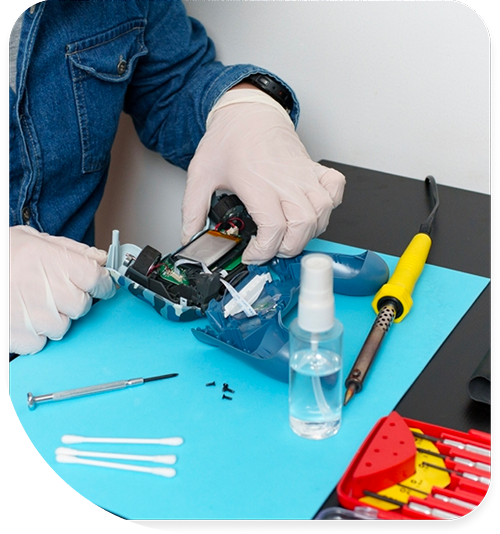
Professional Game Console Repair Services In The Fix in Queens Center
Need Game Console Repair in Queens, NY 11373?
Friday evening gaming sessions with friends across Queens suddenly halt when your console displays a black screen despite powering on—you hear the fan spinning, feel warmth from the device, but your TV shows only "No Signal" regardless of HDMI cable testing. Or perhaps your console boots successfully but shuts down minutes into gameplay with overheating warnings, making extended sessions impossible at home near Elmhurst. Gaming consoles pack substantial processing power into compact enclosures designed for entertainment centers, creating thermal challenges, HDMI signal failures, optical drive degradation, and power supply issues. When you need professional Game Console Repair in Queens, NY, understanding whether you're dealing with HDMI port damage, thermal management breakdowns, storage failures, or power delivery issues determines repair approach and whether your game installations remain accessible.
Modern consoles emphasize performance density—custom processors handling both computation and graphics, sophisticated cooling systems managing heat dissipation, and storage solutions for fast game loading. At 90-15 Queens Blvd, Queens, NY 11373, we approach console repair as platform-specific troubleshooting, utilizing thermal imaging, voltage testing, and component diagnostics across PlayStation, Xbox, and Nintendo Switch architectures.
Why do consoles overheat and shut down during gameplay?
Thermal shutdowns represent protective responses when internal temperatures exceed safe limits. Console processors generate substantial heat under gaming loads—the custom chips deliver processing power comparable to gaming PCs while fitting in compact entertainment center spaces near Jackson Heights. The cooling system must dissipate this thermal energy effectively or processors reach junction temperature limits triggering emergency shutdown preventing permanent silicon damage.
The thermal management chain includes multiple potential failure points. Thermal paste between processors and heatsinks transfers heat from chips to aluminum or copper fins. Over years of operation—particularly in warm Queens summers or poorly ventilated setups—this paste dries out, losing thermal conductivity. What began as efficient heat transfer becomes an insulating barrier, trapping heat at processors while heatsinks remain relatively cool.
Fan degradation compounds thermal issues. Console fans operate continuously during gaming sessions, accumulating hundreds of hours annually. Bearing wear increases friction and noise while reducing rotational speed. Dust accumulation on fan blades creates imbalance and further reduces airflow. Eventually fans struggle to move sufficient air through heatsinks, even operating at maximum RPM.
Heatsink blockage represents the most common thermal failure. Dust drawn through intake vents accumulates on heatsink fins, forming felted mats preventing air circulation. Fans spin at full speed but push air against impermeable dust barriers. We extract heatsinks completely caked with dust—zero airflow reached fins despite fans running continuously.
Comprehensive thermal service involves complete disassembly. We remove heatsink assemblies, clean away degraded thermal paste using isopropyl alcohol, and inspect actual paste condition—dried compounds appear cracked and powdery rather than smooth and viscous. We apply fresh thermal compound in proper quantity, clean heatsinks through ultrasonic processes removing compacted dust, and inspect fan bearings for wear.
What causes optical drives to fail reading game discs?
Optical drive problems manifest as "Disc Read Error" messages, extremely slow loading times, or complete failure to recognize inserted media. These symptoms stem from laser degradation, mechanical misalignment, or electronic control failures. Drives contain precision components operating within tight tolerances—laser focus must align within micrometers, spindle motors must maintain exact rotational speeds, and sled mechanisms must position optical pickups accurately along disc radii.
The laser diode represents the primary wear component. These semiconductor lasers emit specific wavelengths—650nm for DVD, 405nm for Blu-ray—at precise power levels. Over thousands of read operations during gaming sessions near Forest Hills, laser output gradually decreases. Drives' automatic gain control increases current maintaining read capability, but eventually maximum current cannot compensate for diode degradation. Read attempts fail, particularly on dual-layer discs requiring higher laser power to penetrate second data layers.
Mechanical failures involve sled assemblies moving optical pickups across disc surfaces. These assemblies ride on rails using worm gear or belt drive mechanisms. Lubrication dries over time, increasing friction and wearing drive components. Belt drives can stretch or crack preventing proper grip. Gears wear down or skip teeth causing erratic positioning where pickups cannot maintain track alignment as discs spin.
Console manufacturers implement drive pairing—optical drive controller chips store encryption keys matched to specific console motherboards. This security measure prevents drive swapping to bypass disc authentication. Simply replacing failed drives with ones from other consoles results in error messages despite functional hardware.
We diagnose optical drive issues by observing behavior during disc insertion and read attempts. Motors that spin erratically or fail indicate electronic control problems. Mechanical grinding suggests gear damage or dried lubrication. For repairable mechanical issues, we disassemble drive mechanisms, clean and lubricate moving parts, and realign components. For complete drive failures, we source replacements and perform chip-level transfers maintaining cryptographic pairing.
Why do storage drives cause loading problems and crashes?
Console storage—whether mechanical HDD or solid-state SSD—holds game installations, system software, and save data. Drive failures produce varied symptoms: excessively long load times, texture streaming issues where graphics pop in slowly, game crashes during level loads, or inability to boot consoles entirely. These symptoms trace to failing storage media unable to reliably read or write data.
Mechanical hard drives contain spinning platters coated with magnetic material. Read/write heads float nanometers above platter surfaces, detecting magnetic field variations representing stored data. Physical shock—moving consoles while drives spin, drops, or impacts near Queens Boulevard—can cause head crashes where heads contact platters, scratching magnetic surfaces. These damaged areas become unreadable bad sectors preventing system file loading.
Even without physical trauma, platters develop bad sectors through magnetic media degradation. As drives age beyond five years, magnetic domains become unstable. Data stored in affected areas corrupts or becomes unreadable. Drives' internal controllers detect bad sectors during read attempts and remap them to spare sectors reserved for this purpose. When spare sector pools deplete, data loss and system instability begin.
SSDs fail differently. NAND flash memory endures limited program-erase cycles—typically 3,000-10,000 depending on memory grade. Gaming involves substantial writes: game installations, updates, save files, and system logs. Heavy users accumulate write cycles faster than anticipated, exhausting drives' endurance ratings prematurely. As NAND cells wear out, they require higher voltages to program reliably. Eventually cells cannot hold charge, causing data retention failures.
We diagnose storage issues using built-in console diagnostics testing drive functionality. Drives showing significant sector reallocation or reporting hardware errors require replacement before complete failure destroys save data or prevents system boot. For consoles supporting upgrades, we recommend solid-state storage eliminating mechanical failure modes and dramatically improving load times.
What indicates power supply failure versus motherboard issues?
Consoles showing no response to power button presses—no LED, no fan noise, complete silence—could indicate power supply failure or motherboard damage. Distinguishing between these requires systematic testing since symptoms overlap significantly. Power supplies convert AC line voltage into regulated DC voltages consoles require, while motherboards distribute that power and manage system operation.
Xbox One uses internal power supplies built into consoles, while Xbox One S, X, and Series models use external power bricks. PlayStation consoles use internal supplies. This architectural difference affects diagnostic approach and repair complexity.
For external power brick models, we test bricks independently from consoles. Bricks should output specified DC voltage when connected to AC power. Using multimeters, we verify voltage output under no-load conditions. However, power supplies can measure correctly unloaded but fail under current draw of actual console operation. We test with load banks simulating console power requirements.
Power supplies fail through predictable component degradation. Electrolytic capacitors age through heat exposure and electrical stress, losing capacitance and increasing ESR. As capacitors degrade, voltage ripple increases and regulation suffers. Eventually capacitors fail completely, preventing power delivery. MOSFETs in switching circuits fail from electrical stress or thermal issues.
For consoles with internal power supplies, diagnosis requires accessing PSUs after disassembly. We measure voltage rails at motherboard connection points determining if PSUs output correct voltages. If voltages measure correctly but consoles don't power on, issues likely exist on motherboards—power delivery circuits, Southbridge chips, or processors themselves.
Professional Console Hardware Service
Gaming console problems demand methodical diagnosis before repairs. Overheating needs cooling system evaluation. Optical drives require mechanical versus electronic diagnosis. Storage problems need health assessment before replacement. Power issues demand PSU versus motherboard testing. Visit us at 90-15 Queens Blvd, Queens, NY 11373, where we'll systematically identify your console's specific failure and explain repair options with technical transparency.
Frequently Asked Questions
Q: Will I lose my game saves during console repair in Queens, NY?
A: Game saves store on internal storage or cloud services. We don't access save data during hardware repairs like cooling service, optical drive replacement, or HDMI fixes. However, if storage media failed requiring replacement, save recovery depends on whether you backed up to cloud services. We recommend enabling automatic cloud saves before any repair as precautionary measures.
Q: Can you fix optical drives if discs won't eject near Roosevelt Avenue?
A: Yes, disc ejection failures typically involve mechanical issues—stuck gears, belt problems, or debris blocking ejection mechanisms. We manually eject stuck discs without damage, then disassemble drives identifying mechanical failures. Gear replacement or lubrication usually restores proper ejection functionality. If drive motors failed electrically, complete drive replacement becomes necessary.
Q: My console overheats even in well-ventilated areas—what causes this?
A: Internal dust accumulation and dried thermal paste cause overheating despite external ventilation. Dust blocks heatsink fins internally where external airflow cannot reach. Thermal paste degradation prevents heat transfer from processors to heatsinks. We disassemble for internal cleaning and thermal compound inspection, resolving persistent thermal issues throughout Elmhurst and surrounding neighborhoods.
Other Locations Near By You
The Fix in Green Acres Mall
2034 Green Acres Mall Valley Stream, NY 11581
The Fix in Kings Plaza
5100 Kings Plaza Ste 2213, Brooklyn, NY 11234, United States
Your local repair experts for every device
From iPhones to gaming laptops, The Fix in New York, NY is your one-stop shop for device repair. Quick turnarounds, affordable prices, and local experts you can trust
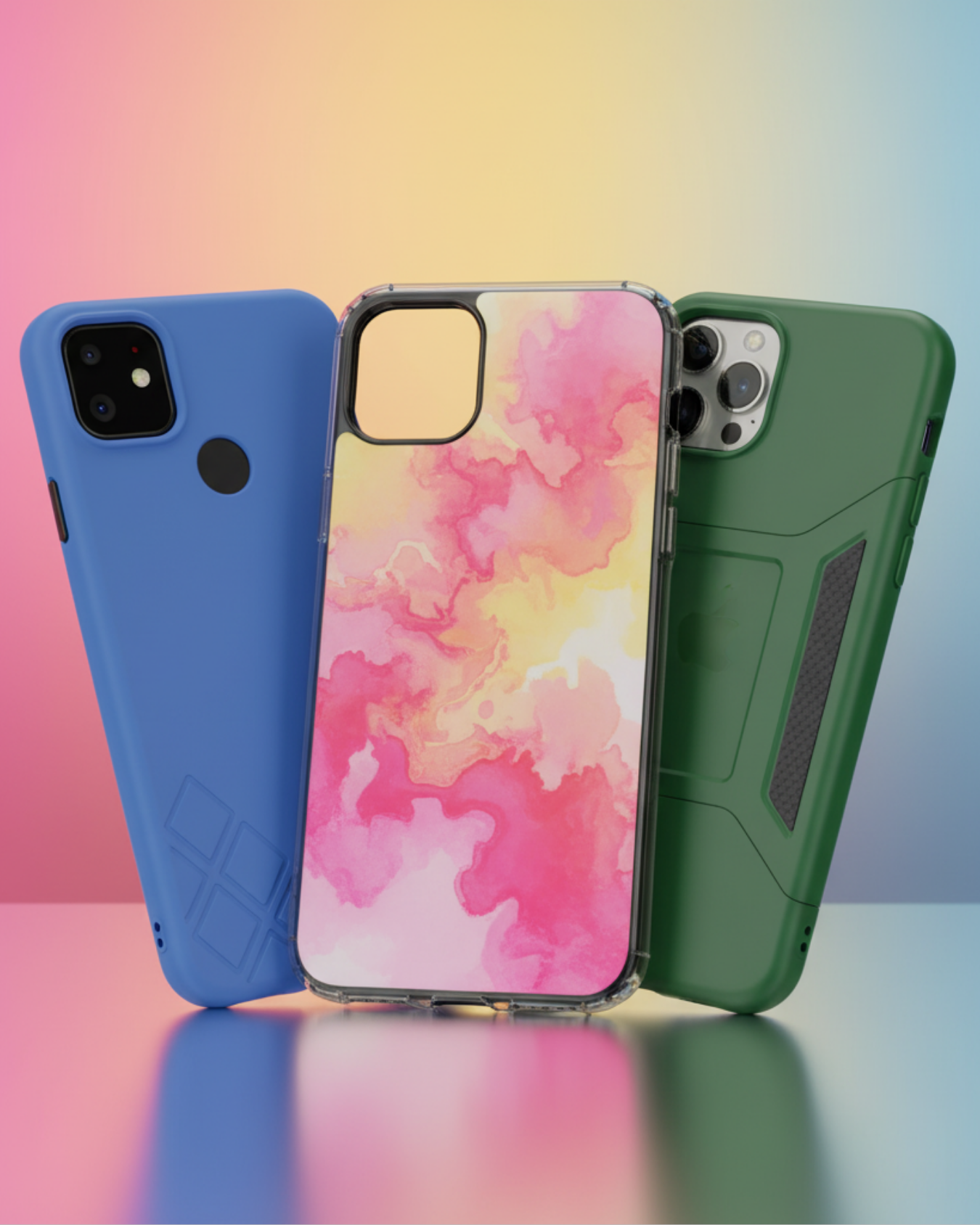
Phone Cases
Protect your device in style! At The Fix in New York, NY, we offer a wide selection of durable phone cases for all major brands—sleek designs that keep your phone safe and looking great.

Nintendo Switch Repair
Cracked Nintendo Switch screen? We repair Switch devices in New York, NY quickly and affordably. Fast, easy, and always with high-quality parts.

MacBook Repair
For broken screens, battery replacements, or other issues, The Fix in New York, NY provides quick MacBook repairs with premium parts.

PlayStation Repair
Is your PlayStation giving you trouble? At The Fix in New York, NY, we handle PlayStation repairs with care and quality parts—no long waits, no hassle.
Google Repair
Need your Google Pixel fixed? At The Fix in New York, NY, we repair cracked screens, charging issues, and more—always using high-quality parts for lasting results.

Tablet Repair
Whether your tablet screen is cracked or the battery won’t hold a charge, The Fix in New York, NY provides fast, affordable tablet repairs with free diagnostics.

Computer Repair
Need PC or desktop service in New York, NY? We provide free diagnostics and affordable repairs, always with high-quality parts.

Laptop Repair
Got a broken laptop? The Fix In New York, NY, our team repairs most laptop brands and models using high-quality replacement parts.

iPad Repair
Need your iPad fixed? At The Fix in New York, NY, we repair cracked screens, charging issues, and more—always using high-quality parts for lasting results.

Cell Phone Repair
We repair all major phone brands in New York, NY. iPhone, Samsung, Google, and more—get your phone fixed fast.

iPhone Repair
Cracked screen? Battery draining too fast? Our team in New York, NY repairs iPhones with precision and high-quality parts to make your device feel new again.

Samsung Repair
Whether it’s a Galaxy screen replacement or a charging issue, The Fix in New York, NY offers fast and reliable Samsung repairs.

Xbox Repair
Xbox not working properly? Our team in New York, NY offers quick, reliable Xbox repairs with free diagnostics and high-quality replacement parts.


Trusted repair solution for mobile phones, tablets, gaming consoles, and computer systems. We provide fast, reliable, and affordable repair services to get your devices back in perfect working condition.
The Fix is an independent repair service provider and is not affiliated with, sponsored by, or endorsed by Apple Inc., Samsung Electronics, Google LLC, or any other device manufacturer. We use high-quality compatible replacement parts unless explicitly stated. All trademarks are property of their respective owners.


© Copyright The Fix Solutions All rights reserved 2026.
Design by Deepcoder