





Tablet Repair in The Fix in Queens Center
Cracked screen or charging issues slowing you down? At The Fix in New York, NY, we repair all major tablet brands, including Samsung, Lenovo, Huawei, and more. With free diagnostics and high-quality parts, we make it easy to get your tablet working like new.

Professional Tablet Repair Services
- Screen Repair & Replacement
- Battery Replacement
- Water Damage Repair
- Charging Port Repair
- Camera Repair
- Speaker & Microphone Repair
- Software Troubleshooting & Recovery
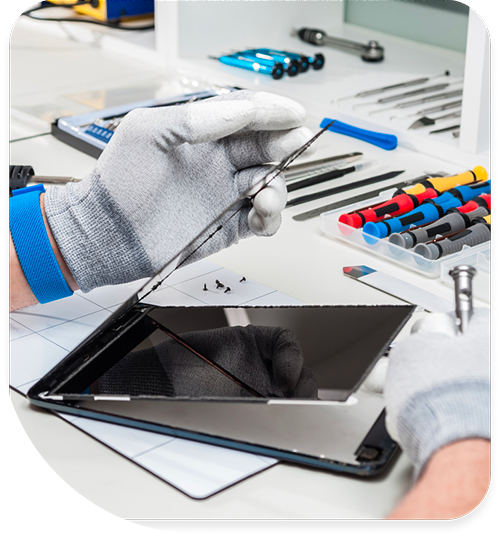
Professional Tablet Repair Services In The Fix in Queens Center
Need Tablet Repair in Queens, NY 11373?
Your tablet freezes during a client presentation near Jackson Heights, forcing an awkward restart while colleagues wait for your slides to reload. Or perhaps you notice the device no longer sits flat on your desk—a slight bulge has developed beneath the display, indicating battery swelling pushing components outward. Tablets occupy a precarious position between phones and laptops—larger screens mean greater vulnerability to flexing damage, while thin profiles sacrifice structural reinforcement for portability. When you need professional Tablet Repair in Queens, NY, understanding whether you're dealing with digitizer damage, battery swelling, charging port failures, or motherboard issues determines repair approach and data accessibility.
Modern tablets integrate components with ruthless efficiency. iPads fuse displays with industrial adhesive, Samsung Galaxy Tabs embed S Pen digitizers within screen assemblies, and Surface devices solder storage directly to logic boards. At 90-15 Queens Blvd, Queens, NY 11373, we approach tablet repair as precision device work, using controlled heating equipment, specialized prying tools, and component-level diagnostics addressing failures without causing collateral damage.
Why does only part of the touchscreen respond?
Touch functionality relies on the digitizer—a transparent sensor grid layered over or integrated into the display. This grid consists of microscopic conductive traces arranged in X-Y coordinates. When you touch the screen, your finger creates capacitance changes at intersection points the controller interprets as tap locations. Physical impact creates fractures in these traces, severing electrical pathways carrying touch data.
The fracture pattern determines symptom presentation. A vertical crack creates a "dead zone" where entire columns won't register touches—you tap icons on the left side with no response while the right side functions normally near Queens Boulevard offices. Diagonal cracks affecting multiple traces produce irregular dead zones with unpredictable boundaries. Sometimes digitizers remain physically intact but develop micro-fractures invisible to naked eyes, causing intermittent touch response or "ghost touches" where screens register inputs you never made.
Display architecture determines repair complexity. Non-laminated displays feature separate digitizer glass and LCD panels. If only the digitizer cracked while LCD shows images correctly, theoretically only touch glass needs replacement. However, this requires cleanroom conditions preventing dust infiltration between layers, and mistakes during separation often damage LCDs anyway.
Laminated displays—found in iPad Air, Pro, and premium Android tablets—fuse digitizer, LCD, and protective glass into one unit using optically clear adhesive. Any component damage requires complete assembly replacement. We source assemblies matching your tablet's specific model, ensuring compatibility with features like Apple Pencil sensitivity or Samsung S Pen pressure levels.
What causes visible screen bulging?
If your tablet's screen no longer sits flush with the frame—you notice gaps along edges or glass protrudes in the center—a swollen battery is forcing the display outward from inside. Lithium-polymer batteries degrade through normal charge cycles, with internal resistance increasing as electrochemical reactions slow. In failure scenarios, electrolyte decomposes and generates gas, inflating the battery pouch like a balloon.
Battery swelling represents serious safety concerns beyond cosmetics. The expanding cell exerts pressure on the display assembly, which can crack glass from inside or delaminate digitizer from LCD. Continued swelling may eventually rupture the battery's protective pouch, exposing reactive lithium compounds to air and moisture. While catastrophic fires remain rare, swollen batteries demand immediate attention before pressure damage spreads.
Swelling accelerates under specific conditions: storing tablets in hot vehicles during Queens summers, using incompatible chargers delivering incorrect voltage, or simply aging beyond the battery's designed service life of approximately 500 charge cycles. Tablets used for continuous video streaming or professional applications near Forest Hills accumulate cycles faster than casual users, reaching failure thresholds earlier.
Battery replacement requires complete disassembly. Batteries adhere to tablets' internal frames with strong adhesive strips or glue. We use controlled heat and specialized prying tools separating swollen cells without puncturing them—damaged batteries can vent toxic fumes or ignite. After removing the compromised battery, we clean adhesive residue and inspect frames for pressure-induced warping before installing replacements.
How does charging port damage differ between models?
Charging failures manifest similarly—slow charging, intermittent connection, or complete inability to charge—but underlying architecture varies significantly. iPads use Lightning or USB-C ports connected to logic boards via flex cables. Samsung tablets employ modular daughterboards containing charging ports, microphones, and antenna connections. Surface devices integrate charging through proprietary magnetic connectors or USB-C ports soldered directly to motherboards.
Port damage typically results from mechanical stress: forcing cables at angles, yanking cables while charging, or debris accumulation. Lightning ports contain eight pins in single rows; damage to any pin disrupts charging or data transfer. USB-C ports feature 24 pins in two rows—complex arrangements mean partial damage creates confusing symptoms like charging working but data transfer failing.
For tablets with modular charging assemblies, repair involves replacing entire daughterboards—relatively straightforward processes requiring careful flex cable routing but no soldering. For tablets with soldered ports, repair demands microsoldering expertise. We use hot air rework stations desoldering damaged ports, cleaning motherboard pads, and soldering replacements with proper pin alignment verified under microscope magnification.
Debris-related charging issues require different intervention. Compacted lint in port cavities prevents cables from fully inserting, reducing electrical contact between charging pins and cable contacts. We use microscope inspection and non-conductive tools extracting debris without damaging delicate pins.
Why do tablets experience more screen damage than phones?
Tablets' larger display dimensions create greater vulnerability to flexing forces. A phone's 6-inch screen flexes minimally when pressure applies to centers, but a tablet's 10-inch or larger display acts as a lever arm, magnifying stress at edges where glass meets frames. This explains why tablet screens often crack from corners inward—long lever arms concentrate stress at mounting points.
Thin profiles modern tablets demand exacerbate vulnerability. Reducing thickness from 8mm to 6mm significantly weakens structural rigidity. When you place tablets face-down on tables near Roosevelt Avenue and accidentally press backs, aluminum chassis flex slightly. This flexion transmits to glass, which tolerates compression poorly and fractures under induced bending moments.
Storage practices contribute to damage patterns. Tablets carried in bags alongside laptops, books, or rigid objects experience point-load pressure on screens. Unlike phones protected in pockets, tablets endure pressure from multiple angles as bag contents shift during transport through Elmhurst. Glass breaks when localized pressure exceeds fracture strength, often without owners realizing damage occurred until retrieving devices later.
We assess frame integrity during screen repair. If aluminum or magnesium chassis bent from impact, installing new displays into warped frames guarantees premature failure—glass will crack again from frame-induced stress. We use precision straightening tools restoring frame geometry within factory tolerances before display installation.
What happens when software updates cause crashes?
Tablets stuck in boot loops, displaying "Support" URLs, or crashing to recovery mode present scenarios where hardware and software faults overlap. While many assume software updates caused failures, underlying issues often involve failing storage media that software updates simply exposed. NAND flash memory degrades through write cycles—tablets used extensively for content creation or photography accumulate writes faster than casual usage patterns.
As NAND cells wear out, storage controllers mark them as bad blocks and reallocate data to reserve cells. When reserve pools deplete, tablets enter read-only modes or develop file system corruption. Software updates attempting to write new system files encounter bad blocks and fail mid-installation, leaving operating systems in inconsistent states preventing successful boots.
We distinguish between software and hardware failures through diagnostic testing. For iPads, we use specialized adapters accessing DFU mode and attempt complete system restoration. If restoration succeeds, issues were purely software-related. If restoration fails with specific error codes referencing storage hardware, NAND flash or storage controllers failed physically.
Storage hardware failures require component-level repair or complete logic board replacement. On tablets with soldered storage, we can sometimes reflow NAND chips restoring failing connections, though success depends on whether chips themselves degraded or just solder joints. If NAND cells failed, data recovery becomes extremely complex.
Professional Tablet Service
Tablet failures demand precise identification of actual damaged components. Touch problems might stem from digitizer damage, display controller failures, or logic board faults. Battery swelling needs immediate attention before pressure damage spreads. Charging issues could involve ports, flex cables, or power management chips. Visit us at 90-15 Queens Blvd, Queens, NY 11373, where we'll diagnose specific failure points and explain repair options based on component testing.
Frequently Asked Questions
Q: Will I lose data during tablet screen replacement in Queens, NY?
A: Screen replacement involves no data manipulation—we disconnect batteries, remove damaged displays, and install replacements without accessing storage. Your files, photos, and settings remain completely intact. However, if your tablet also suffers from failing storage or logic board damage, data accessibility depends on those separate hardware issues.
Q: Can you fix tablets that bent slightly from pressure near Queens Boulevard?
A: Minor chassis bending is often repairable. We use precision straightening tools and measurement equipment restoring frames to factory geometry. However, severe bending that cracked logic boards or damaged internal components may render tablets beyond economical repair. We assess structural damage during diagnostic inspection and provide honest evaluation.
Q: My tablet screen is cracked but still displays—can I keep using it?
A: While LCDs may function, cracked glass poses risks. Glass shards can cut fingers during use. Cracks allow moisture and debris infiltration that corrodes internal components over time. Continued pressure on cracked glass can propagate fractures into LCD layers, causing complete display failure. We recommend repair before crack progression causes additional damage.
Other Locations Near By You
The Fix in Green Acres Mall
2034 Green Acres Mall Valley Stream, NY 11581
The Fix in Kings Plaza
5100 Kings Plaza Ste 2213, Brooklyn, NY 11234, United States
Your local repair experts for every device
From iPhones to gaming laptops, The Fix in New York, NY is your one-stop shop for device repair. Quick turnarounds, affordable prices, and local experts you can trust
Phone Cases
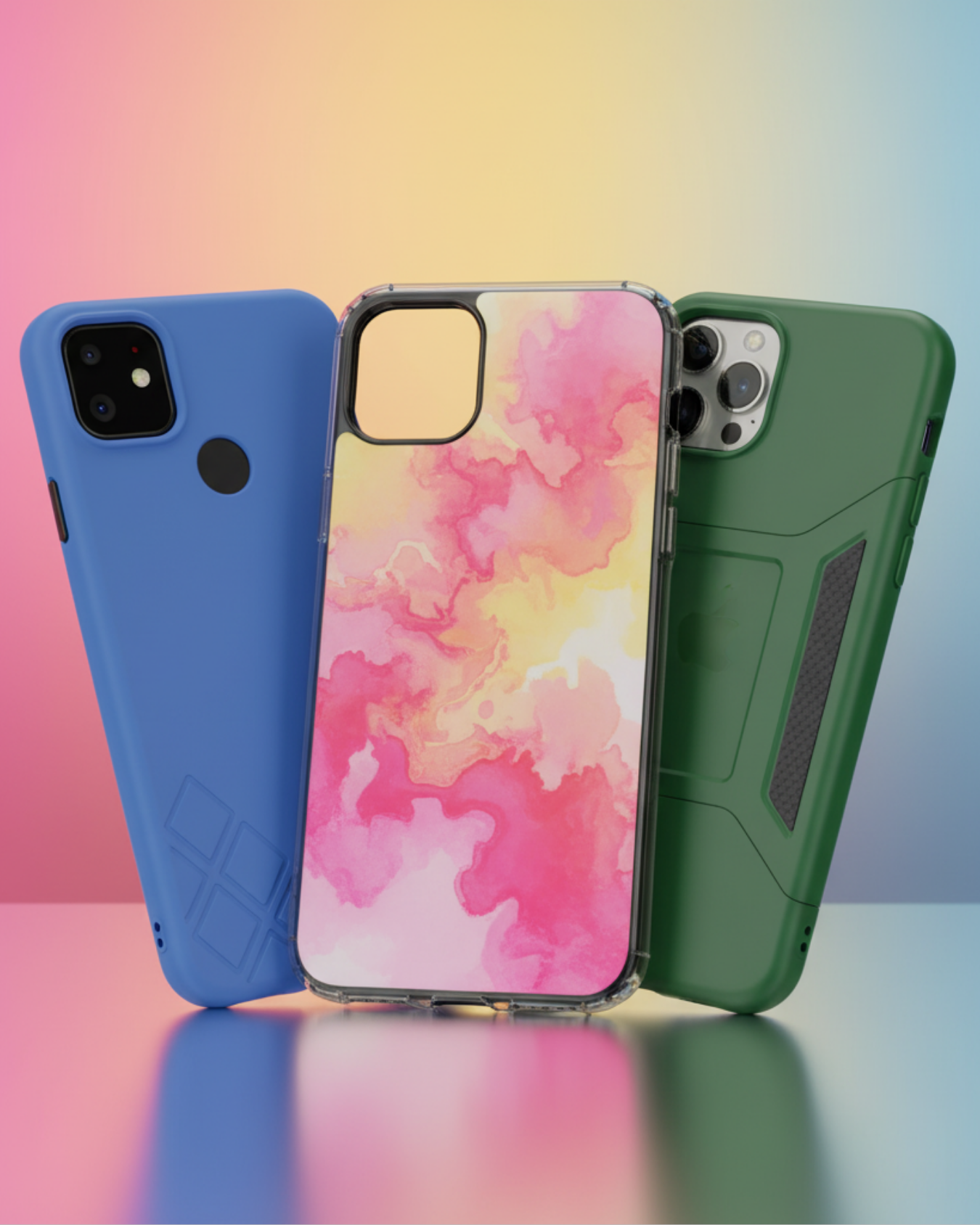
Protect your device in style! At The Fix in New York, NY, we offer a wide selection of durable phone cases for all major brands—sleek designs that keep your phone safe and looking great.

Nintendo Switch Repair
Cracked Nintendo Switch screen? We repair Switch devices in New York, NY quickly and affordably. Fast, easy, and always with high-quality parts.

MacBook Repair
For broken screens, battery replacements, or other issues, The Fix in New York, NY provides quick MacBook repairs with premium parts.

PlayStation Repair
Is your PlayStation giving you trouble? At The Fix in New York, NY, we handle PlayStation repairs with care and quality parts—no long waits, no hassle.
Google Repair
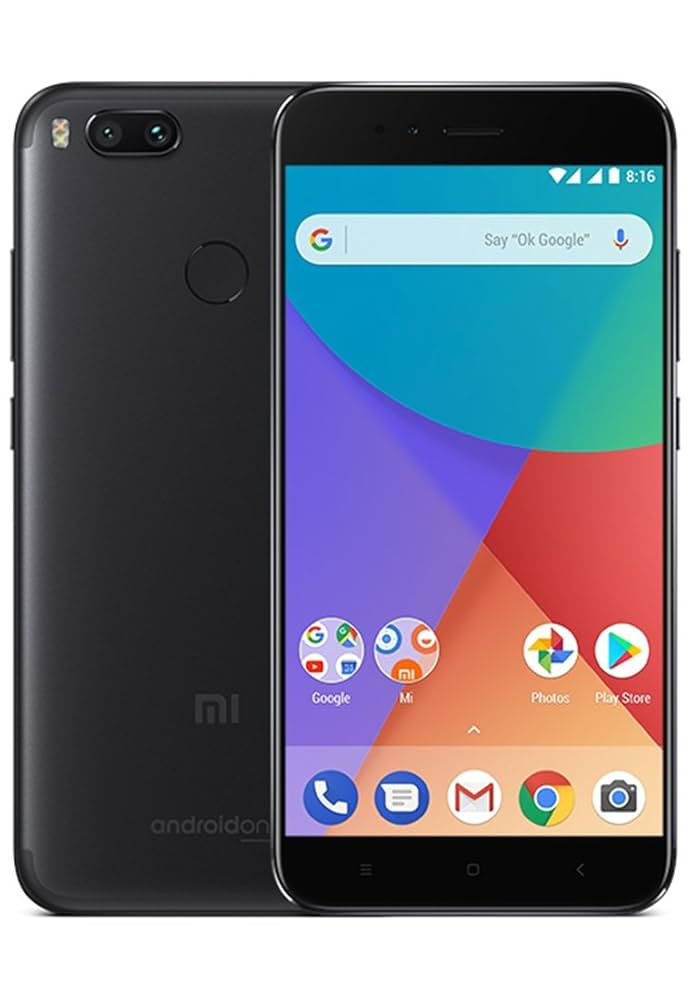
Need your Google Pixel fixed? At The Fix in New York, NY, we repair cracked screens, charging issues, and more—always using high-quality parts for lasting results.

Computer Repair
Need PC or desktop service in New York, NY? We provide free diagnostics and affordable repairs, always with high-quality parts.

Game Console Repair
From Nintendo Switch® to PlayStation and Xbox, The Fix in New York, NY repairs all major game consoles. Fast service and dependable results.

Laptop Repair
Got a broken laptop? The Fix In New York, NY, our team repairs most laptop brands and models using high-quality replacement parts.

iPad Repair
Need your iPad fixed? At The Fix in New York, NY, we repair cracked screens, charging issues, and more—always using high-quality parts for lasting results.

Cell Phone Repair
We repair all major phone brands in New York, NY. iPhone, Samsung, Google, and more—get your phone fixed fast.

iPhone Repair
Cracked screen? Battery draining too fast? Our team in New York, NY repairs iPhones with precision and high-quality parts to make your device feel new again.

Samsung Repair
Whether it’s a Galaxy screen replacement or a charging issue, The Fix in New York, NY offers fast and reliable Samsung repairs.

Xbox Repair
Xbox not working properly? Our team in New York, NY offers quick, reliable Xbox repairs with free diagnostics and high-quality replacement parts.


Trusted repair solution for mobile phones, tablets, gaming consoles, and computer systems. We provide fast, reliable, and affordable repair services to get your devices back in perfect working condition.
The Fix is an independent repair service provider and is not affiliated with, sponsored by, or endorsed by Apple Inc., Samsung Electronics, Google LLC, or any other device manufacturer. We use high-quality compatible replacement parts unless explicitly stated. All trademarks are property of their respective owners.


© Copyright The Fix Solutions All rights reserved 2026.
Design by Deepcoder