





Computer Repair in The Fix in Westfield Wheaton
Slow or broken desktop? At The Fix in Maryland, MD, we repair all types of computers—from gaming rigs to office PCs. With free diagnostics and high-quality parts, we make it easy to get your computer running like new.

Professional Computer Repair Services
- Hardware Diagnostics & Upgrades
- Screen & Monitor Repair
- Power Supply & Charging Issues
- Motherboard & CPU Repair
- Hard Drive / SSD Replacement & Data Recovery
- Overheating & Fan Repair
- Software Troubleshooting & Recovery
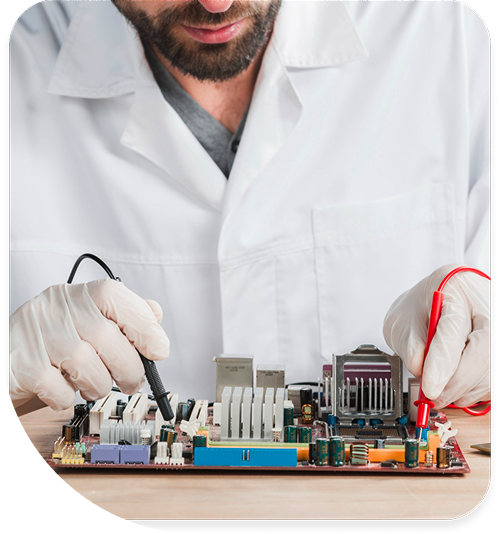
Professional Computer Repair Services In The Fix in Westfield Wheaton
Desktop PC Performance Degradation Has Identifiable Causes in Wheaton, MD
"My computer is slow" ranks as the most common complaint we hear, yet this symptom has dozens of potential causes. Insufficient RAM causes one type of slowness—applications take time to load but run normally once open. Failing mechanical hard drives cause different slowness—everything responds sluggishly including basic file operations. Malware causes yet another pattern—performance varies unpredictably with sudden CPU spikes.
Proper diagnosis requires systematic testing isolating specific bottlenecks. Task Manager reveals whether RAM exhaustion, CPU throttling, or disk I/O limitations cause performance problems. Hardware diagnostics identify failing components. This methodical approach prevents wasting money replacing components that aren't actually causing problems.
At Computer Repair in Wheaton, MD, we diagnose desktop computer issues at 11160 Veirs Mill Rd, Wheaton, MD 20902. Our technicians understand PC architecture and apply systematic diagnosis before recommending solutions.
No POST Diagnosis Requires Component Isolation in Wheaton
Power-On Self-Test failure—when pressing the power button produces no response—indicates fundamental hardware problems. Systematic diagnosis isolates which component prevents initialization. We test power supply output voltages, remove RAM modules testing individually, disconnect storage drives, and remove graphics cards testing with integrated graphics.
Motherboard capacitor failures appear as bulging or leaking cylindrical components near voltage regulator sections. Maryland humidity can accelerate capacitor degradation, particularly in systems lacking adequate ventilation. Failed capacitors cause intermittent boot issues or complete POST failure.
Power supply testing comes first because failed PSUs can prevent all other components from receiving power. We measure voltage rails using multimeters verifying 12V, 5V, and 3.3V outputs remain stable under load. Budget power supplies fail frequently, particularly in systems running power-hungry graphics cards.
POST diagnosis typically takes 45-60 minutes as we systematically test each component. Once the failed component is identified, replacement times vary—RAM replacement takes 10-15 minutes, PSU replacement takes 20-30 minutes, motherboard replacement takes 60-90 minutes.
Storage Drive Failures Follow Predictable Patterns in Wheaton, MD
Mechanical hard drives fail through multiple mechanisms creating distinct symptoms. Bearing failures produce clicking or grinding noises—the read/write heads struggle to position correctly. Bad sectors cause specific files or programs to fail loading while others work fine. Controller chip failures cause complete drive unresponsiveness—the system doesn't detect the drive at all.
SMART data provides early warning. Reallocated sector counts indicate the drive is relocating data from failing areas. Pending sector warnings mean bad sectors are developing. Uncorrectable error rates show the drive struggles to read data reliably. These metrics predict failure days or weeks before complete loss.
Solid state drives fail differently. NAND flash has finite write endurance—consumer drives typically rate for 150-600 terabytes written depending on capacity and quality tier. Wear leveling extends life but can't prevent eventual failure. SSD controller chips can fail suddenly causing catastrophic data loss without warning.
We diagnose storage health using SMART analysis and specialized testing software taking 20-30 minutes. Drives showing warning signs require immediate backup before complete failure. Storage replacement typically takes 30-45 minutes, data migration and cloning takes 60-120 minutes depending on data volume.
RAM Failures Versus Compatibility Issues in Wheaton
Not all memory problems indicate failed RAM. Mixing RAM from different manufacturers or different production batches can cause instability due to timing differences—each module works fine individually but fails when combined. RAM rated for speeds the motherboard doesn't support causes boot failures or random crashes.
We test memory using MemTest86, which writes patterns to every address and verifies correct data retrieval. This comprehensive test takes several hours but identifies exactly which addresses fail. Some memory errors appear only under specific conditions—certain addresses failing intermittently or errors occurring only when memory operates at rated speeds rather than conservative defaults.
Memory testing takes 2-4 hours for comprehensive evaluation. RAM replacement itself takes 10-15 minutes. Memory upgrades for improved performance take similar time plus configuration of dual-channel or quad-channel modes for optimal bandwidth.
Malware Removal Requires Thorough System Cleaning in Wheaton, MD
Consumer antivirus software catches obvious threats but misses sophisticated malware—rootkits that hide from detection, cryptominers that consume processor cycles, and adware that injects advertisements into browsers. Professional-grade tools detect threats consumer software misses.
We boot from clean media preventing malware from loading, then scan drives using multiple detection engines. After removing infections, we verify system files haven't been corrupted and repair Windows installations if necessary. Registry cleaning removes malware remnants that slow performance even after the main infection is removed.
Malware removal typically takes 90-120 minutes for thorough cleaning and verification. Complex infections requiring Windows reinstallation take 2-3 hours including data backup, clean installation, and restoration of user files.
Graphics Card Failures in Gaming Systems in Wheaton
GPU failures include overheating from dust-clogged fans, VRAM defects causing visual artifacts like texture corruption or geometry errors, and power delivery problems on the card's PCB. We stress test GPUs using benchmarking software while monitoring temperatures and checking for visual anomalies.
Artifacts appear as incorrect colors, missing textures, or geometry distortions. These indicate VRAM failures requiring GPU replacement. Overheating causes throttling where performance gradually decreases during gaming sessions—cleaning and thermal paste application typically resolves this without parts replacement.
GPU cleaning and thermal maintenance takes 30-45 minutes. GPU replacement takes 20-30 minutes plus driver installation and testing.
Motherboard Component-Level Repairs in Wheaton, MD
When motherboards won't power on despite good power supplies, component-level diagnosis identifies failed voltage regulators, damaged USB controller chips, or shorted capacitors. We use multimeters testing voltage rails, thermal cameras identifying overheating components, and microscopes inspecting solder joints.
Component-level repair through microsoldering can restore function without expensive motherboard replacement costing hundreds of dollars. Replacing individual failed ICs or capacitors costs significantly less while being environmentally responsible.
Motherboard diagnostics and component-level repair typically require 24-48 hours for systematic testing, component sourcing, and precision soldering work.
Visit Our Wheaton Location for Desktop Repairs
Stop by 11160 Veirs Mill Rd, Wheaton, MD 20902 for systematic desktop computer diagnosis.
Common Questions About Computer Services in Wheaton
Q: Can you build a custom PC to my specifications?
A: Yes, we build custom systems optimized for specific use cases and budget constraints. Gaming builds prioritize GPU power and fast storage for quick load times. Workstation builds emphasize CPU core count for parallel processing and RAM capacity for large datasets. General use builds balance components for value. We discuss your requirements, recommend balanced configurations maximizing performance per dollar, and handle component sourcing and assembly. Custom builds typically take 2-3 business days including thorough testing under load before delivery.
Q: My computer makes loud clicking noises—what does this indicate?
A: Clicking noises almost always indicate a failing mechanical hard drive. The read/write heads are struggling as the drive mechanism degrades. Complete failure is imminent—typically within days to weeks. At our Wheaton location, we immediately back up critical data to prevent permanent loss, then replace the failing drive. Ignoring clicking sounds risks catastrophic failure where data becomes unrecoverable even through professional data recovery services costing thousands. Stop using the system and bring it to us as quickly as possible to maximize data recovery chances.
Q: How often should I upgrade desktop components?
A: Upgrade timing depends on performance needs. Storage upgrades from mechanical drives to SSDs provide immediate benefits regardless of system age—this is often the most cost-effective upgrade delivering dramatic improvements in boot times and application responsiveness. RAM upgrades help if you frequently run many applications simultaneously. CPU/motherboard/RAM upgrades make sense every 4-6 years for general use, or 2-3 years for gaming if you want maximum settings on new titles. We assess your current system during diagnostics and recommend cost-effective upgrades versus complete replacement based on your usage patterns.
Other Locations Near By You
The Fix in Clarksburg Premium Outlets
22705 Clarksburg Rd, Clarksburg, MD 20871, USA
The Fix in Walmart Frederick
7400 Guilford Dr, Frederick, MD 21704, United States
The Fix in Walmart Landover Hills
6210 Annapolis Rd, Landover Hills, MD 20784, United States
The Fix in Walmart Laurel
3549 Russett Green E, Laurel, MD 20724, United States
The Fix in The Mall in Columbia
10300 Little Patuxent Pkwy #1708, Columbia, MD 21044, United States
The Fix in Towson Town Center
825 Dulaney Valley Rd, Towson, MD 21204, United States
The Fix in Westfield Montgomery
7101 Democracy Blvd #212B, Bethesda, MD 20817, United States
Your local repair experts for every device
From iPhones to gaming laptops, The Fix in Maryland, MD is your one-stop shop for device repair. Quick turnarounds, affordable prices, and local experts you can trust

Phone Cases
Protect your device in style! At The Fix in Maryland, MD, we offer a wide selection of durable phone cases for all major brands—sleek designs that keep your phone safe and looking great.

Nintendo Switch Repair
Cracked Nintendo Switch screen? We repair Switch devices in Maryland, MD quickly and affordably. Fast, easy, and always with high-quality parts.

MacBook Repair
For broken screens, battery replacements, or other issues, The Fix in Maryland, MD provides quick MacBook repairs with premium parts.

PlayStation Repair
Is your PlayStation giving you trouble? At The Fix in Maryland, MD, we handle PlayStation repairs with care and quality parts—no long waits, no hassle.
Google Repair
Need your Google Pixel fixed? At The Fix in Maryland, MD, we repair cracked screens, charging issues, and more—always using high-quality parts for lasting results.

Tablet Repair
Whether your tablet screen is cracked or the battery won’t hold a charge, The Fix in Maryland, MD provides fast, affordable tablet repairs with free diagnostics.

Game Console Repair
From Nintendo Switch® to PlayStation and Xbox, The Fix in Maryland, MD repairs all major game consoles. Fast service and dependable results.

Laptop Repair
Got a broken laptop? The Fix In Maryland, MD, our team repairs most laptop brands and models using high-quality replacement parts.

iPad Repair
Need your iPad fixed? At The Fix in Maryland, MD, we repair cracked screens, charging issues, and more—always using high-quality parts for lasting results.

Cell Phone Repair
We repair all major phone brands in Maryland, MD. iPhone, Samsung, Google, and more—get your phone fixed fast.

iPhone Repair
Cracked screen? Battery draining too fast? Our team in Maryland, MD repairs iPhones with precision and high-quality parts to make your device feel new again.

Samsung Repair
Whether it’s a Galaxy screen replacement or a charging issue, The Fix in Maryland, MD offers fast and reliable Samsung repairs.

Xbox Repair
Xbox not working properly? Our team in Maryland, MD offers quick, reliable Xbox repairs with free diagnostics and high-quality replacement parts.


Trusted repair solution for mobile phones, tablets, gaming consoles, and computer systems. We provide fast, reliable, and affordable repair services to get your devices back in perfect working condition.
The Fix is an independent repair service provider and is not affiliated with, sponsored by, or endorsed by Apple Inc., Samsung Electronics, Google LLC, or any other device manufacturer. We use high-quality compatible replacement parts unless explicitly stated. All trademarks are property of their respective owners.


© Copyright The Fix Solutions All rights reserved 2026.
Design by Deepcoder