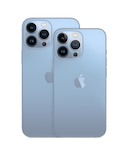





iPhone Repair in The Fix in Walmart Port Orange
Need iPhone repair in Port Orange, FL? Our technicians provide quick fixes for screens, batteries, and more.

Professional iPhone Repair Services
- Battery Health Check & Replacement
- Water Damage Repair
- Face ID & Touch ID Repair
- Camera & Speaker Repair
- Screen Replacement
- iCloud Unlock Assistance
- iOS Troubleshooting & Recovery
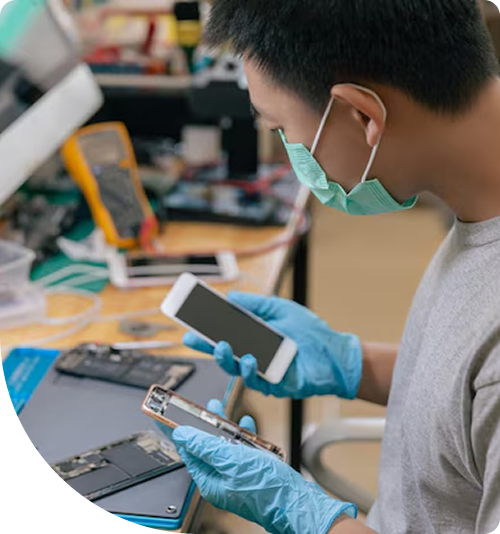
Professional iPhone Repair Services In The Fix in Walmart Port Orange
iPhone Repair in Port Orange, FL: What Halifax River Salt Air and Volusia County's Hurricane History Do to OLED Displays and Face ID
iPhones in Port Orange's Halifax River corridor face the most salt-intensive hardware environment of any iPhone population in this series. The combination of the Halifax River's continuous brackish tidal salt aerosol, the Atlantic coastal salt breeze that A1A and the barrier island route channel toward the Dunlawton Ave area, and the morning sea fog that forms over the tidal waterway and drifts inland across the corridor creates a 24-hour salt exposure cycle that no inland Florida market produces. Apple's OLED display, the TrueDepth Face ID sensor cluster, and the Lightning or USB-C charging port are all susceptible to this salt environment through different pathways: the display adhesive through ionic perimeter bond attack, the TrueDepth sensor window through salt film on the optical surface that reduces infrared transmission efficiency in outdoor light conditions, and the charging port through galvanic corrosion at the contact-to-substrate interface. Each of these three mechanisms operates simultaneously in Port Orange's salt environment, producing a compound hardware degradation timeline that is shorter than any of the three mechanisms alone would produce.
The Fix at 1590 Dunlawton Ave handles iPhone screen replacement, OLED display repair, battery replacement, back glass repair, charging port service, Face ID assessment, and water damage evaluation. The shop serves Port Orange's coastal community, including waterfront residents near the Halifax River, the Embry-Riddle student and faculty community, and Volusia County families throughout the Dunlawton Ave corridor. For iPhone repair in Port Orange, FL, The Fix is in the Walmart at 1590 Dunlawton Ave.
OLED Display and Back Glass in the Salt-Air Environment
Apple's OLED display assembly bonds the panel, digitizer, and glass as a laminated stack with perimeter adhesive that sodium chloride attacks at the adhesive-glass boundary. In Port Orange's Halifax River environment, this ionic adhesive attack concentrates at the display edge nearest the prevailing onshore salt-aerosol source — for iPhones used near open windows facing the tidal waterway between Dunlawton Ave and Ponce Inlet, the windward display edge shows adhesive separation first. The OLED panel's organic material is protected from direct salt exposure by the glass above it and the bonded digitizer beneath it, but once the perimeter adhesive begins separating, the gap admits salt aerosol directly to the OLED layer's edge — accelerating the photo-oxidation and organic material degradation at the display perimeter where the protection has failed.
Back glass adhesive on iPhone models faces the same salt-environment perimeter attack that the display adhesive experiences, but from all directions simultaneously — the back glass is exposed to the salt aerosol without the directional bias that window orientation creates for the display. Back glass adhesive separation in Port Orange iPhones begins at the corner where the perimeter bond surface area is smallest and the ionic attack rate per unit of bond area is highest. For iPhones used on boats through Ponce de León Inlet or at the Halifax waterfront, active spray rather than diffuse aerosol contacts the back glass, producing faster back glass adhesive degradation than the same model shows in the diffuse-aerosol inland-neighborhood portion of Port Orange.
Face ID, Hurricane Season Battery, and Charging Port
Face ID in Port Orange's salt-air environment has the TrueDepth window coating degradation pathway specific to salt-aerosol exposure. The salt film that the Halifax River's continuous aerosol deposits on the TrueDepth sensor window reduces the window's infrared transmission efficiency by creating a thin ionic layer on the optical surface. This reduction in transmission efficiency matters most in bright outdoor conditions — when the ambient infrared load is high from Florida's intense Atlantic coastal sunlight — because the TrueDepth system must separate its structured infrared from a high infrared background. Face ID inconsistency that Port Orange iPhone users notice specifically in outdoor bright-sun conditions on the A1A beach areas or on the Halifax waterfront, but not in indoor use, is consistent with this TrueDepth window salt-film transmission reduction.
iPhone battery degradation in Port Orange follows the Florida vehicle heat pattern for the general Volusia County population and the hurricane season intensive use pattern for the community's storm-season emergency communication needs. Embry-Riddle students who remain in the Daytona Beach area during hurricane evacuations — whether to shelter in Volusia County or to evacuate inland — use their iPhones as their primary communication, navigation, and information device throughout the storm sequence. The combination of sustained high-network activity, high-brightness outdoor use during storm documentation, and generator charging quality during extended outages produces the battery degradation that appears as reduced runtime in the post-storm academic period.
iPhone charging port salt corrosion from the Halifax River salt-aerosol environment drives the same galvanic process that affects all charging ports in the Port Orange market. The Lightning port on older models and the USB-C port on current models both have gold-plated contact surfaces over copper or nickel substrates — the galvanic cell that sodium chloride electrolyte creates between the gold and the substrate drives corrosion at the substrate side of the interface, producing the contact resistance increase that reduces fast-charge protocol performance before standard charging is affected. Port Orange iPhone users who charge regularly near the Halifax waterfront, outdoors on waterfront patios, or on boats accumulate this galvanic corrosion at a rate that produces fast-charge loss within twelve to eighteen months rather than the two to three years that inland Florida iPhone users experience.
iPhone Service at The Fix Near Ponce Inlet
The Fix performs a Face ID function test that assesses TrueDepth window condition for Port Orange outdoor users who describe Face ID inconsistency in bright coastal sunlight conditions. The test uses both standard Face ID function assessment and a bright-ambient light condition, since TrueDepth window salt-film degradation shows most clearly when the ambient infrared load is high — the condition that Halifax waterfront and Atlantic beach outdoor use produces. Back glass adhesive integrity is assessed alongside any display service for waterfront users, since both the display and back glass face the same ionic adhesive attack in the Halifax River salt-aerosol environment.
Charging port service uses the galvanic corrosion identification process for the Port Orange market, distinguishing salt-driven galvanic contact pitting from standard oxidation before selecting the cleaning approach. Storm surge water damage assessment uses the salt-water specific protocol, accounting for the galvanic corrosion that proceeds from the moment of salt-water exposure and the compressed recovery window that salt-water — compared to freshwater — immersion produces. Find The Fix at 1590 Dunlawton Ave, or search iPhone repair in Port Orange for current service details.
Frequently Asked Questions
My iPhone Face ID is less reliable when I'm outdoors at the beach or on the Halifax waterfront, but works fine indoors. Is the salt air affecting Face ID?
Salt film from the Halifax River and Atlantic coastal aerosol on the TrueDepth sensor window reduces the window's infrared transmission efficiency in bright-ambient outdoor conditions. When the ambient infrared load is high — as it is in Florida's intense coastal sunlight — the salt film's transmission reduction makes it harder for the system to distinguish its own structured infrared from the bright background. The inconsistency specifically in outdoor bright-sun conditions is the diagnostic signature of this TrueDepth window salt-film effect. Display service that includes the TrueDepth window restores the window's optical clarity and full outdoor Face ID reliability.
My iPhone back glass started separating at one corner. I take my phone on the boat through the Inlet regularly. Is the sea spray doing that?
Active sea spray from offshore boating through Ponce de León Inlet is a more aggressive salt exposure than the diffuse Halifax River tidal aerosol that affects shore-side devices. The dense saltwater droplets in boat spray enter the back glass perimeter gap at the salt concentration of Atlantic seawater rather than the diluted concentration of the tidal aerosol, and the ionic adhesive attack at the corner — where the perimeter bond surface area is smallest — progresses faster under this direct spray exposure than under atmospheric aerosol deposition. Back glass adhesive resealing addresses the current gap; waterproof case protection during on-water use prevents future spray ingress to the back glass perimeter.
My iPhone stopped charging normally after Hurricane Milton. It was soaked in storm surge. What are my options?
Halifax River storm surge is salt water — it drives galvanic corrosion on iPhone internal charging circuit components from the moment of exposure. The options depend on how quickly the phone is brought in for assessment and how long it remained in the salt water. Do not attempt to charge or power on the phone — galvanic corrosion is most destructive when current flows through salt-wetted components. Bring the phone to The Fix for assessment without powering it on; the assessment determines the extent of salt contamination in the charging circuit and on the logic board, and the recovery approach is based on what the assessment finds. Early assessment is the most important factor in the outcome.
Other Locations Near By You
The Fix in Walmart Jacksonville
6767 103rd St, Jacksonville, FL 32210, United States
The Fix in Walmart West Melbourne
845 Palm Bay Rd NE, West Melbourne, FL 32904, United States
The Fix in Walmart Jacksonville
10251 Shops Ln, Jacksonville, FL 32258, United States
The Fix in Walmart Orlando
8990 Turkey Lake Rd, Orlando, FL 32819, United States
The Fix in Walmart Orlando
11250 E Colonial Dr, Orlando, FL 32817, United States
The Fix in Walmart Brandon
1208 E Brandon Blvd, Brandon, FL 33510, United States
The Fix in Walmart Zephyrhills
7631 Gall Blvd, Zephyrhills, FL 33541, United States
The Fix in Walmart Casselberry
1239 State Road 436 Ste 101, Casselberry, FL 32707
The Fix in Walmart Lake Worth
4545 Hypoluxo Rd, Lake Worth Beach, FL 33463, United States
The Fix in Walmart Stuart
4001 SE Federal Hwy, Stuart, FL 34997, United States
Your local repair experts for every device
From iPhones to gaming laptops, The Fix in Port Orange, FL is your one-stop shop for device repair. Quick turnarounds, affordable prices, and local experts you can trust
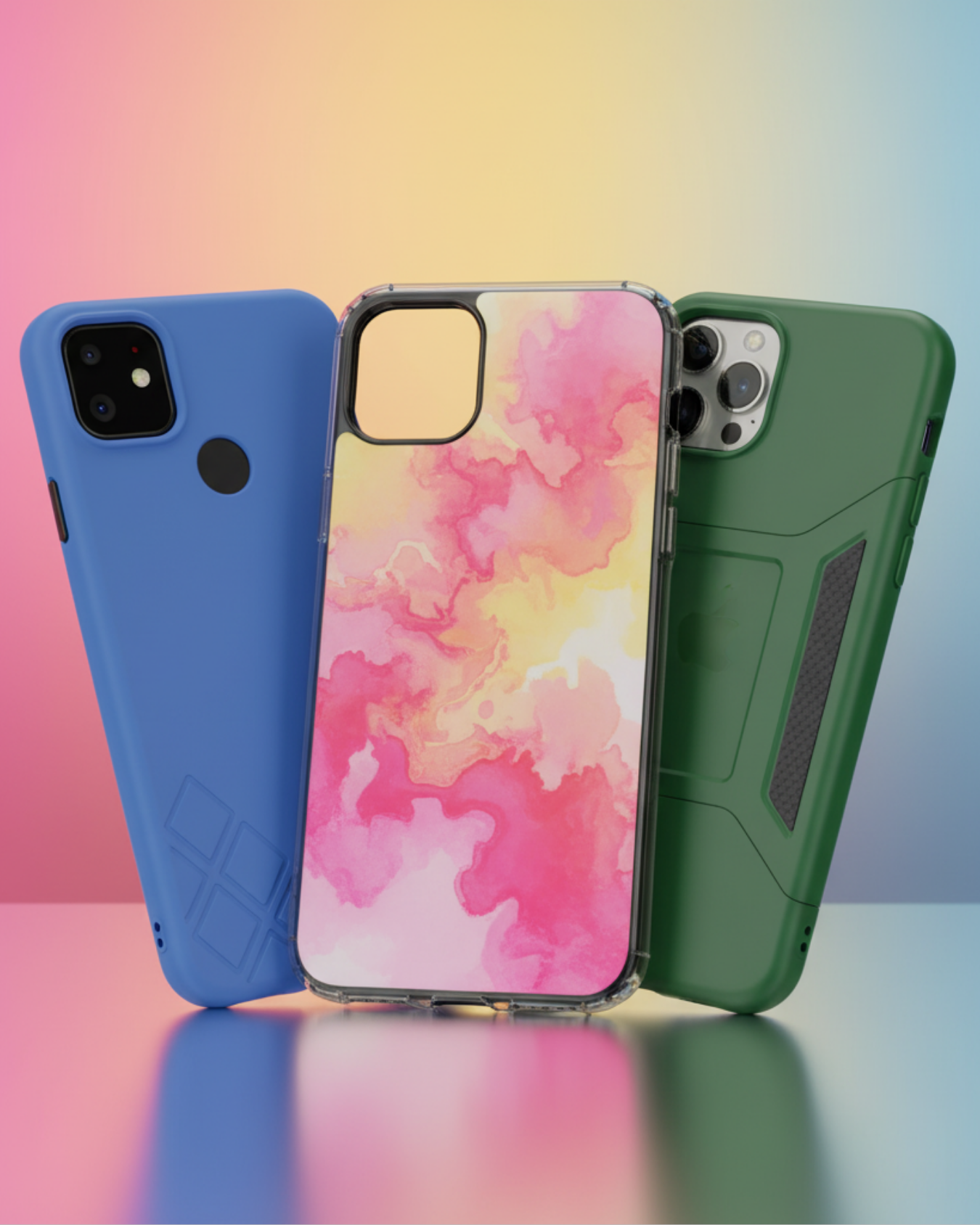
Phone Cases
Protect your device in style! At The Fix in Port Orange, FL, we offer a wide selection of durable phone cases for all major brands—sleek designs that keep your phone safe and looking great.

Nintendo Switch Repair
Cracked Nintendo Switch screen? We repair Switch devices in Port Orange, FL quickly and affordably. Fast, easy, and always with high-quality parts.

MacBook Repair
For broken screens, battery replacements, or other issues, The Fix in Port Orange, FL provides quick MacBook repairs with premium parts.

PlayStation Repair
Is your PlayStation giving you trouble? At The Fix in Port Orange, FL, we handle PlayStation repairs with care and quality parts—no long waits, no hassle.
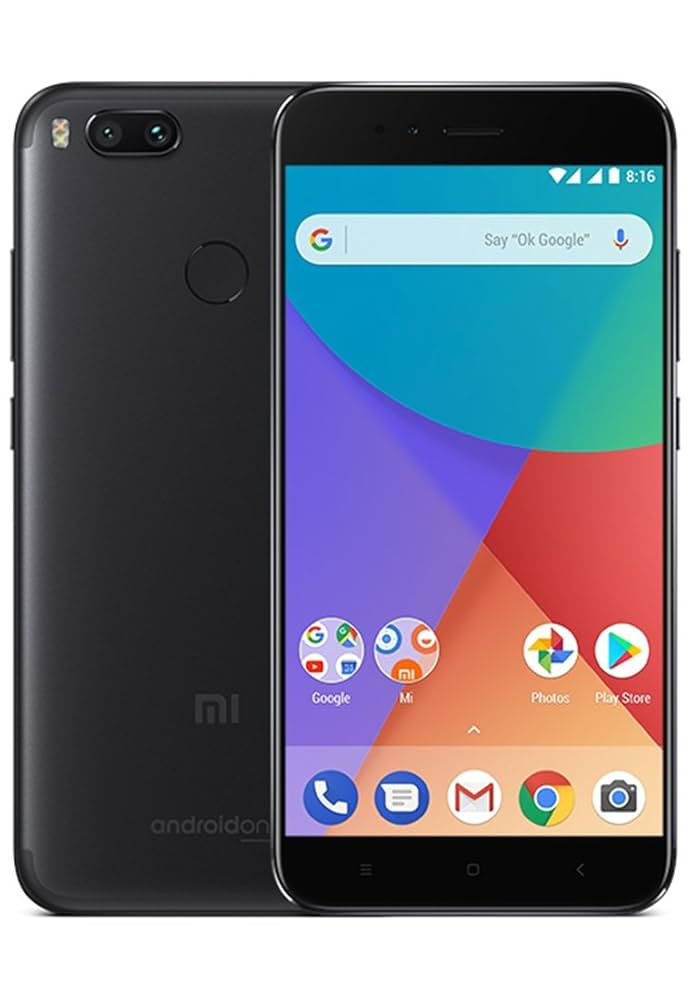
Google Repair
Need your Google Pixel fixed? At The Fix in Port Orange, FL, we repair cracked screens, charging issues, and more—always using high-quality parts for lasting results.

Tablet Repair
Whether your tablet screen is cracked or the battery won’t hold a charge, The Fix in Port Orange, FL provides fast, affordable tablet repairs with free diagnostics.

Computer Repair
Need PC or desktop service in Port Orange, FL? We provide free diagnostics and affordable repairs, always with high-quality parts.

Game Console Repair
From Nintendo Switch® to PlayStation and Xbox, The Fix in Port Orange, FL repairs all major game consoles. Fast service and dependable results.

Laptop Repair
Got a broken laptop? The Fix In Port Orange, FL, our team repairs most laptop brands and models using high-quality replacement parts.

iPad Repair
Need your iPad fixed? At The Fix in Port Orange, FL, we repair cracked screens, charging issues, and more—always using high-quality parts for lasting results.

Cell Phone Repair
We repair all major phone brands in Port Orange, FL. iPhone, Samsung, Google, and more—get your phone fixed fast.

Samsung Repair
Whether it’s a Galaxy screen replacement or a charging issue, The Fix in Port Orange, FL offers fast and reliable Samsung repairs.

Xbox Repair
Xbox not working properly? Our team in Port Orange, FL offers quick, reliable Xbox repairs with free diagnostics and high-quality replacement parts.


Trusted repair solution for mobile phones, tablets, gaming consoles, and computer systems. We provide fast, reliable, and affordable repair services to get your devices back in perfect working condition.
The Fix is an independent repair service provider and is not affiliated with, sponsored by, or endorsed by Apple Inc., Samsung Electronics, Google LLC, or any other device manufacturer. We use high-quality compatible replacement parts unless explicitly stated. All trademarks are property of their respective owners.


© Copyright The Fix Solutions All rights reserved 2026.
Design by Deepcoder