




Xbox Repair in The Fix in Walmart Laurel
Is your Xbox giving you trouble? At The Fix in Laurel, MD, we provide quick and reliable Xbox repairs. From HDMI port damage to overheating consoles, our technicians offer free diagnostics and use high-quality parts to get you back in the game fast.

Professional Xbox Repair Services
- HDMI Port Repair & Replacement
- Overheating & Fan Repair
- Controller & Stick Drift Repair
- Disc Drive Repair
- Power Supply Repair
- Software Troubleshooting & Updates
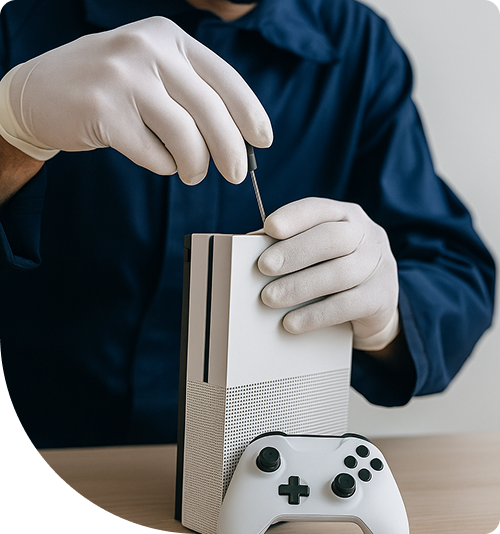
Professional Xbox Repair Services In The Fix in Walmart Laurel
Xbox Repair in Laurel, MD: Why the First Symptom Matters
Xbox gaming systems represent sophisticated computing environments where thermal management governs hardware longevity. The Xbox Series X integrates a custom AMD APU and GPU into a compact tower form factor, generating significant heat during gameplay. Fort Meade's federal workforce and Laurel's gaming community depend on Xbox systems for entertainment during evening and weekend hours. However, the I-95 corridor's mid-Atlantic climate presents a specific challenge: summer ambient temperatures reach 95 degrees Fahrenheit while gaming produces internal heat exceeding 100 degrees Celsius. This thermal environment accelerates every failure mode simultaneously. Understanding the damage clock governing Xbox systems is essential for Laurel residents who want to extend their hardware investment and avoid unnecessary replacement scenarios.
When gamers search for Xbox repair in Laurel, MD repair assistance, they're frequently addressing thermal stress symptoms that have progressed to intermediate or advanced stages. The damage clock starts silently—thermal interface compound begins drying at the APU-to-heatsink junction, GPU thermal pads compress from sustained heat exposure, and PSU bulk capacitors begin aging. These silent failures create a framework within which visible symptoms eventually emerge. Controller trigger bumper spring fatigue, HDMI encoder chip solder ball fatigue, and NVMe storage expansion card connector oxidation follow predictable timelines tied to the underlying thermal stress environment.
The Damage Clock
The damage clock initiates the moment thermal interface compound begins drying at the APU junction. The custom AMD APU in Xbox Series X generates heat across billions of transistor operations during gameplay. Thermal interface compound—in modern systems often Conductonaut liquid metal—must maintain a thin, consistent layer between the APU die and the copper heatspreader to transfer heat efficiently. Laurel's summer environment, combined with sustained high-load gaming sessions, creates sustained junction temperatures exceeding 85 degrees Celsius. Liquid metal formulations experience migration—the gallium and indium elements gradually move from the high-temperature APU junction toward cooler regions of the heatspreader. Over weeks and months, the compound layer thins at the critical junction area while accumulating at cooler edges, creating thermal resistance at the exact point where heat transfer is most critical.
Simultaneously, the GPU thermal pads experience compression gap widening. The thermal pad material—a compressible silicone or polymer matrix loaded with thermally conductive particles—compresses under pressure and heat exposure. As the pad compresses, the gap between the GPU die and heatsink increases from the initial 0.5-millimeter specification toward 1.0 millimeter or greater. Laurel's thermal cycling—95-degree summer heat contrasting with air-conditioned interiors maintaining 72 degrees—creates mechanical fatigue in the pad material, accelerating compression. The compression gap widening increases thermal resistance, causing GPU junction temperatures to climb despite aggressive fan operation. The thermal management system responds by increasing fan speed toward maximum, manifesting as audible fan noise that users interpret as a cooling system failure.
The Cascade
The cascade accelerates when the HDMI 2.1 encoder chip experiences solder ball fatigue. The encoder chip generates the video signal encoding that enables 4K resolution at 120 Hz refresh rate—the demanding output format that defines next-generation gaming. The encoder solder balls connecting the chip to the motherboard experience stress from thermal cycling, particularly when sustained high-performance gaming generates continuous heat load. Each thermal cycle creates mechanical stress as solder expands and contracts at different rates than the surrounding substrate. Micro-fractures develop in the solder connections. Visible symptoms emerge: video dropout during extended gaming sessions, particularly once the system reaches thermal equilibrium and sustained heat creates ongoing stress cycling. Display flickers, colors shift, or complete video loss occurs intermittently.
The NVMe storage expansion card connector oxidation cascade develops from Laurel's humidity environment combined with the expansion card's exposed connector position inside the console. The expansion connector carries high-speed data signals between the motherboard and the NVMe card. Over months of operation in Laurel's 85–90 percent summer humidity, oxidation forms on the connector contact points. The oxidation creates electrical resistance that slows data transfer rates, causes read errors, or results in complete card failure. Users experience games failing to load, save data corruption, or complete inability to recognize the expansion card. The connector itself is not damaged; corrosion has simply degraded the electrical connection quality. Careful cleaning and protective coating can restore functionality, or connector replacement addresses the issue permanently.
The PSU bulk capacitor aging cascade progresses silently until dramatic failure manifests. The Xbox Series X power supply unit contains bulk capacitors that filter the rectified AC input, smoothing it into stable DC voltage for the downstream components. These capacitors experience progressive aging from sustained electrical stress and Laurel's humid environment. The electrolytic materials inside the capacitor dry out and degrade, increasing equivalent series resistance (ESR) and reducing capacitance. The PSU output voltage becomes unstable—voltage ripple increases, regulation precision decreases, and supply voltage drifts. The motherboard experiences intermittent power delivery instability, manifesting as random system crashes, shutdown during demanding loads, or complete refusal to power on.
The Intervention Window
The intervention window is critical for Xbox systems because the damage clock accelerates exponentially once cascading failures initiate. A user noticing thermal throttling symptoms—declining frame rates despite consistent load—should immediately seek thermal diagnostics. Thermal imaging of the APU and GPU regions reveals whether thermal compound degradation or thermal pad compression is driving the throttling. Intervention at this stage involves thermal compound replacement and thermal pad assessment or replacement—a four-hour service restoring thermal performance. However, if weeks pass with continued thermal throttling operation, the secondary damage phase has begun: HDMI encoder micro-fractures have initiated, PSU capacitor ESR has increased, and NVMe connector oxidation has progressed. Intervention becomes significantly more complex.
The critical insight is recognizing that Xbox failures follow predictable thermal stress patterns specific to Laurel's environment. Summer heat combined with sustained gaming loads creates conditions where every thermal-related failure mode accelerates simultaneously. The damage clock is always running once thermal stress exceeds design specifications. The Fix in Walmart Laurel applies thermal imaging diagnostics to detect early-stage thermal stress before cascading failures compound. Regular thermal compound inspection and replacement on a preventive basis—even before symptoms appear—extends Xbox hardware lifespan significantly. This preventive approach, combined with rapid diagnosis and repair when early symptoms appear, transforms Xbox ownership from a planned two-to-three year hardware lifecycle into sustainable five-plus year longevity.
Field Notes
Why is my Xbox getting louder during games and showing performance drops?
Loud fan noise combined with performance drops indicates thermal throttling caused by APU thermal compound degradation or GPU thermal pad compression gap widening. As thermal conductivity decreases, the system reduces processor clock frequency to stay within safe junction temperature limits. The thermal management system responds by increasing fan speed toward maximum, creating audible noise users interpret as component failure. Laurel's summer heat and sustained gaming loads accelerate this degradation compared to cooler climates. Thermal imaging diagnostics reveal whether compound migration or pad compression is the primary cause. Replacement of thermal compound and inspection of thermal pads typically restores thermal performance and eliminates the throttling symptom.
Why does my Xbox display cut out intermittently during long gaming sessions?
Intermittent video loss during extended gaming typically indicates HDMI encoder chip solder ball micro-fractures caused by thermal cycling stress. The fractures create intermittent electrical discontinuity in the encoder signal path—the display works initially when solder joints are in minimal stress positions, but as thermal cycling creates stress, connection quality degrades and video dropout occurs. This is particularly common in Laurel after sustained gaming generates continuous heat that creates ongoing thermal stress cycling. Unlike static display failures, intermittent loss is a clear indicator of solder joint fatigue rather than complete component failure. Targeted micro-soldering or HDMI encoder chip replacement addresses the underlying issue.
Why does my Xbox refuse to recognize the storage expansion card?
NVMe expansion card recognition failure typically results from connector oxidation rather than card failure. Laurel's high humidity environment (85–90 percent relative humidity in summer) accelerates oxidation on the expansion connector contact points. The oxidation creates electrical resistance that prevents proper data handshake negotiation between the motherboard and the card. Careful connector cleaning with specialized electrical contact cleaner often restores functionality immediately. If cleaning fails to restore recognition, protective coating application can prevent future oxidation, or connector replacement may be necessary. Testing the expansion card in a different Xbox system determines whether the card itself has failed or the console's connector is the problem.
Other Locations Near By You
The Fix in Clarksburg Premium Outlets
22705 Clarksburg Rd, Clarksburg, MD 20871, USA
The Fix in Walmart Frederick
7400 Guilford Dr, Frederick, MD 21704, United States
The Fix in Westfield Wheaton
11160 Veirs Mill Rd, Wheaton, MD 20902
The Fix in Walmart Landover Hills
6210 Annapolis Rd, Landover Hills, MD 20784, United States
The Fix in The Mall in Columbia
10300 Little Patuxent Pkwy #1708, Columbia, MD 21044, United States
The Fix in Towson Town Center
825 Dulaney Valley Rd, Towson, MD 21204, United States
The Fix in Westfield Montgomery
7101 Democracy Blvd #212B, Bethesda, MD 20817, United States
Your local repair experts for every device
From iPhones to gaming laptops, The Fix in Laurel, MD is your one-stop shop for device repair. Quick turnarounds, affordable prices, and local experts you can trust
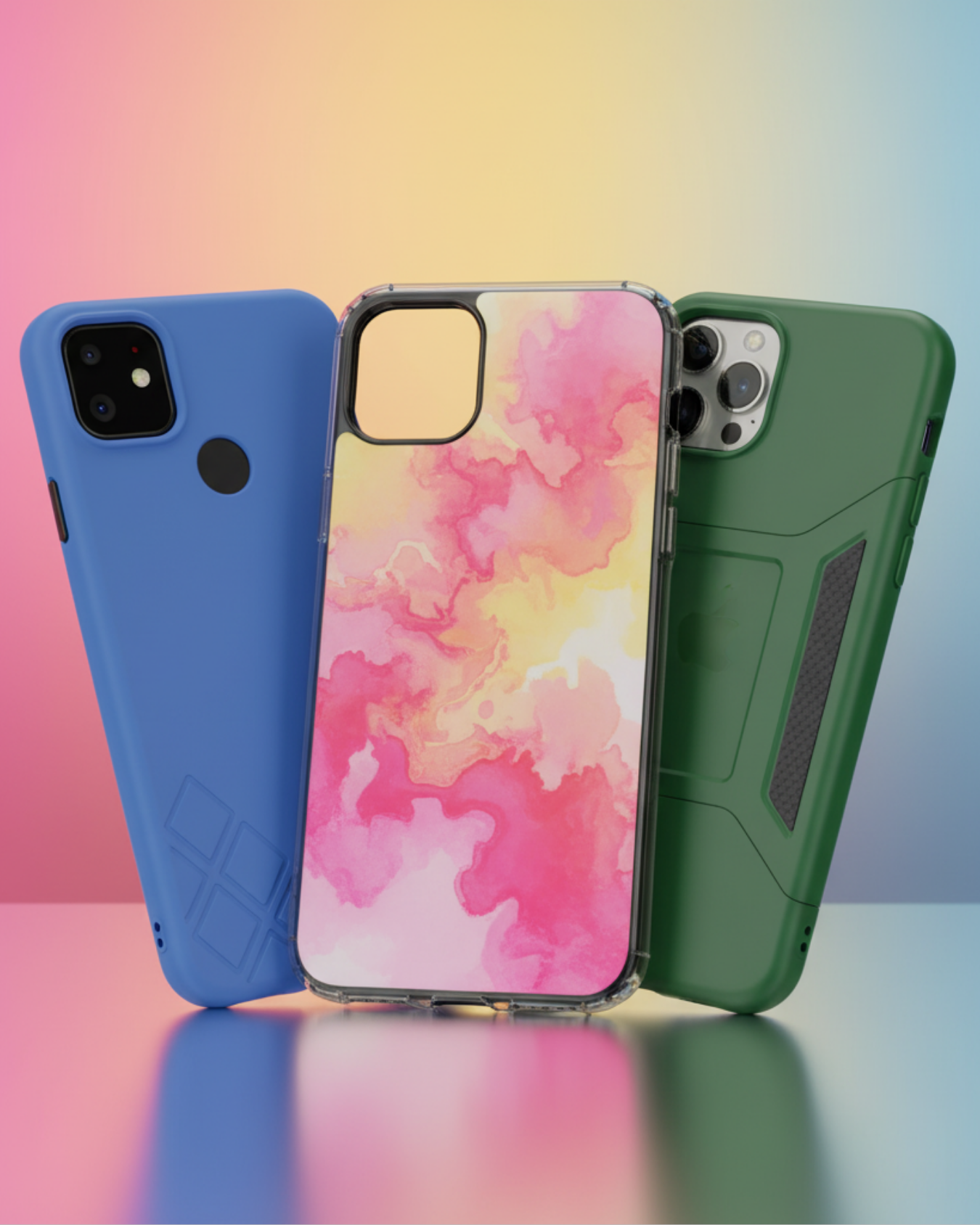
Phone Cases
Protect your device in style! At The Fix in Laurel, MD, we offer a wide selection of durable phone cases for all major brands—sleek designs that keep your phone safe and looking great.

Nintendo Switch Repair
Cracked Nintendo Switch screen? We repair Switch devices in Laurel, MD quickly and affordably. Fast, easy, and always with high-quality parts.

MacBook Repair
For broken screens, battery replacements, or other issues, The Fix in Laurel, MD provides quick MacBook repairs with premium parts.

PlayStation Repair
Is your PlayStation giving you trouble? At The Fix in Laurel, MD, we handle PlayStation repairs with care and quality parts—no long waits, no hassle.
Google Repair
Need your Google Pixel fixed? At The Fix in Laurel, MD, we repair cracked screens, charging issues, and more—always using high-quality parts for lasting results.

Tablet Repair
Whether your tablet screen is cracked or the battery won’t hold a charge, The Fix in Laurel, MD provides fast, affordable tablet repairs with free diagnostics.

Computer Repair
Need PC or desktop service in Laurel, MD? We provide free diagnostics and affordable repairs, always with high-quality parts.

Game Console Repair
From Nintendo Switch® to PlayStation and Xbox, The Fix in Laurel, MD repairs all major game consoles. Fast service and dependable results.

Laptop Repair
Got a broken laptop? The Fix In Laurel, MD, our team repairs most laptop brands and models using high-quality replacement parts.

iPad Repair
Need your iPad fixed? At The Fix in Laurel, MD, we repair cracked screens, charging issues, and more—always using high-quality parts for lasting results.

Cell Phone Repair
We repair all major phone brands in Laurel, MD. iPhone, Samsung, Google, and more—get your phone fixed fast.

iPhone Repair
Cracked screen? Battery draining too fast? Our team in Laurel, MD repairs iPhones with precision and high-quality parts to make your device feel new again.

Samsung Repair
Whether it’s a Galaxy screen replacement or a charging issue, The Fix in Laurel, MD offers fast and reliable Samsung repairs.


Trusted repair solution for mobile phones, tablets, gaming consoles, and computer systems. We provide fast, reliable, and affordable repair services to get your devices back in perfect working condition.
The Fix is an independent repair service provider and is not affiliated with, sponsored by, or endorsed by Apple Inc., Samsung Electronics, Google LLC, or any other device manufacturer. We use high-quality compatible replacement parts unless explicitly stated. All trademarks are property of their respective owners.


© Copyright The Fix Solutions All rights reserved 2026.
Design by Deepcoder