




Nintendo Switch Repair in The Fix in Walmart Laurel
Is your Nintendo Switch not working properly? At The Fix in Laurel, MD, we repair screens, batteries, and more—always with free diagnostics and high-quality parts. Whether it’s a cracked screen or Joy-Con issue, our team gets you back to gaming fast.

Professional Nintendo Switch Repair Services
- Joy-Con Drift & Controller Repair
- Screen Repair & Replacement
- Battery Replacement
- Charging Port Repair
- Water Damage Repair
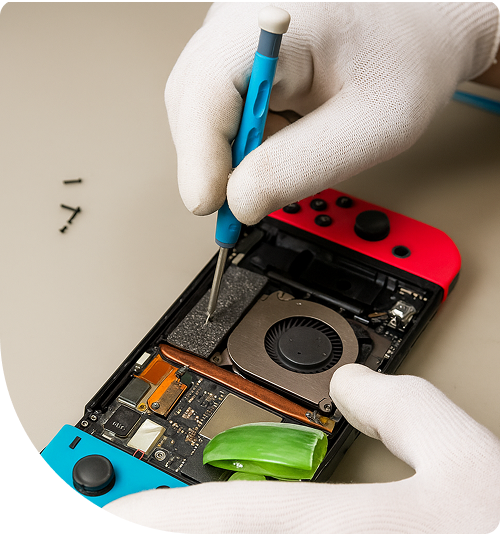
Professional Nintendo Switch Repair Services In The Fix in Walmart Laurel
The Laurel Effect on Nintendo Switch: A Field Technician's Report
Nintendo Switch repair requests in Laurel, MD exhibit distinctive failure patterns that diverge significantly from national averages, reflecting the region's unique environmental conditions and usage demographics. The Fort Meade military campus, NSA contractor facilities, and University of Maryland College Park proximity create a device-user population that includes high-stress professionals, students in dormitory environments, and federal workers commuting along I-95. These user groups subject their devices to environmental stress patterns—humidity spikes, temperature cycling, and device movement patterns—that accelerate specific mechanical and electrical failures. Understanding these Laurel-specific failure modes helps technicians diagnose problems accurately and helps residents understand why their devices fail when they do.
The cumulative effect of the Mid-Atlantic climate combines with intensive usage patterns to create repair scenarios that require specialized diagnostic understanding. Technicians working on Nintendo Switch repair in Laurel, MD observe failure patterns driven by the region's 85%+ summer humidity, seasonal thunderstorm activity, and the movement patterns of professionals commuting through the Baltimore-Washington corridor. These environmental and demographic factors produce predictable failure signatures in Joy-Con potentiometer drift, battery ESR measurements, and dock USB-C contact fatigue that distinguishes Laurel repair cases from those in other geographic regions. Understanding these patterns helps device owners recognize when their Switch failures are environmental rather than known failure patterns.
The Intake Brief
The intake process for Nintendo Switch repairs in Laurel begins with documenting usage environment rather than relying solely on symptom description. Technicians ask whether the device is typically used in dormitory settings—where communal bathrooms create sustained humidity exposure—or in climate-controlled professional environments. This distinction affects diagnostic priorities: humidity-exposed devices show different battery cell aging patterns and dock corrosion profiles than those used in dry environments. Joy-Con potentiometer drift, the most common Switch failure, emerges from two distinct mechanisms: inherent design weakness in the HAL joystick module carbon track, and accelerated wear from environmental factors. In Laurel, the combination of high humidity and intense usage by students and professionals creates ideal conditions for rapid potentiometer degradation. Batteries showing elevated ESR measurements and reduced cycle counts indicate consistent environmental stress rather than random failure. The intake brief documents whether the device has experienced water exposure, proximity to sources of salt spray or corrosive compounds, and whether it lives in locations with dramatic temperature swings.
Device movement patterns among Fort Meade and NSA campus workers significantly influence failure presentation. Professionals carrying Switch devices in bags or pockets during commutes experience repeated mechanical shock and vibration exposure that accelerates Joy-Con rail connector contact tension loss. The connector that holds Joy-Cons in place on the main unit relies on precise friction between metal contact points; daily insertion and removal cycles combined with vibration-induced micro-movements gradually degrade this friction. Dormitory-based students in College Park experience different mechanical stress—the device remains relatively stationary—but encounter sustained humidity exposure that creates corrosion on dock USB-C pin contacts and inside battery connectors. The charge IC (BQ24193) chip, responsible for battery management and charging oversight, sits directly adjacent to areas prone to humidity penetration. Understanding these user-environment interactions helps technicians prioritize diagnostic tests: an intermittent charging issue in a device from a humid dormitory environment suggests charge IC thermal stress or dock corrosion, while the same symptom in a frequently-moved professional device might indicate dock USB-C contact fatigue from repeated insertion cycles.
What the Teardown Reveals
The teardown process for Laurel-area Switch devices reveals environmental signatures in component condition that wouldn't be apparent from functional testing alone. Technicians remove the back plastic housing and immediately observe whether dust accumulation indicates the device has been operated in environments with high particulate load—common near construction sites or in areas with Baltimore inner harbor salt spray transport. Humidity exposure manifests as white corrosion deposits on metal connectors, discoloration on capacitor leads, and crystalline formations on circuit board traces where humidity has deposited mineral content from water vapor. The Joy-Con potentiometer drift mechanism—the carbon track on the HAL joystick module that registers position input—shows distinctive wear patterns: smooth, concentric wear indicates normal use-related degradation, while localized, aggressive wear suggests environmental contamination mixed with mechanical stress. Battery cell inspection reveals whether the electrolyte has degraded from heat cycling; healthy cells show consistent color, while thermally stressed cells display brown or black discoloration indicating chemical breakdown. The fan bearing assembly, responsible for thermal management, often exhibits accelerated wear in humidity-exposed devices because moisture infiltration causes corrosion on bearing races, increasing friction and RPM deviation.
The dock USB-C pin contact inspection provides particular diagnostic value in Laurel repair cases because this component accumulates environmental stress in distinctive ways. Technicians observe whether pins show uniform oxidation indicating general exposure, or focused corrosion suggesting water ingress at specific points where humidity trapped moisture against metal surfaces. RPM deviation in the cooling fan correlates directly with bearing race corrosion from humidity exposure: severely corroded devices show fans that cannot reach normal operating speeds, causing thermal management failure and APU (application processor unit) throttling. The charge IC (BQ24193) thermal imaging during operation often reveals temperature spikes in humidity-exposed devices, indicating that the chip is working harder to maintain charging stability despite moisture-induced component stress. Battery ESR measurements taken during the teardown typically show elevated resistance in devices from humid environments—resistance that would normally take 3 to 4 years to develop appears in 18 to 24 months—indicating accelerated chemical degradation. The kickstand hinge torque degradation shows as loose or unstable positioning; examination reveals whether the hinge polymer has stress-relaxed from thermal cycling or whether corrosion inside the hinge mechanism has reduced friction.
Advanced diagnostic testing during the teardown includes isolated component testing that reveals whether failures are environmental or design-related. Joy-Con potentiometer modules can be tested independently using dedicated diagnostic equipment that applies known voltage patterns and measures output linearity. Devices showing erratic output across the full range of motion indicate contamination or wear; those showing output errors primarily at extreme positions suggest the carbon track has worn through in localized areas. Battery cells can be tested under controlled load to measure actual capacity and ESR, revealing whether a device reports 100% charge but can only sustain that voltage for a fraction of normal duration—a signature of heat-induced degradation rather than normal aging. The dock USB-C pins are inspected under magnification for micro-fractures that wouldn't be visible to the naked eye; these fractures often appear at specific angles where pin flexion during insertion creates stress concentration points. Bandwidth testing through the dock connection reveals whether signal integrity has degraded due to corrosion or contact oxidation, manifesting as intermittent connectivity issues during charging or docking. For devices showing fan bearing wear, technicians measure actual bearing friction using precision instruments that quantify how much the bearing resistance has increased; this measurement correlates with humidity exposure duration and intensity.
The Repair Record
The repair record for Switch devices in Laurel follows predictable patterns when organized by user environment and device age. Devices belonging to students in College Park dormitories, where humidity exposure is sustained and intense, typically show battery and charging system failures between 18 and 24 months of ownership—accelerated by 12 to 18 months compared to national average device lifespan. Professional devices from Fort Meade and NSA facilities show mechanical failure patterns (Joy-Con connector wear, potentiometer drift) more prominently than thermal failures, reflecting intensive daily movement and vibration exposure combined with generally climate-controlled usage environments. Devices from Laurel Lakes and Route 1 commercial district areas show mixed failure signatures, correlating with whether individual users maintain climate-controlled workspaces or split time between controlled environments and outdoor commuting. The repair record demonstrates that environmental factors represent a major independent variable in Switch longevity: two devices of identical age and usage intensity show dramatically different failure patterns depending on whether they've been exposed to Laurel's 85%+ summer humidity or maintained in controlled environments. Documentation of these patterns allows technicians to counsel device owners on environmental mitigation strategies that can extend device life before repair becomes necessary.
Nintendo Switch devices fail predictably once technicians understand the environmental and usage context unique to Laurel residents. The combination of high humidity, seasonal temperature extremes, intense usage by mobile professionals, and dormitory-based student populations creates failure patterns that diverge significantly from national repair statistics. Technicians at The Fix in Walmart Laurel maintain repair records documenting these Laurel-specific failure signatures, allowing them to diagnose problems rapidly and recommend repairs that address root causes rather than symptoms. Understanding why your specific device failed—whether environmental factors, mechanical stress, or design limitations—helps you make informed decisions about repair versus replacement and implement environmental controls that extend the life of repaired devices or future replacements.
Field Notes
Why does my Switch battery die so quickly compared to when I bought it?
Battery cells in Laurel experience accelerated degradation from sustained humidity exposure and thermal cycling. ESR (internal resistance) increases faster than normal, reducing the device's ability to sustain voltage under load. Dormitory environments with high humidity show the fastest battery degradation, typically losing 30-40% of rated capacity within 24 months. Professional testing can measure actual battery cell condition versus apparent charge level, revealing whether rapid discharge reflects actual capacity loss or charge IC measurement errors.
What causes Joy-Con drift and can it be prevented?
Potentiometer drift emerges from carbon track wear on the HAL joystick module, accelerated by dust and humidity contamination combined with intensive use. Prevention requires keeping devices in dry environments and minimizing Joy-Con removal cycles. Laurel's humidity creates ideal conditions for accelerated drift; students and mobile professionals experience drift much faster than users in drier climates. Once drift begins, professional cleaning of the potentiometer module can temporarily restore function, but eventual replacement becomes necessary as carbon track damage becomes permanent.
Why does my dock connection keep failing?
USB-C pin contacts in the dock corrode when exposed to humidity and undergo fatigue from repeated insertion cycles. Professional devices in Fort Meade and NSA facilities show contact fatigue; dormitory devices show corrosion. Inspection often reveals both issues simultaneously. Cleaning corroded pins temporarily restores function, but micro-fractures from repetitive stress eventually cause permanent failure. Minimizing dock insertion cycles and maintaining dry storage conditions slow the degradation process.
Other Locations Near By You
The Fix in Clarksburg Premium Outlets
22705 Clarksburg Rd, Clarksburg, MD 20871, USA
The Fix in Walmart Frederick
7400 Guilford Dr, Frederick, MD 21704, United States
The Fix in Westfield Wheaton
11160 Veirs Mill Rd, Wheaton, MD 20902
The Fix in Walmart Landover Hills
6210 Annapolis Rd, Landover Hills, MD 20784, United States
The Fix in The Mall in Columbia
10300 Little Patuxent Pkwy #1708, Columbia, MD 21044, United States
The Fix in Towson Town Center
825 Dulaney Valley Rd, Towson, MD 21204, United States
The Fix in Westfield Montgomery
7101 Democracy Blvd #212B, Bethesda, MD 20817, United States
Your local repair experts for every device
From iPhones to gaming laptops, The Fix in Laurel, MD is your one-stop shop for device repair. Quick turnarounds, affordable prices, and local experts you can trust
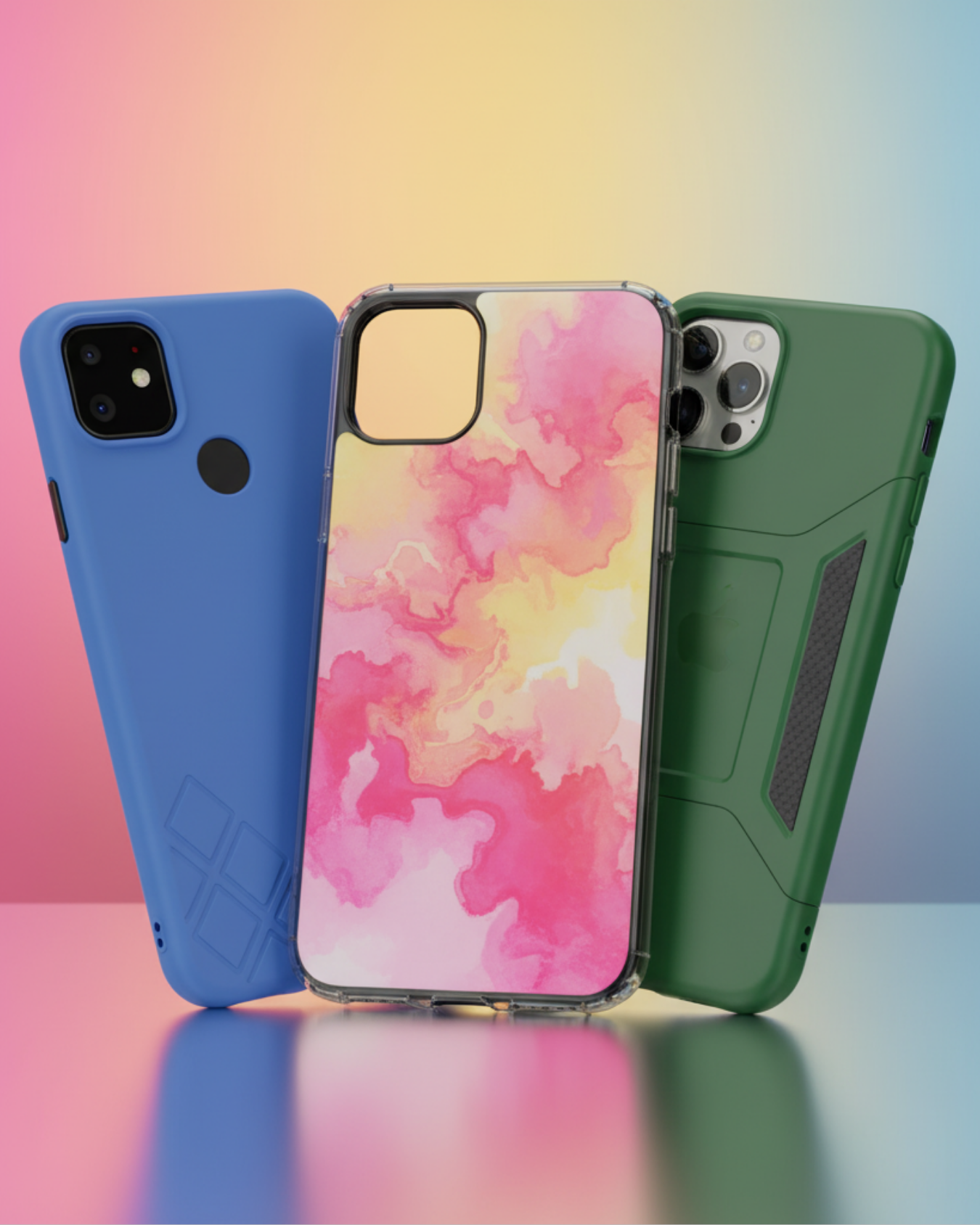
Phone Cases
Protect your device in style! At The Fix in Laurel, MD, we offer a wide selection of durable phone cases for all major brands—sleek designs that keep your phone safe and looking great.

MacBook Repair
For broken screens, battery replacements, or other issues, The Fix in Laurel, MD provides quick MacBook repairs with premium parts.

PlayStation Repair
Is your PlayStation giving you trouble? At The Fix in Laurel, MD, we handle PlayStation repairs with care and quality parts—no long waits, no hassle.
Google Repair
Need your Google Pixel fixed? At The Fix in Laurel, MD, we repair cracked screens, charging issues, and more—always using high-quality parts for lasting results.

Tablet Repair
Whether your tablet screen is cracked or the battery won’t hold a charge, The Fix in Laurel, MD provides fast, affordable tablet repairs with free diagnostics.

Computer Repair
Need PC or desktop service in Laurel, MD? We provide free diagnostics and affordable repairs, always with high-quality parts.

Game Console Repair
From Nintendo Switch® to PlayStation and Xbox, The Fix in Laurel, MD repairs all major game consoles. Fast service and dependable results.

Laptop Repair
Got a broken laptop? The Fix In Laurel, MD, our team repairs most laptop brands and models using high-quality replacement parts.

iPad Repair
Need your iPad fixed? At The Fix in Laurel, MD, we repair cracked screens, charging issues, and more—always using high-quality parts for lasting results.

Cell Phone Repair
We repair all major phone brands in Laurel, MD. iPhone, Samsung, Google, and more—get your phone fixed fast.

iPhone Repair
Cracked screen? Battery draining too fast? Our team in Laurel, MD repairs iPhones with precision and high-quality parts to make your device feel new again.

Samsung Repair
Whether it’s a Galaxy screen replacement or a charging issue, The Fix in Laurel, MD offers fast and reliable Samsung repairs.

Xbox Repair
Xbox not working properly? Our team in Laurel, MD offers quick, reliable Xbox repairs with free diagnostics and high-quality replacement parts.


Trusted repair solution for mobile phones, tablets, gaming consoles, and computer systems. We provide fast, reliable, and affordable repair services to get your devices back in perfect working condition.
The Fix is an independent repair service provider and is not affiliated with, sponsored by, or endorsed by Apple Inc., Samsung Electronics, Google LLC, or any other device manufacturer. We use high-quality compatible replacement parts unless explicitly stated. All trademarks are property of their respective owners.


© Copyright The Fix Solutions All rights reserved 2026.
Design by Deepcoder