




MacBook Repair in The Fix in Walmart Laurel
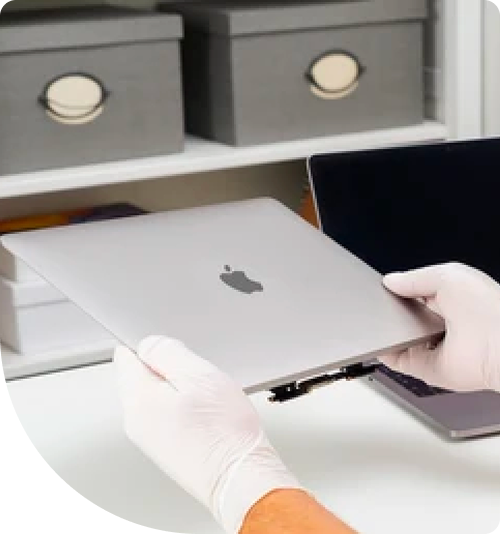
Need MacBook repair in Laurel, MD? At The Fix, we provide quick, reliable solutions for your Apple laptop. From screen damage to battery replacements, our technicians use high-quality parts and offer free diagnostics so you always know what’s needed before we start.

Professional MacBook Repair Services
- Screen Repair & Replacement
- Battery Replacement
- Water Damage Repair
- Keyboard Repair
- Charging Port Repair
- Overheating & Fan Repair
- Hard Drive / SSD Replacement & Data Recovery
- macOS Troubleshooting & Recovery
Professional MacBook Repair Services In The Fix in Walmart Laurel
Before Laurel's Humidity Makes It Worse: MacBook Repair
MacBook failures in Laurel, MD follow a temporal progression that technicians can predict with surprising accuracy once the initial damage mode becomes apparent. The 2016 through 2019 13-inch MacBook models, owned extensively by University of Maryland students and federal contractors in the Fort Meade area, exhibit distinctive failure patterns driven by a combination of design vulnerability and environmental stress. Flexgate display backlight cable fatigue emerges as the primary failure mode in these cohorts, manifesting initially as subtle display dimming or flickering that users often attribute to software issues. The Mid-Atlantic climate—with humidity spiking to 85% and beyond during summer months—accelerates the stress relaxation of the backlight cable polymer insulation, compressing the timeline from the national average of 36 to 48 months to as little as 18 to 24 months in humidity-exposed Laurel devices. Understanding this temporal progression helps device owners recognize early warning signs and intervene before cascade failures render the device completely non-functional.
The damage clock on MacBook devices in Laurel begins the moment the device enters the regional environment, regardless of previous usage history. A machine arriving in perfect condition experiences immediate environmental stress from humidity exposure that gradually degrades internal components. Understanding the timeline of MacBook in repair Laurel, MD failure progression allows residents to implement environmental controls and identify early repair opportunities before failures compound. The T2 and M-series Secure Enclave chip hardware pairing, liquid metal TIM (thermal interface material) migration on M1 and M2 APU dies, and PMIC power rail regulation failures all follow predictable progression timelines once initial environmental stress begins. Residents of Laurel Lakes, Route 1 commercial areas, and those commuting along I-95 to Baltimore and Washington experience variations in device stress based on whether their MacBooks live in climate-controlled offices or move between vehicles and buildings multiple times daily.
The Damage Clock
The damage clock for MacBook devices begins measuring from the moment the device enters Laurel's humid environment, progressing through distinct temporal phases that correlate with observable symptoms. Month 0-6 represents the silent degradation phase, during which polymer insulation on the Flexgate backlight cable begins stress relaxation under humidity exposure and thermal cycling from routine operation. No symptoms manifest during this period; the device functions normally despite accelerating molecular-level degradation. Month 6-12 marks the symptom emergence phase, when display flickering or dimming during screen rotation first becomes noticeable, typically appearing under specific angle conditions or after the device has warmed up from hours of use. Many users ignore these initial warnings, attributing them to software issues or minor hardware quirks. Month 12-18 represents the rapid deterioration phase, where flickering intensifies and permanent display segments may begin showing discoloration or dark bands. Users often seek repairs during this window, though by this point the backlight cable has already undergone substantial degradation. Month 18-24 marks the cascade phase, when the backlight cable fails completely or partially, forcing the display to rely on residual backlighting that becomes increasingly dim and unreliable. By month 24-36, the device typically reaches complete display failure if backlight cable replacement hasn't been performed.
Environmental factors in Laurel accelerate the damage clock dramatically compared to national averages. The Baltimore-Washington corridor experiences thunderstorm seasons that create electrical surges affecting devices plugged into power during storms; the Patuxent Research Refuge area experiences salt spray transport from coastal weather patterns that deposits corrosive compounds on device surfaces. Summer humidity spikes exceeding 85% relative humidity cause condensation inside sealed device cavities, exposing internal components to moisture that accelerates corrosion and polymer stress relaxation. Dormitory-based students at University of Maryland College Park experience sustained humidity exposure in communal computing spaces that dramatically accelerates the damage timeline. Professional devices used by Fort Meade and NSA campus workers experience different but equally damaging stress: repeated movement through temperature-controlled buildings to outdoor environments with dramatic temperature swings causes the liquid metal TIM on APU dies to migrate and settle non-uniformly, reducing cooling efficiency and accelerating thermal degradation. Devices stored near windows in Laurel receive intense afternoon solar radiation that heats internal components, compressing daily thermal cycling into more aggressive cycles that stress components faster than normal operation.
The Cascade
The cascade phase begins when initial damage—backlight cable stress relaxation, for example—creates secondary failures that compound the initial problem. A dimming display creates heat management issues: the backlight must work harder to maintain brightness, generating additional heat that further stresses surrounding components. The PMIC (power management integrated circuit) that regulates power to the display undergoes thermal stress, causing power rail regulation to degrade. As power regulation becomes unreliable, voltage fluctuations stress the logic board components downstream, potentially triggering T2 Secure Enclave chip monitoring failures. The device may begin reporting battery errors despite the battery being functional, or triggering unexpected shutdowns as the power management system loses reliable voltage regulation. Once one failure mode initiates the cascade, subsequent failures typically emerge within weeks rather than months, creating a rapidly deteriorating situation that can render the device completely non-functional.
Liquid metal TIM migration on M1 and M2 APUs initiates a different cascade pathway that often goes unrecognized until thermal failures become critical. Liquid metal is designed to remain stable under normal operational conditions, but thermal cycling—particularly the dramatic temperature swings Laurel devices experience moving between outdoor I-95 commutes and climate-controlled offices—causes the liquid metal to migrate and pool non-uniformly on the APU die. This migration reduces contact between the die and the cooling solution, degrading thermal conductivity and causing the APU to overheat. Initial symptoms include unexpected performance throttling where the device slows dramatically during intensive workloads, or unexpected shutdowns during high-performance tasks. The thermal management failure then stresses neighboring components: the PMIC has to work harder to manage power during throttling, accelerating its degradation. The SSD controller experiences thermal stress, potentially developing read errors or sectors that become unreliable. The battery management circuits face increased workload managing power during thermal events, accelerating battery degradation independent of normal usage.
Butterfly keyboard dust ingress represents a cascade trigger that doesn't directly cause catastrophic failure but creates conditions where other failures accelerate. Dust accumulation under butterfly switch mechanisms increases resistance to key depression, requiring harder key strikes that accelerate switch mechanism fatigue. The increased mechanical stress on the keyboard ribbon cable creates micro-flexing that gradually stresses the cable insulation. When this ribbon cable eventually shows cracks from fatigue, liquid from spilled drinks or Laurel's humidity easily penetrates the damaged insulation, causing short circuits in the keyboard control circuitry. These shorts propagate to the logic board, potentially triggering cascade failures in power management systems or even SMC (System Management Controller) reset loops that render the device unable to boot. The butterfly keyboard design, combined with Laurel's humidity creating corrosive environments around mechanical components, creates a particularly aggressive cascade pathway where simple keyboard dust becomes a trigger for logic board failure.
The Intervention Window
The intervention window represents the period between symptom emergence and cascade initiation, typically lasting weeks to months depending on environmental stress intensity. Recognizing early symptoms—display flickering, unexpected performance throttling, unusual thermal behavior—and scheduling repairs immediately during this window prevents cascade failures that otherwise would follow inevitably. For Flexgate backlight cable failure, the intervention window opens when display flickering first becomes noticeable (month 6-12 of Laurel ownership) and closes when permanent discoloration or dark bands appear (month 18-24). During this window, backlight cable replacement restores full display functionality without requiring additional logic board repairs. For thermal management issues related to liquid metal TIM migration, the intervention window opens when performance throttling first appears and closes when the device begins automatic shutdown during normal workloads. During the intervention window, thermal paste replacement or APU die reseating can temporarily restore thermal management; waiting beyond this window typically requires complete logic board replacement or acceptance of degraded performance.
MacBook devices in Laurel follow predictable degradation timelines that compress standard national failure progression by 30-40%, driven by regional humidity and temperature extremes. Recognizing early failure symptoms and implementing repairs during the intervention window between symptom emergence and cascade initiation prevents catastrophic failures that otherwise would follow. Expert technicians at The Fix in Walmart Laurel understand MacBook failure progression specific to Laurel's environment and can identify early warning signs that users typically miss or misinterpret. Early intervention prevents the expensive cascade failures that result from delayed repairs; a backlight cable replacement performed during the flickering phase costs far less than logic board replacement after cascade failures have propagated. Understanding your MacBook's vulnerability to Laurel's climate allows you to implement environmental controls that slow the damage clock and plan repair timing strategically rather than facing emergency failures.
Field Notes
Why does my MacBook screen flicker only at certain angles?
Flexgate backlight cable degradation typically begins at specific flex points, causing symptoms that emerge only when the cable bends to particular angles. The 2016-2019 13-inch models concentrate this cable at the hinge, so symptoms often appear when the screen opens to specific angles (typically 90-120 degrees). Laurel's humidity accelerates this degradation; national average lifespan for this failure is 36-48 months, but Laurel devices show symptoms after 18-24 months. Early-stage flickering during this window can be repaired by replacing the backlight cable before cascade failures develop.
What does unexpected performance throttling mean for my device?
Unexpected throttling during normal workloads indicates thermal management failure, typically from liquid metal TIM migration on M1/M2 APUs or PMIC power rail regulation degradation. The device is intentionally slowing itself to reduce heat generation and prevent automatic shutdown from overheating. Laurel's dramatic temperature cycling between outdoor I-95 commutes and climate-controlled offices accelerates this failure. Thermal imaging during diagnostic testing can identify whether the throttling is from actual thermal stress or false sensor readings indicating PMIC failure.
How can I slow down MacBook degradation in Laurel's climate?
Minimize thermal cycling by keeping the device in consistent environments rather than moving frequently between cars and buildings. Use humidity-controlled storage when not using the device; keep it away from windows receiving afternoon solar radiation. During summer thunderstorm season, unplug from power to avoid electrical surge damage. Regular cleaning of dust from cooling vents and keyboard mechanisms prevents cascade failures. SMC reset procedures (holding specific key combinations during startup) can temporarily restore thermal management if sensors become unreliable, buying time for professional diagnostics.
Other Locations Near By You
The Fix in Clarksburg Premium Outlets
22705 Clarksburg Rd, Clarksburg, MD 20871, USA
The Fix in Walmart Frederick
7400 Guilford Dr, Frederick, MD 21704, United States
The Fix in Westfield Wheaton
11160 Veirs Mill Rd, Wheaton, MD 20902
The Fix in Walmart Landover Hills
6210 Annapolis Rd, Landover Hills, MD 20784, United States
The Fix in The Mall in Columbia
10300 Little Patuxent Pkwy #1708, Columbia, MD 21044, United States
The Fix in Towson Town Center
825 Dulaney Valley Rd, Towson, MD 21204, United States
The Fix in Westfield Montgomery
7101 Democracy Blvd #212B, Bethesda, MD 20817, United States
Your local repair experts for every device
From iPhones to gaming laptops, The Fix in Laurel, MD is your one-stop shop for device repair. Quick turnarounds, affordable prices, and local experts you can trust

Phone Cases
Protect your device in style! At The Fix in Laurel, MD, we offer a wide selection of durable phone cases for all major brands—sleek designs that keep your phone safe and looking great.

Nintendo Switch Repair
Cracked Nintendo Switch screen? We repair Switch devices in Laurel, MD quickly and affordably. Fast, easy, and always with high-quality parts.

PlayStation Repair
Is your PlayStation giving you trouble? At The Fix in Laurel, MD, we handle PlayStation repairs with care and quality parts—no long waits, no hassle.
Google Repair
Need your Google Pixel fixed? At The Fix in Laurel, MD, we repair cracked screens, charging issues, and more—always using high-quality parts for lasting results.

Tablet Repair
Whether your tablet screen is cracked or the battery won’t hold a charge, The Fix in Laurel, MD provides fast, affordable tablet repairs with free diagnostics.

Computer Repair
Need PC or desktop service in Laurel, MD? We provide free diagnostics and affordable repairs, always with high-quality parts.

Game Console Repair
From Nintendo Switch® to PlayStation and Xbox, The Fix in Laurel, MD repairs all major game consoles. Fast service and dependable results.

Laptop Repair
Got a broken laptop? The Fix In Laurel, MD, our team repairs most laptop brands and models using high-quality replacement parts.

iPad Repair
Need your iPad fixed? At The Fix in Laurel, MD, we repair cracked screens, charging issues, and more—always using high-quality parts for lasting results.

Cell Phone Repair
We repair all major phone brands in Laurel, MD. iPhone, Samsung, Google, and more—get your phone fixed fast.

iPhone Repair
Cracked screen? Battery draining too fast? Our team in Laurel, MD repairs iPhones with precision and high-quality parts to make your device feel new again.

Samsung Repair
Whether it’s a Galaxy screen replacement or a charging issue, The Fix in Laurel, MD offers fast and reliable Samsung repairs.

Xbox Repair
Xbox not working properly? Our team in Laurel, MD offers quick, reliable Xbox repairs with free diagnostics and high-quality replacement parts.


Trusted repair solution for mobile phones, tablets, gaming consoles, and computer systems. We provide fast, reliable, and affordable repair services to get your devices back in perfect working condition.
The Fix is an independent repair service provider and is not affiliated with, sponsored by, or endorsed by Apple Inc., Samsung Electronics, Google LLC, or any other device manufacturer. We use high-quality compatible replacement parts unless explicitly stated. All trademarks are property of their respective owners.


© Copyright The Fix Solutions All rights reserved 2026.
Design by Deepcoder