



Google Repair in The Fix in Walmart Laurel
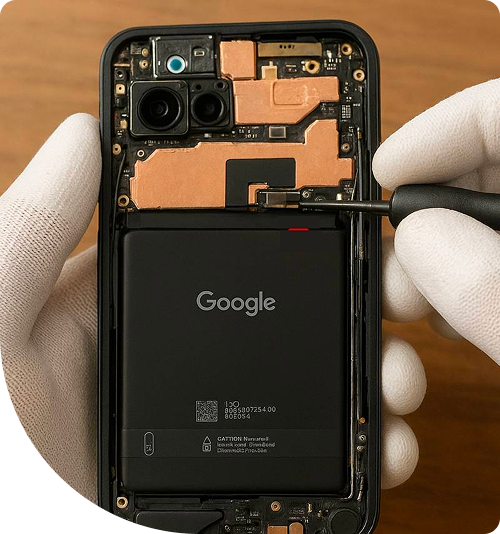
Is your Pixel giving you trouble? At The Fix in Laurel, MD, we handle Google repairs fast and hassle-free. From cracked screens to battery replacements, we use high-quality parts and provide free diagnostics so you know exactly what’s wrong before any repair begins.

Professional Google Repair Services
- Screen Repair & Replacement
- Battery Replacement
- Water Damage Repair
- Camera Repair
- Charging Port Repair
- Speaker & Microphone Repair
- Software Troubleshooting & Recovery
Professional Google Repair Services In The Fix in Walmart Laurel
Google Pixel Repair in Laurel, MD: What You're Actually Replacing (and What You're Not)
Google Pixel device owners in Laurel, MD frequently encounter repair scenarios where the option to replace the entire device seems simpler than identifying and fixing the root cause of failure. The regional user demographic—Fort Meade federal workers, NSA contractors, University of Maryland students, and I-95 corridor commuters—generates a substantial Pixel repair volume characterized by distinctive failure patterns that respond well to targeted repair approaches rather than replacement. The Tensor G2 and G3 chips powering modern Pixel devices exhibit thermal regulation failures under sustained load, PMIC power rail faults create diagnostic codes that can be resolved without device replacement, and OLED panel delamination at the OCA (optically clear adhesive) layer often affects only the display assembly rather than the entire device. Understanding when actual replacement becomes necessary versus when restoration through targeted repair makes sense helps Laurel residents make evidence-based decisions about device longevity.
The decision to replace a Google Pixel versus invest in repairs depends critically on understanding which components have actually failed and whether those failures can be isolated and addressed. Residents experiencing issues with Google Pixel repair in Laurel, MD benefit from professional diagnostics that distinguish between total device failure and isolated component degradation. Thermal regulation problems on Tensor chips often resolve through software optimization or thermal paste replacement; PMIC faults that trigger error codes can be rectified without component replacement; OLED delamination frequently requires only display assembly replacement rather than complete device replacement. Accurate diagnosis prevents unnecessary replacement expenses while ensuring your device receives the specific repairs that address your actual problem.
The Replacement Reflex
The replacement reflex emerges when Pixel device owners encounter persistent problems that they interpret as indicators that the entire device has failed beyond repair. Thermal regulation failures present as unexpected device shutdown during intensive applications, performance throttling during video recording or gaming, or repeated thermal warnings on the screen. Many users assume these symptoms mean the entire cooling system or processor has failed and begun replacement shopping. In reality, Tensor G2 and G3 chips employ sophisticated thermal management that can fail at the software or sensor level while the actual chip remains fully functional. PMIC (power management integrated circuit) faults trigger cryptic error codes that appear during startup or randomly during use; users interpret these codes as indicators of logic board failure and begin investigating replacement options. OLED panel delamination at the OCA layer appears as display discoloration, phantom touch input, or bands of incorrect color; many users assume these symptoms indicate the entire display and potentially the device has failed. Back glass thermal adhesive failure from heat cycling creates visible delamination where the glass begins separating from the aluminum chassis; users frequently believe this cosmetic issue indicates structural device failure and seek replacement rather than glass replacement alone.
The replacement reflex particularly affects Pixel users in Laurel because the regional climate accelerates specific failure modes that appear similar to catastrophic device failure. The Mid-Atlantic humidity exceeding 85% during summer months exposes the OLED panel's OCA adhesive layer to moisture infiltration; this combines with thermal cycling from daily movement between outdoor I-95 commutes and climate-controlled buildings to stress the adhesive layer beyond design specifications. Devices appear to show widespread display failure, yet only the adhesive layer has degraded; replacing the entire device when display assembly replacement would completely restore functionality represents a significant wasteful decision. Back glass thermal adhesive fails faster in Laurel than in drier climates because humidity reduces adhesive effectiveness while thermal cycling from temperature swings stresses the bond repeatedly. Users see the glass separating from the chassis and assume the internal structure has compromised; in reality, only the adhesive has failed. Tensor thermal regulation problems intensify in Laurel because the dramatic outdoor temperature combined with indoor climate control creates rapid thermal cycling that stresses thermal interface materials. Professional diagnostics that isolate the actual failure point—firmware issues causing thermal sensor false readings versus actual chip thermal degradation versus cooling system component failure—determine whether replacement is necessary or whether specific repair addresses the problem.
What's Actually Broken
What's actually broken in most Pixel repair cases involves understanding component-level failure hierarchy: which components must function for the device to work, which components enhance functionality but aren't critical, and which components can be replaced in isolation. Tensor G2/G3 chips represent core components; if the chip itself has physically failed (solder joint fractures, internal transistor failure), the device requires either logic board repair or replacement. However, thermal regulation failures typically originate at the sensor level (thermal sensor disconnection or calibration drift) or firmware level (thermal management algorithms triggering excessive throttling) rather than chip failure. PMIC power rail regulation failures represent critical failures if the PMIC chip itself has fractured; however, many PMIC error codes indicate connector contact corrosion or firmware power measurement calibration errors rather than chip failure. Distinguishing between these scenarios requires professional diagnostics that test power rails at specific points and measure actual voltages against specification.
OLED panel failures in Laurel show distinctive patterns based on whether delamination affects the entire panel or only specific layers. OCA (optically clear adhesive) layer delamination at the panel-to-glass interface creates air pockets that refract light, producing visible discoloration or phantom touch input where pressure on the affected area creates false input signals. This failure affects only the display assembly; the underlying logic board and all internal components remain fully functional. Digitizer flex cable micro-tears at the fold point (in foldable Pixel models) create intermittent touch input failure; replacing the digitizer cable restores full functionality without affecting other device components. Optical fingerprint sensor recalibration failures after screen swap create situations where the fingerprint sensor stops recognizing valid fingerprints; this represents a calibration issue between the sensor and the display, not a universal device failure. Back glass thermal adhesive failure manifests as visible glass separation that users interpret as structural damage; in reality, only the adhesive between glass and frame has failed. Replacing the back glass assembly completely restores the device without affecting internal components.
Digitizer OCA lamination separation creates a particularly distinctive failure mode that users frequently misinterpret as total display failure. The digitizer—the touch-sensing layer—is laminated to the OLED panel using OCA adhesive. When this adhesive fails, the digitizer can separate from the panel by millimeters; this separation prevents the touch sensor from functioning correctly, creating situations where the display is perfectly functional but unresponsive to touch input. Users experience complete inability to interact with the device despite the screen displaying information correctly. This situation appears to be total device failure, yet it requires only digitizer replacement. Humidity in Laurel accelerates OCA adhesive failure; the adhesive contains moisture-sensitive components that degrade more rapidly in 85%+ humidity environments than in drier regions. The summer thunderstorm season creates electrical surge events that damage adhesive chemical bonds, accelerating separation failures. Professional diagnostics can confirm whether OCA separation is the root cause by testing whether the display functions correctly when controlled by external input (connecting to a computer and using remote control commands) versus relying on touch input from the device itself.
The Restoration
The restoration process for Pixel devices begins by identifying the specific component that has failed and whether that component can be replaced in isolation or whether broader system restoration is required. Tensor thermal regulation problems often resolve through thermal paste replacement if the failure stems from thermal interface material degradation, or through firmware updates and thermal management algorithm adjustments if the failure is software-based. PMIC error codes frequently disappear after power rail connector contacts are cleaned of corrosion or after the device undergoes system reset that recalibrates power management firmware. Digitizer flex cable replacement restores full touch functionality for fold-point cable failures. Back glass replacement restores structural integrity and eliminates cosmetic issues without affecting internal device function. OLED panel display assembly replacement (including OCA adhesive, glass, and digitizer layers) restores full display functionality when delamination or adhesive failure has compromised multiple display layers.
Google Pixel device failures in Laurel often present as catastrophic failures requiring total device replacement when professional diagnostics reveal that targeted component replacement would completely restore functionality. Understanding which components have actually failed—and whether those failures can be isolated and addressed through component replacement—prevents unnecessary device replacement expenses. Technicians at The Fix in Walmart Laurel can perform diagnostics that pinpoint exact failure causes, distinguishing between component-level failures that respond to targeted repair and logic board failures that require more extensive intervention. Whether your issue stems from thermal regulation software problems, OLED delamination, digitizer flex cable failure, or back glass adhesive degradation, professional assessment determines whether replacement or repair makes sense for your specific situation and financial constraints.
Field Notes
Why does my Pixel shut down when I record video?
Tensor chip thermal regulation failure causes the device to shut down when sustained intensive processing generates heat. This can stem from Tensor thermal management firmware triggering excessive throttling, thermal sensor calibration drift causing false overheating readings, or actual cooling system inadequacy. Laurel's humidity and temperature cycling stress thermal interface materials, accelerating this failure. Diagnostics reveal whether the issue is firmware-based (requiring update), sensor-based (requiring calibration), or thermal material-based (requiring replacement). Identifying the specific cause determines whether the problem resolves through software intervention or component replacement.
What does PMIC error code mean for my device?
PMIC (power management integrated circuit) error codes indicate the device has detected a power rail irregularity, but the actual cause varies widely. Codes can result from connector contact corrosion reducing signal integrity, firmware power measurement calibration errors, or actual PMIC chip failure. Humidity in Laurel accelerates connector corrosion; summer thunderstorms create electrical surge damage to PMIC components. Professional diagnostics measure actual power rail voltages and compare against specification, revealing whether error codes reflect actual power management failure or measurement artifacts from sensor disconnection.
Why is my Pixel screen separating from the frame?
Back glass thermal adhesive failure creates visible separation where the glass peels away from the aluminum chassis. This represents adhesive degradation rather than structural device failure. Laurel's humidity and thermal cycling stress thermal adhesives continuously; the adhesive loses effectiveness faster than in drier climates. Separating glass doesn't affect internal device function; replacing the glass assembly restores the device without requiring logic board repair or replacement. Cosmetic damage sometimes triggers replacement reflex when simple glass replacement would restore full functionality.
Other Locations Near By You
The Fix in Clarksburg Premium Outlets
22705 Clarksburg Rd, Clarksburg, MD 20871, USA
The Fix in Walmart Frederick
7400 Guilford Dr, Frederick, MD 21704, United States
The Fix in Westfield Wheaton
11160 Veirs Mill Rd, Wheaton, MD 20902
The Fix in Walmart Landover Hills
6210 Annapolis Rd, Landover Hills, MD 20784, United States
The Fix in The Mall in Columbia
10300 Little Patuxent Pkwy #1708, Columbia, MD 21044, United States
The Fix in Towson Town Center
825 Dulaney Valley Rd, Towson, MD 21204, United States
The Fix in Westfield Montgomery
7101 Democracy Blvd #212B, Bethesda, MD 20817, United States
Your local repair experts for every device
From iPhones to gaming laptops, The Fix in Laurel, MD is your one-stop shop for device repair. Quick turnarounds, affordable prices, and local experts you can trust
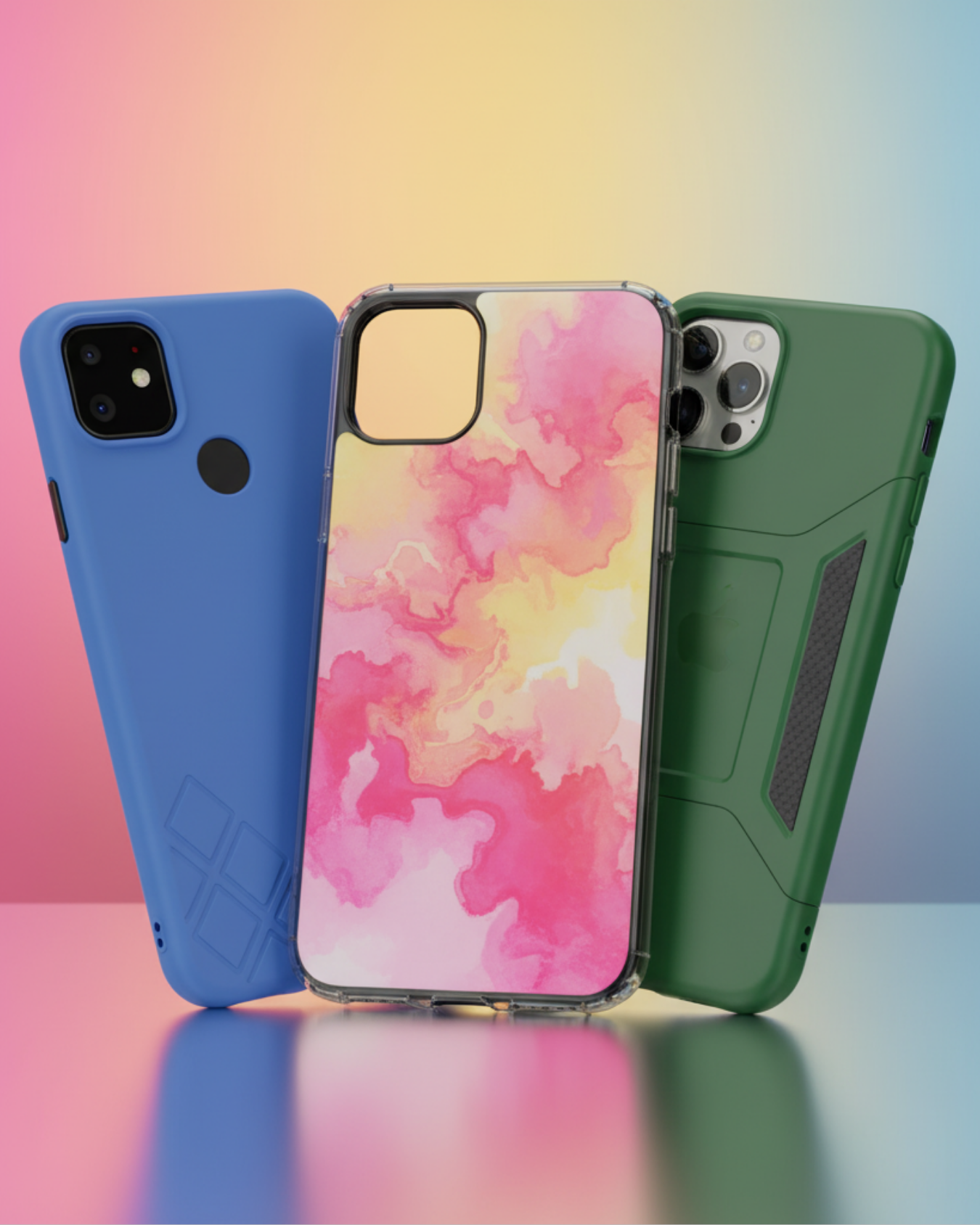
Phone Cases
Protect your device in style! At The Fix in Laurel, MD, we offer a wide selection of durable phone cases for all major brands—sleek designs that keep your phone safe and looking great.

Nintendo Switch Repair
Cracked Nintendo Switch screen? We repair Switch devices in Laurel, MD quickly and affordably. Fast, easy, and always with high-quality parts.

MacBook Repair
For broken screens, battery replacements, or other issues, The Fix in Laurel, MD provides quick MacBook repairs with premium parts.

PlayStation Repair
Is your PlayStation giving you trouble? At The Fix in Laurel, MD, we handle PlayStation repairs with care and quality parts—no long waits, no hassle.

Tablet Repair
Whether your tablet screen is cracked or the battery won’t hold a charge, The Fix in Laurel, MD provides fast, affordable tablet repairs with free diagnostics.

Computer Repair
Need PC or desktop service in Laurel, MD? We provide free diagnostics and affordable repairs, always with high-quality parts.

Game Console Repair
From Nintendo Switch® to PlayStation and Xbox, The Fix in Laurel, MD repairs all major game consoles. Fast service and dependable results.

Laptop Repair
Got a broken laptop? The Fix In Laurel, MD, our team repairs most laptop brands and models using high-quality replacement parts.

iPad Repair
Need your iPad fixed? At The Fix in Laurel, MD, we repair cracked screens, charging issues, and more—always using high-quality parts for lasting results.

Cell Phone Repair
We repair all major phone brands in Laurel, MD. iPhone, Samsung, Google, and more—get your phone fixed fast.

iPhone Repair
Cracked screen? Battery draining too fast? Our team in Laurel, MD repairs iPhones with precision and high-quality parts to make your device feel new again.

Samsung Repair
Whether it’s a Galaxy screen replacement or a charging issue, The Fix in Laurel, MD offers fast and reliable Samsung repairs.

Xbox Repair
Xbox not working properly? Our team in Laurel, MD offers quick, reliable Xbox repairs with free diagnostics and high-quality replacement parts.


Trusted repair solution for mobile phones, tablets, gaming consoles, and computer systems. We provide fast, reliable, and affordable repair services to get your devices back in perfect working condition.
The Fix is an independent repair service provider and is not affiliated with, sponsored by, or endorsed by Apple Inc., Samsung Electronics, Google LLC, or any other device manufacturer. We use high-quality compatible replacement parts unless explicitly stated. All trademarks are property of their respective owners.


© Copyright The Fix Solutions All rights reserved 2026.
Design by Deepcoder