




Samsung Repair in The Fix in Paramus Park
From cracked Galaxy screens to battery problems, The Fix in Paramus, NJ provides fast Samsung repairs with free diagnostics and high-quality parts.

Professional Samsung Repair Services
- Battery Replacement
- Water Damage Repair
- Screen Repair & Replacement
- Camera Repair
- Charging Port Repair
- Speaker & Microphone Repair
- Software Troubleshooting & Recovery
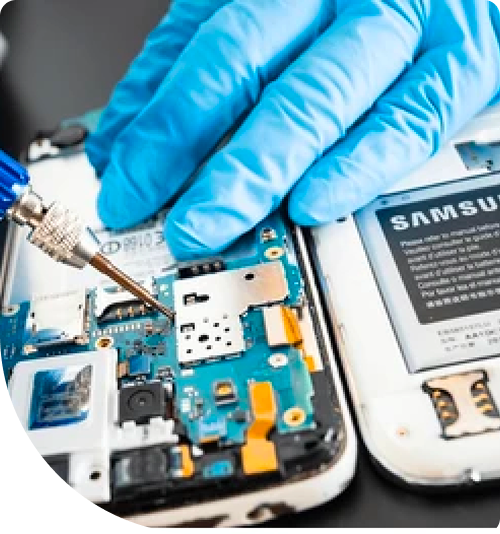
Professional Samsung Repair Services In The Fix in Paramus Park
Need Samsung Repair in Paramus, NJ 07652?
Your Galaxy phone displays a permanent vertical green line down the screen's center during an important video call with colleagues across Bergen County, disrupting visibility and forcing you to tilt the device awkwardly. Or perhaps you notice the battery draining from full charge to critical levels within hours despite minimal usage, leaving you tethered to chargers near Route 17 offices throughout your workday. Samsung devices—from Galaxy S flagships to Note productivity powerhouses and foldable innovations—integrate sophisticated hardware requiring specialized repair knowledge. When you need expert Samsung Repair in Paramus, NJ, understanding whether you're dealing with AMOLED display degradation, Knox security complications, S Pen digitizer issues, or battery management failures determines repair approach and whether your encrypted data, Samsung account, and biometric security remain intact throughout service.
Samsung's Android ecosystem offers exceptional hardware diversity—curved Infinity Displays, ultrasonic fingerprint sensors, advanced camera arrays, and S Pen integration on select models. However, this sophistication creates repair scenarios where component replacement must preserve device-specific calibrations, security features, and accessory compatibility. At 700 Paramus Park, Paramus, NJ 07652, we approach Samsung repair as platform-specific service, understanding model variations, utilizing proper calibration tools, and following procedures that maintain Knox security status and hardware authentication.
Why does a green or pink line appear on Samsung AMOLED displays?
Vertical colored lines on Samsung Galaxy screens—typically green, pink, or white—represent a specific AMOLED panel failure mode distinct from simple cracks or general display damage. These lines appear suddenly, persist regardless of content displayed, and often spread or multiply over time. Understanding AMOLED architecture explains why this failure pattern occurs and why it requires complete display assembly replacement.
AMOLED panels consist of organic light-emitting diodes arranged in a pixel matrix. Each pixel contains red, green, and blue sub-pixels controlled by thin-film transistors. These components connect to the display controller via flex cables carrying row and column signals. A single vertical line indicates failure in one column driver circuit—either within the COF (Chip-On-Flex) cable bonded to the display edge or in the display controller chip itself.
The failure mechanism typically involves electrical overstress or physical trauma. Drops near Garden State Plaza that don't crack the glass can still damage internal connections. Alternatively, manufacturing defects in the COF bonding process create weak points that fail after months of thermal cycling. Once a column driver fails, every pixel in that vertical line receives incorrect signals—commonly displaying full green intensity regardless of image content, creating the characteristic bright green line.
These lines progress over time as adjacent column drivers experience stress from the initial failure. What begins as a single line often multiplies into two, three, or more lines as neighboring circuits degrade. The AMOLED panel's organic materials continue degrading around the failure point, expanding the affected area. Unlike dead pixels that might remain stable, these line failures actively worsen without intervention.
Repair requires complete display assembly replacement. The COF cable integrates permanently into the display during manufacturing—separating it destroys the AMOLED panel structure. We source display assemblies matching your specific Galaxy model and generation, ensuring compatibility with curved edges on S and Note series devices, high refresh rates on flagship models, and proper integration with ultrasonic fingerprint sensors embedded beneath certain displays.
Post-installation requires fingerprint sensor recalibration on devices using ultrasonic technology. These sensors create sound waves that penetrate the display glass to map fingerprint ridges. The new display's thickness and acoustic properties differ slightly from the existing screen, requiring calibration adjustments so the sensor receives clear fingerprint data through the replacement glass. Without this calibration, fingerprint recognition becomes unreliable or non-functional.
What causes Samsung phones to display moisture detection warnings?
The persistent "Moisture detected in charging port" notification prevents charging via cable despite the phone being completely dry. This frustrating issue affects Galaxy devices across multiple generations, indicating the charging port's humidity sensor triggered false positive detection. Understanding the sensor's purpose and failure modes helps determine whether cleaning, calibration, or component replacement resolves the issue.
Samsung implements moisture detection as a safety feature preventing short circuits when users attempt charging wet devices. The USB-C port contains a humidity sensor monitoring for conductive liquid between charging pins. When moisture presence is detected, the phone disables charging via cable to prevent electrical shorts that could damage the port or motherboard. The feature protects hardware but creates problems when false positives occur.
False moisture detection stems from several causes. Corrosion on the port's internal pins creates conductive paths the sensor interprets as moisture. Residue from sugary drinks or contaminated water leaves ionic deposits that remain conductive even after the liquid evaporates. High humidity environments near New Jersey coastlines or humid summer conditions in Paramus can trigger sensitive sensors. Debris compacted in the port—lint or dust containing moisture—creates detection conditions despite the phone itself being dry.
The sensor's sensitivity means minor contamination triggers warnings. Sweat from phone use during workouts near Van Saun Park, condensation from temperature changes moving between air-conditioned buildings and outdoor heat, or even high ambient humidity can activate detection. Once triggered, the warning persists until the sensor confirms complete dryness—which may take hours or days depending on environmental conditions.
We address false moisture detection through systematic cleaning. Microscope inspection identifies corrosion, debris, or residue within the port. Ultrasonic cleaning removes ionic contamination and compacted debris without damaging the delicate pins. For ports showing corrosion beyond cleaning capability, we replace the entire USB-C port assembly—this modular component includes the port, primary microphone, and cellular antenna connections, restoring all functions simultaneously.
In cases where cleaning and replacement don't resolve persistent warnings, the issue may lie in the port's control chip on the motherboard. This integrated circuit processes sensor data and communicates moisture status to the system. Chip-level failures require microsoldering expertise to replace the faulty component, a more complex repair than simple port replacement but necessary when the port hardware itself functions correctly but detection logic fails.
How does Knox security affect repair procedures and device functionality?
Samsung Knox represents a hardware-backed security platform protecting sensitive data through encryption, secure boot verification, and hardware attestation. Knox creates complications during repair because certain component changes or unauthorized modifications permanently trip the Knox counter—an irreversible hardware flag indicating the device's security status has been compromised. Understanding Knox implications helps users make informed repair decisions.
The Knox counter exists as a hardware e-fuse on the motherboard. Once tripped, it cannot be reset—the flag remains permanently even if the triggering modification reverses. Tripped Knox counters prevent certain Samsung services from functioning: Samsung Pay, Secure Folder, and some enterprise mobile device management features check Knox status and refuse to operate if the counter shows any trips. This creates situations where repair-related counter trips render specific features permanently non-functional.
Not all repairs trip Knox. Simple component replacements like screens, batteries, or charging ports done without modifying system software or bootloader leave Knox intact. However, unauthorized firmware modifications, bootloader unlocking, or installing custom recovery systems trip the counter immediately. Some third-party repairs attempting to bypass hardware authentication or modify system partitions can inadvertently trigger Knox.
We perform Samsung repairs using procedures that preserve Knox integrity. Component replacements follow Samsung-approved methods avoiding software modifications or bootloader access. Display assemblies, battery modules, and port assemblies replace as hardware components without system-level changes. This approach maintains Knox status for users requiring Samsung Pay, Secure Folder, or corporate mobile device management compatibility.
For devices with already-tripped Knox counters from previous modifications or repairs, we inform users that Knox-dependent features won't function regardless of hardware repairs performed. The device operates normally for general use—calls, apps, photography—but Samsung Pay and Secure Folder remain permanently disabled by the tripped counter. Users must weigh this limitation against repair value when deciding whether to proceed with service on Knox-tripped devices.
Why do Galaxy devices experience rapid battery drain or swelling?
Battery performance degradation manifests in two primary ways: capacity loss causing short runtime between charges, or physical swelling creating visible device distortion. Both conditions stem from lithium-ion battery chemistry degradation but require different urgency levels in addressing—capacity loss creates inconvenience, while swelling represents safety hazards demanding immediate attention.
Normal battery aging occurs through charge cycle accumulation. Samsung's lithium-ion cells typically deliver 80% of design capacity after 500-1000 full charge cycles depending on battery quality and usage patterns. Heavy users near Route 4 offices who charge multiple times daily accumulate cycles faster than casual users, reaching degradation thresholds within two years versus four or more years for light users. Each cycle involves lithium ion movement between electrodes, gradually degrading electrode materials and electrolyte composition.
Capacity loss appears as progressively shorter runtime. What initially provided full-day operation requires midday charging, then can't complete a workday even with minimal use. The battery percentage indicator becomes unreliable—showing 50% remaining, then jumping to 10% minutes later as the degraded cells cannot maintain voltage under processing loads. Eventually, the device shuts down "unexpectedly" despite showing charge remaining because the battery voltage collapses when the processor demands peak current.
Battery swelling represents a more serious failure. As lithium-ion chemistry degrades, gas generation occurs within the sealed battery pouch. This decomposition accelerates under thermal stress—phones left in hot vehicles during New Jersey summers or used extensively for gaming and video recording near Ridgewood generate heat that speeds degradation. The flexible pouch expands from internal gas pressure, creating visible bulging that pushes the screen outward or separates the back glass from the frame.
Swollen batteries demand immediate service. The expanding cell exerts pressure on surrounding components—potentially cracking the display from behind, damaging flex cables, or stressing the motherboard. Continued swelling risks pouch rupture, exposing reactive lithium compounds to air and moisture. While catastrophic thermal events remain relatively rare, swollen batteries represent fire hazards that worsen over time.
We perform battery replacement through complete device disassembly. Samsung devices use strong adhesive securing batteries to the internal frame. We apply controlled heat and isopropyl alcohol to soften adhesive, allowing safe extraction without puncturing the cell—damaged batteries can vent toxic fumes or ignite. Swollen batteries require particular care as the inflated pouch creates greater puncture risk during removal.
After extracting the compromised battery, we inspect the frame for pressure-induced warping. Severe swelling permanently deforms aluminum frames, requiring straightening before installing replacement batteries. We also examine the display assembly for internal cracks from battery pressure—damage here might not appear immediately but causes premature screen failure after battery replacement if undetected.
What happens when S Pen functionality fails on Note devices?
Galaxy Note devices integrate S Pen stylus functionality through specialized digitizer technology embedded within the display. When S Pen stops working—the phone doesn't recognize pen input, Air Command doesn't launch, or pressure sensitivity fails—the issue could involve the pen itself, the digitizer layer, or the display controller managing pen communication. Distinguishing between these failure points determines repair approach.
The S Pen uses Electro-Magnetic Resonance technology rather than capacitive touch. The digitizer layer beneath the display contains a grid of coils generating electromagnetic fields. The S Pen's internal coil resonates with these fields, allowing the phone to detect pen position, pressure, and button states without requiring pen battery power. This sophisticated system enables precise input for note-taking near New Bridge Medical Center offices or digital art creation.
S Pen hardware failures occur but remain relatively rare. The pen's internal coil can break from drops or physical stress, or the pen tip spring mechanism can wear out affecting pressure detection. Testing with a confirmed functional S Pen from an identical device model eliminates pen-specific issues—if the known-good pen works correctly, the existing pen hardware failed and requires replacement.
Digitizer failure represents more common issues. The EMR grid integrating into the display assembly can suffer damage from impacts that don't crack the screen glass. Physical trauma disrupts coil connections or damages the controller chip processing pen signals. Digitizer failures manifest as dead zones where the pen won't register, erratic cursor positioning, or complete lack of pen detection across the entire screen.
Display controller issues present similarly to digitizer problems but stem from the integrated circuit managing both touch and pen input. Controller failures might affect both finger touch and S Pen simultaneously, or selectively disable pen functionality while touch continues working. We diagnose controller versus digitizer problems through systematic testing—checking whether finger touch responds correctly, testing pen across all screen regions, and monitoring for specific error patterns suggesting controller logic failures.
For confirmed digitizer or controller failures, display assembly replacement becomes necessary. The EMR digitizer integrates permanently into Note series displays during manufacturing—it cannot separate for individual repair. We source display assemblies with integrated functional digitizers, ensuring full S Pen capability restoration. Post-repair, we calibrate pen pressure sensitivity and test Air Command feature activation to verify complete functionality restoration.
Why choose local expertise for Samsung device service?
Samsung's Android ecosystem spans dozens of models with hardware variations—curved versus flat displays, ultrasonic versus optical fingerprint sensors, S Pen versus standard touch, foldable versus traditional form factors. This diversity demands model-specific knowledge and appropriate tools. Our Paramus Park location provides access to technicians experienced across Galaxy device generations, understanding the specific quirks and common failure modes affecting S series, Note series, A series, and foldable devices.
Same-day diagnostics mean you understand your device's specific issue before your workday ends. We identify whether your green line stems from display failure, your moisture warning indicates port corrosion, or your battery drain represents capacity degradation versus background app issues. Common repairs like battery replacement or charging port service complete within 24-48 hours. Display replacements requiring fingerprint recalibration may take 2-3 days ensuring proper sensor function. Complex motherboard repairs involving microsoldering complete within 3-5 days with progress updates.
Direct communication eliminates confusion about Knox security status, fingerprint sensor compatibility, or S Pen functionality preservation. We explain technical findings clearly—why your AMOLED developed lines, how Knox affects feature availability, or what caused battery swelling—helping you understand not just the repair but device maintenance practices preventing future failures.
Maintaining Galaxy Device Functionality
Samsung device failures—AMOLED lines, moisture detection errors, battery degradation, or S Pen issues—represent specific component faults with proven solutions. Knox security requires careful repair procedures, fingerprint sensors need recalibration after display replacement, and EMR digitizers integrate into screen assemblies. Visit us at 700 Paramus Park, Paramus, NJ 07652, where we'll diagnose your Galaxy device's exact issue and explain repair options while preserving security features and hardware functionality.
Frequently Asked Questions
Q: Will screen replacement disable Samsung Pay on my Galaxy device in Paramus, NJ?
A: Screen replacement performed without modifying software or bootloader leaves Knox security intact, preserving Samsung Pay functionality. We replace display assemblies as hardware components without accessing system partitions or security features. However, if your Knox counter previously tripped from earlier modifications or unauthorized repairs, Samsung Pay remains non-functional regardless of our hardware repairs. We check Knox status during diagnostic inspection and inform you before proceeding.
Q: My Galaxy phone shows moisture detected but it's completely dry—how do I fix this near Route 17?
A: False moisture detection typically indicates port contamination or corrosion rather than actual liquid presence. We perform microscope inspection identifying residue, corrosion, or debris triggering the sensor. Ultrasonic cleaning removes contamination restoring normal detection. For ports with corrosion beyond cleaning capability, port assembly replacement resolves persistent false positives. Avoid using wireless charging exclusively as a workaround—the underlying port contamination can worsen over time causing additional connection issues.
Q: Can you fix the S Pen if it stopped working after I dropped my Note?
A: S Pen failures require systematic diagnosis. We first test your pen with a confirmed functional Note device—if it works correctly, your phone's digitizer failed. If your pen doesn't work on any device, the pen's internal EMR coil broke. Digitizer failures require display assembly replacement as the EMR layer integrates permanently into the screen. Broken S Pens need stylus replacement. We identify the specific failure point through testing before recommending display replacement or pen replacement.
Other Locations Near By You
The Fix in American Dream in East Rutherford
1 American Dream Wy, East Rutherford, NJ 07073
The Fix in Bridgewater Commons
400 Commons Way, Bridgewater Township, NJ 08807, United States
The Fix in The Mills at Jersey Gardens
651 Kapkowski Rd Elizabeth, NJ 07201
The Fix in Walmart Vineland
1070 W Landis Ave, Vineland, NJ 08360, United States
The Fix in Walmart Riverdale
48 NJ-23, Riverdale, NJ 07457
The Fix Kiosk in Bridgewater Commons
400 Commons Way Suite 7504, Bridgewater, NJ 08807, USA
The Fix in Deptford Mall
1750 Depford Center Road, Deptford, NJ
The Fix in Hoboken
131 Washington St, Hoboken NJ 07030
Your local repair experts for every device
From iPhones to gaming laptops, The Fix in Paramus, NJ is your one-stop shop for device repair. Quick turnarounds, affordable prices, and local experts you can trust
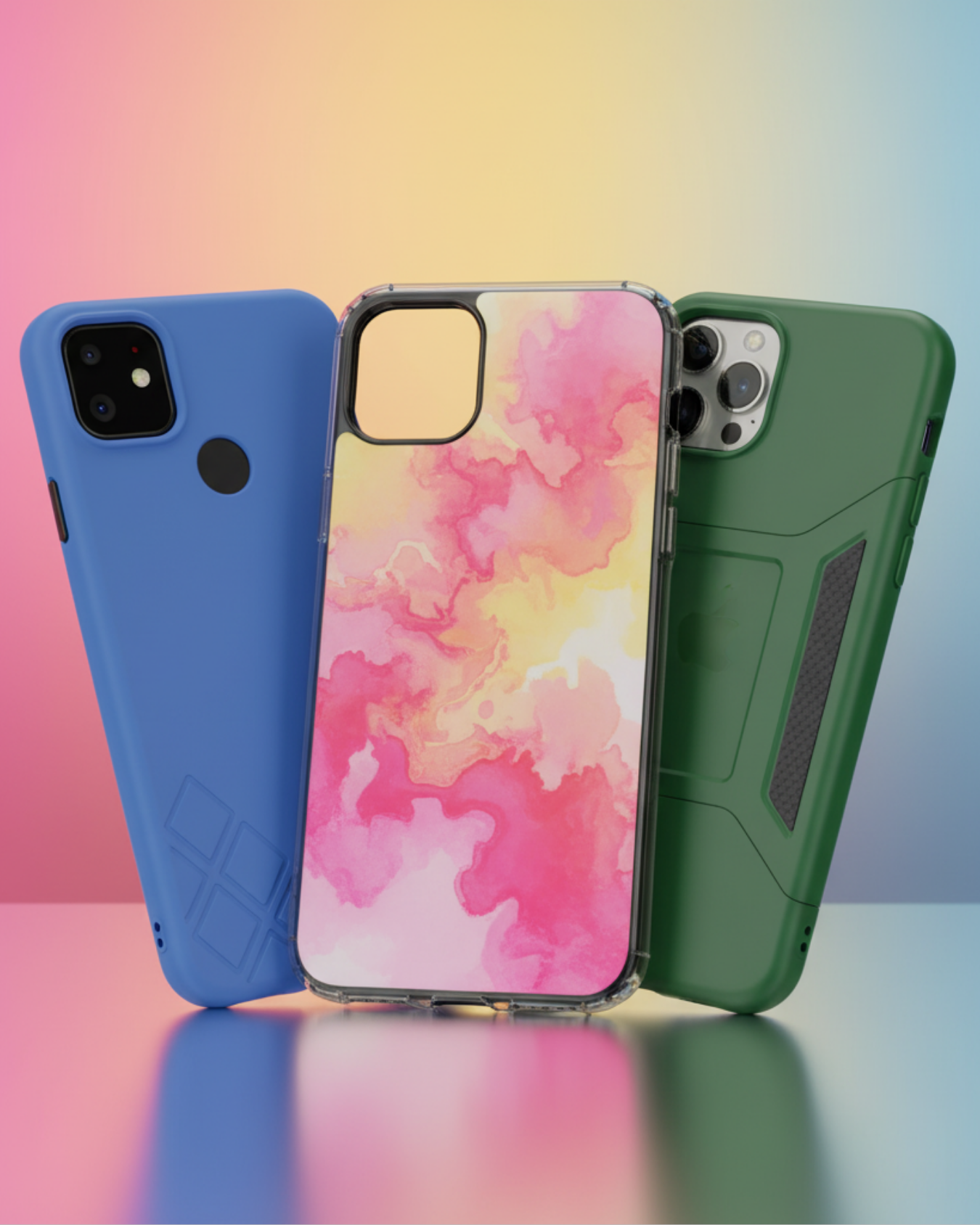
Phone Cases
Protect your device in style! At The Fix in Paramus, NJ, we offer a wide selection of durable phone cases for all major brands—sleek designs that keep your phone safe and looking great.

Nintendo Switch Repair
Cracked Nintendo Switch screen? We repair Switch devices in Paramus, NJ quickly and affordably. Fast, easy, and always with high-quality parts.

MacBook Repair
For broken screens, battery replacements, or other issues, The Fix in Paramus, NJ provides quick MacBook repairs with premium parts.

PlayStation Repair
Is your PlayStation giving you trouble? At The Fix in Paramus, NJ, we handle PlayStation repairs with care and quality parts—no long waits, no hassle.
Google Repair
Need your Google Pixel fixed? At The Fix in Paramus, NJ, we repair cracked screens, charging issues, and more—always using high-quality parts for lasting results.

Tablet Repair
Whether your tablet screen is cracked or the battery won’t hold a charge, The Fix in Paramus, NJ provides fast, affordable tablet repairs with free diagnostics.

Computer Repair
Need PC or desktop service in Paramus, NJ? We provide free diagnostics and affordable repairs, always with high-quality parts.

Game Console Repair
From Nintendo Switch® to PlayStation and Xbox, The Fix in Paramus, NJ repairs all major game consoles. Fast service and dependable results.

Laptop Repair
Got a broken laptop? The Fix In Paramus, NJ, our team repairs most laptop brands and models using high-quality replacement parts.

iPad Repair
Need your iPad fixed? At The Fix in Paramus, NJ, we repair cracked screens, charging issues, and more—always using high-quality parts for lasting results.

Cell Phone Repair
We repair all major phone brands in Paramus, NJ. iPhone, Samsung, Google, and more—get your phone fixed fast.

iPhone Repair
Cracked screen? Battery draining too fast? Our team in Paramus, NJ repairs iPhones with precision and high-quality parts to make your device feel new again.

Xbox Repair
Xbox not working properly? Our team in Paramus, NJ offers quick, reliable Xbox repairs with free diagnostics and high-quality replacement parts.


Trusted repair solution for mobile phones, tablets, gaming consoles, and computer systems. We provide fast, reliable, and affordable repair services to get your devices back in perfect working condition.
The Fix is an independent repair service provider and is not affiliated with, sponsored by, or endorsed by Apple Inc., Samsung Electronics, Google LLC, or any other device manufacturer. We use high-quality compatible replacement parts unless explicitly stated. All trademarks are property of their respective owners.


© Copyright The Fix Solutions All rights reserved 2026.
Design by Deepcoder