






Cell Phone Repair in The Fix in Walmart Midlothian
Broken phone? No problem. At The Fix in Midlothian, VA, we repair all major cell phone brands—from iPhone and Samsung to Google and more. With free diagnostics and high-quality parts, we make it easy to get your phone working like new.
Professional Cell Phone Repair Services
- Screen Repair & Replacement
- Battery Replacement
- Water Damage Repair
- Camera Repair
- Charging Port Repair
- Speaker & Microphone Repair
- Software Troubleshooting & Recovery
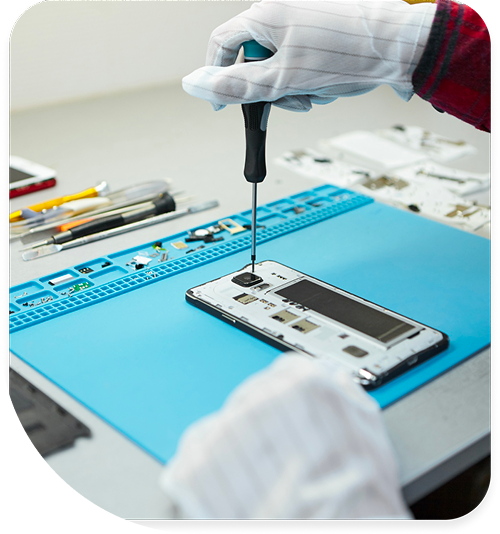
Professional Cell Phone Repair Services In The Fix in Walmart Midlothian
Cell Phone Repair in Midlothian, VA: What Chesterfield County's Humidity Does to a Phone With Existing Damage
A cell phone with existing damage — a cracked screen, a worn port seal, or a housing gap from a previous drop — is carrying an active vulnerability through Midlothian's climate. Virginia's year-round humidity, the daily condensation events of a Chesterfield County summer, and the occasional ice event in January all work at that vulnerability continuously.
Most requests for cell phone repair in Midlothian, VA in Midlothian that involve internal moisture damage trace to an existing vulnerability that the local climate exploited over weeks or months — not a single submersion or rain event.
What Midlothian's Humidity Does at a Damage Site
Midlothian's humid subtropical climate means the air surrounding a damaged phone carries significant moisture from June through September, with lower but still meaningful humidity through the rest of the year. A cracked screen provides a direct moisture entry path into the display assembly. The adhesive at the fracture edge begins weakening from the first humid day after the crack appears. Cell phone repair in Midlothian, VA for display issues that developed gradually after a crack reflects this humidity-driven adhesive progression rather than a second impact event.
The daily condensation event of a Midlothian summer — cool phone brought outside into hot, humid air, or hot phone brought into air conditioning — provides a small but consistent moisture source at any unsealed entry point. Over a Virginia summer, this daily condensation cycling reaches the charging circuit and battery connector through port seals that are worn or impact-compromised. Cell phone repair in Midlothian for charging issues or erratic battery behavior that appeared through summer is this condensation accumulation rather than port wear alone.
What Winter's Ice Events Add
Mid-Atlantic ice storms in January and February bring conditions specific to Virginia winters: not heavy snow, but freezing rain and sleet that coat surfaces with ice. Phones used outdoors during an ice event — checking a rideshare, navigating a parking lot, handling tasks outside the Walmart on Chattanooga Plaza — are exposed to freezing moisture at any existing damage site. Cell phone repair in Midlothian, VA for display or port issues that appeared after a January or February ice event reflects this freezing moisture infiltration through pre-existing damage.
Power outages from ice storm events in Chesterfield County are common in significant winter weather. Phones that are connected to charging equipment during a power restoration event may experience a surge through the charging circuit. Cell phone repair in Midlothian for charging port issues that appeared after a winter power event should be assessed for surge damage to the charging integrated circuit before port replacement alone is attempted.
Cold temperatures from Virginia's winter reduce battery capacity temporarily. A phone with a battery that was already degraded — from a summer of hot-car exposure or from impact stress — shows more pronounced winter capacity decline than a healthy battery. Cell phone repair in Midlothian for battery replacement is most commonly requested in winter, when the combination of existing degradation and cold-temperature suppression makes the reduced capacity most apparent.
The Repair Window
Cell phone repair in Midlothian for humidity-related damage is most effective when the vulnerability is addressed before the high-humidity summer season. A cracked screen in April is entering the highest-risk period of the Midlothian year — the June-through-September period of sustained heat, humidity, and daily condensation events. Addressing any existing damage before summer begins is the most cost-effective approach in Chesterfield County's climate.
Walk-ins are welcome. cell phone repair in Midlothian at The Fix inside Walmart at Chattanooga Plaza handles cell phone screen, port, and battery assessment for all makes and models. If the phone has any existing damage heading into a Midlothian summer, addressing it before June is the practical timing.
Field Notes from Midlothian
My phone works fine but has a crack. How urgent is repair before summer in Midlothian?
In Midlothian's climate, a crack in spring is entering the highest-risk period of the year. June through September brings sustained heat, high humidity, and daily condensation events that work at the fracture site continuously. The same crack that would take many months to progress to internal damage in a stable-humidity climate will progress faster in Chesterfield County's summer conditions. Addressing it before June is the most cost-effective timing.
How do I know if my charging port needs cleaning or replacement?
Cleaning is almost always the first step. A port that charges slowly or inconsistently — particularly one that has been through a Midlothian spring pollen season and summer — has accumulated debris that prevents full cable seating. Cleaning resolves this at the accumulation stage. If the connection remains inconsistent after cleaning, the contacts themselves are assessed for wear or corrosion before replacement is committed.
My phone's battery drains faster in winter than in summer. Is the battery bad?
Cold temperatures temporarily reduce lithium-ion capacity — a battery that holds 6 hours of charge in September may hold 4 hours in January with the same state of health. If the capacity returns to normal in spring, the winter decline was temporary cold suppression. If the capacity doesn't recover in warmer weather, the battery has permanent degradation that the winter cold was amplifying. A battery assessment identifies which situation applies.
Other Locations Near By You
The Fix in Walmart Williamsburg
731 E Rochambeau Dr, Williamsburg, VA 23188, United States
The Fix in Walmart Fredericksburg
10001 Southpoint Pkwy, Fredericksburg, VA 22407, United States
The Fix in Walmart Short Pump
11400 W Broad St Rd, Glen Allen, VA 23060
The Fix in Walmart Newport News
12401 Jefferson Ave, Newport News, VA 23602, United States
The Fix in Walmart Stafford
217 Garrisonville Rd Stafford, VA 22554
The Fix in Walmart Colonial Heights
671 Southpark Blvd, Colonial Heights, VA 23834, United States
The Fix in Greenbrier Mall
1401 Greenbrier Pkwy, Chesapeake, VA 23320
The Fix in Walmart Chester
12000 Iron Bridge Rd, Chester, VA 23831, United States
The Fix in Potomac Mills
2700 Potomac Mills Cir, Woodbridge, VA 22192, USA
The Fix in Walmart Richmond
2410 Sheila Ln, Richmond, VA 23225, United States
Your local repair experts for every device
From iPhones to gaming laptops, The Fix in Midlothian, VA is your one-stop shop for device repair. Quick turnarounds, affordable prices, and local experts you can trust

Phone Cases
Protect your device in style! At The Fix in Midlothian, VA, we offer a wide selection of durable phone cases for all major brands—sleek designs that keep your phone safe and looking great.

Nintendo Switch Repair
Cracked Nintendo Switch screen? We repair Switch devices in Midlothian, VA quickly and affordably. Fast, easy, and always with high-quality parts.

MacBook Repair
For broken screens, battery replacements, or other issues, The Fix in Midlothian, VA provides quick MacBook repairs with premium parts.

PlayStation Repair
Is your PlayStation giving you trouble? At The Fix in Midlothian, VA, we handle PlayStation repairs with care and quality parts—no long waits, no hassle.
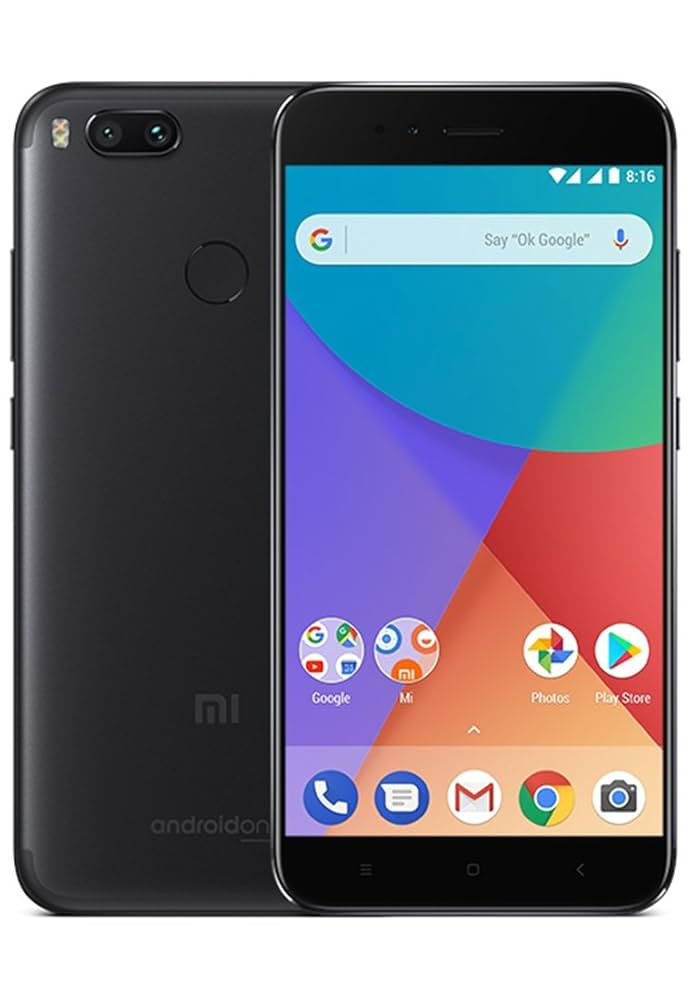
Google Repair
Need your Google Pixel fixed? At The Fix in Midlothian, VA, we repair cracked screens, charging issues, and more—always using high-quality parts for lasting results.

Tablet Repair
Whether your tablet screen is cracked or the battery won’t hold a charge, The Fix in Midlothian, VA provides fast, affordable tablet repairs with free diagnostics.

Computer Repair
Need PC or desktop service in Midlothian, VA? We provide free diagnostics and affordable repairs, always with high-quality parts.

Game Console Repair
From Nintendo Switch® to PlayStation and Xbox, The Fix in Midlothian, VA repairs all major game consoles. Fast service and dependable results.

Laptop Repair
Got a broken laptop? The Fix In Midlothian, VA, our team repairs most laptop brands and models using high-quality replacement parts.

iPad Repair
Need your iPad fixed? At The Fix in Midlothian, VA, we repair cracked screens, charging issues, and more—always using high-quality parts for lasting results.

iPhone Repair
Cracked screen? Battery draining too fast? Our team in Midlothian, VA repairs iPhones with precision and high-quality parts to make your device feel new again.

Samsung Repair
Whether it’s a Galaxy screen replacement or a charging issue, The Fix in Midlothian, VA offers fast and reliable Samsung repairs.

Xbox Repair
Xbox not working properly? Our team in Midlothian, VA offers quick, reliable Xbox repairs with free diagnostics and high-quality replacement parts.


Trusted repair solution for mobile phones, tablets, gaming consoles, and computer systems. We provide fast, reliable, and affordable repair services to get your devices back in perfect working condition.
The Fix is an independent repair service provider and is not affiliated with, sponsored by, or endorsed by Apple Inc., Samsung Electronics, Google LLC, or any other device manufacturer. We use high-quality compatible replacement parts unless explicitly stated. All trademarks are property of their respective owners.


© Copyright The Fix Solutions All rights reserved 2026.
Design by Deepcoder