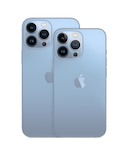





iPhone Repair in The Fix in Walmart Newport News
Need iPhone repair in Newport News, VA? Our technicians provide quick fixes for screens, batteries, and more.
Professional iPhone Repair Services
- Battery Health Check & Replacement
- Water Damage Repair
- Face ID & Touch ID Repair
- Camera & Speaker Repair
- Screen Replacement
- iCloud Unlock Assistance
- iOS Troubleshooting & Recovery
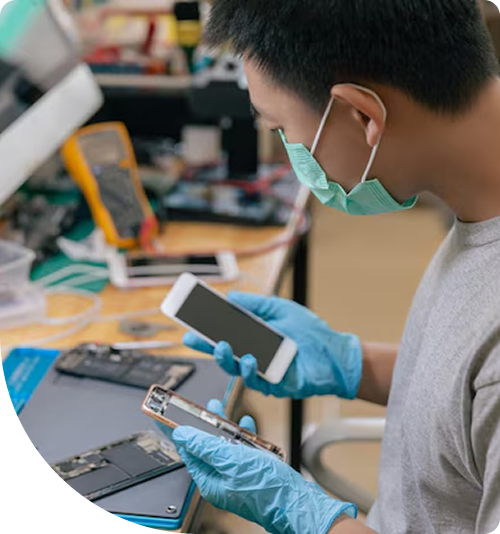
Professional iPhone Repair Services In The Fix in Walmart Newport News
iPhone Repair in Newport News, VA: Water Resistance Limits and Salt Water Damage in Hampton Roads
iPhones carry IP water resistance ratings that create a reasonable expectation of moisture protection in everyday use — but these ratings have limitations that are particularly relevant in Newport News's coastal environment. The IP rating describes the performance of the adhesive sealing system at the time of manufacture, not after two or three years of use and thermal cycling in Tidewater Virginia. And the rating describes fresh water resistance; salt water is meaningfully more corrosive and penetrates degraded seals more readily than fresh water does. Newport News's combination of salt air, coastal rain, summer humidity, and proximity to the James River and Chesapeake Bay creates the exact conditions where the gap between IP ratings and real-world coastal performance becomes apparent.
The damage chain that coastal moisture exposure drives through iPhone hardware is what most iphone repair in Newport News, VA work at this location addresses.
iPhone Seal Degradation in the Newport News Coastal Environment
The adhesive compounds that seal the iPhone display and the SIM tray have a service life that shortens with thermal cycling and environmental exposure. In Newport News's climate, that shortening is more pronounced than in a dry inland market: the combination of summer heat, high ambient humidity, and salt-ionic air exposure degrades the sealing compounds faster. An iPhone at two to three years of Newport News use has meaningfully reduced seal integrity compared to when it was new. It has not lost water resistance entirely — but the margin between the IP rating and the point of intrusion is narrower.
The practical consequence of seal degradation is that a Newport News iPhone that encounters coastal rain, waterfront spray, or any meaningful moisture event in its third year or beyond is more vulnerable than the IP rating would suggest to a user unfamiliar with seal aging. Newport News residents who use their iPhone near the James River waterfront, at waterfront parks, on boats in Hampton Roads, or during summer rain events are using the phone in conditions that test degraded seals rather than the fresh seals the IP rating was tested against.
Salt Water Intrusion and the Corrosion Chain
When salt-laden moisture reaches the iPhone interior past degraded seals, the damage chain accelerates faster than fresh water intrusion would. Salt water is an electrolyte — it conducts electricity between circuit traces and component contacts, creating corrosion pathways. The logic board of an iPhone that has experienced salt water or salt-spray intrusion shows corrosion on the contact pads of capacitors and resistors within hours rather than the days that fresh water corrosion typically requires.
The damage chain sequence after salt water intrusion in Newport News: board corrosion begins at power-related contacts first, as they carry the most current and generate the most electrochemical reaction with the salt electrolyte. Touch ID or Face ID may fail next as biometric sensors lose their board connections to corrosion. Camera function and cellular antenna performance degrade as the chain progresses further. An iPhone showing progressive feature failures following use near the water in Newport News has very likely entered this corrosion chain.
The timing of repair is critical once the chain has started. An iPhone brought in for evaluation within the first day of suspected salt water exposure has a substantially better repair prognosis than one that has been powered on and used for several days afterward. Powering on a salt-water-compromised device drives current through the corroded contact paths and accelerates the damage progression. If a Newport News iPhone has been exposed to salt water or spray and is showing any feature failures, it should be powered off and evaluated as soon as possible.
Newport News iPhone Coastal Damage Response
Progressive feature failures after coastal rain, waterfront use, or any salt water contact are the markers of the corrosion chain in progress. The sooner the chain is interrupted by professional assessment and board-level cleaning, the better the repair prognosis. A Newport News iPhone that has been through the full chain progression to multiple simultaneous feature failures has a more complex repair situation — but it is not always irreparable.
Water damage assessment and repair for iphone repair in Newport News are available at the 12401 Jefferson Ave location.
Field Notes from Newport News
My iPhone is water resistant. Why did it get damaged near the water?
IP water resistance ratings apply to the sealing system at the time of manufacture. The seals degrade with use and thermal cycling over time, and salt water penetrates degraded seals more readily than fresh water.
My iPhone got wet during a coastal storm and some features stopped working. Should I try to charge it?
Power the phone off if possible and bring it in for evaluation without charging it. Running current through a phone with potential salt water exposure drives the corrosion chain forward. The sooner a wet phone is assessed without being powered on, the better the repair prognosis.
Is salt water damage always the end of an iPhone?
Not always. The repair outcome depends on how quickly the phone is assessed, whether it was powered during the exposure period, and which components the corrosion has reached. Early assessment — within the first day — gives the best chance of board-level repair rather than component replacement.
Other Locations Near By You
The Fix in Walmart Williamsburg
731 E Rochambeau Dr, Williamsburg, VA 23188, United States
The Fix in Walmart Fredericksburg
10001 Southpoint Pkwy, Fredericksburg, VA 22407, United States
The Fix in Walmart Short Pump
11400 W Broad St Rd, Glen Allen, VA 23060
The Fix in Walmart Midlothian
12200 Chattanooga Plz, Midlothian, VA 23112, United States
The Fix in Walmart Stafford
217 Garrisonville Rd Stafford, VA 22554
The Fix in Walmart Colonial Heights
671 Southpark Blvd, Colonial Heights, VA 23834, United States
The Fix in Greenbrier Mall
1401 Greenbrier Pkwy, Chesapeake, VA 23320
The Fix in Walmart Chester
12000 Iron Bridge Rd, Chester, VA 23831, United States
The Fix in Potomac Mills
2700 Potomac Mills Cir, Woodbridge, VA 22192, USA
The Fix in Walmart Richmond
2410 Sheila Ln, Richmond, VA 23225, United States
Your local repair experts for every device
From iPhones to gaming laptops, The Fix in Newport News, VA is your one-stop shop for device repair. Quick turnarounds, affordable prices, and local experts you can trust
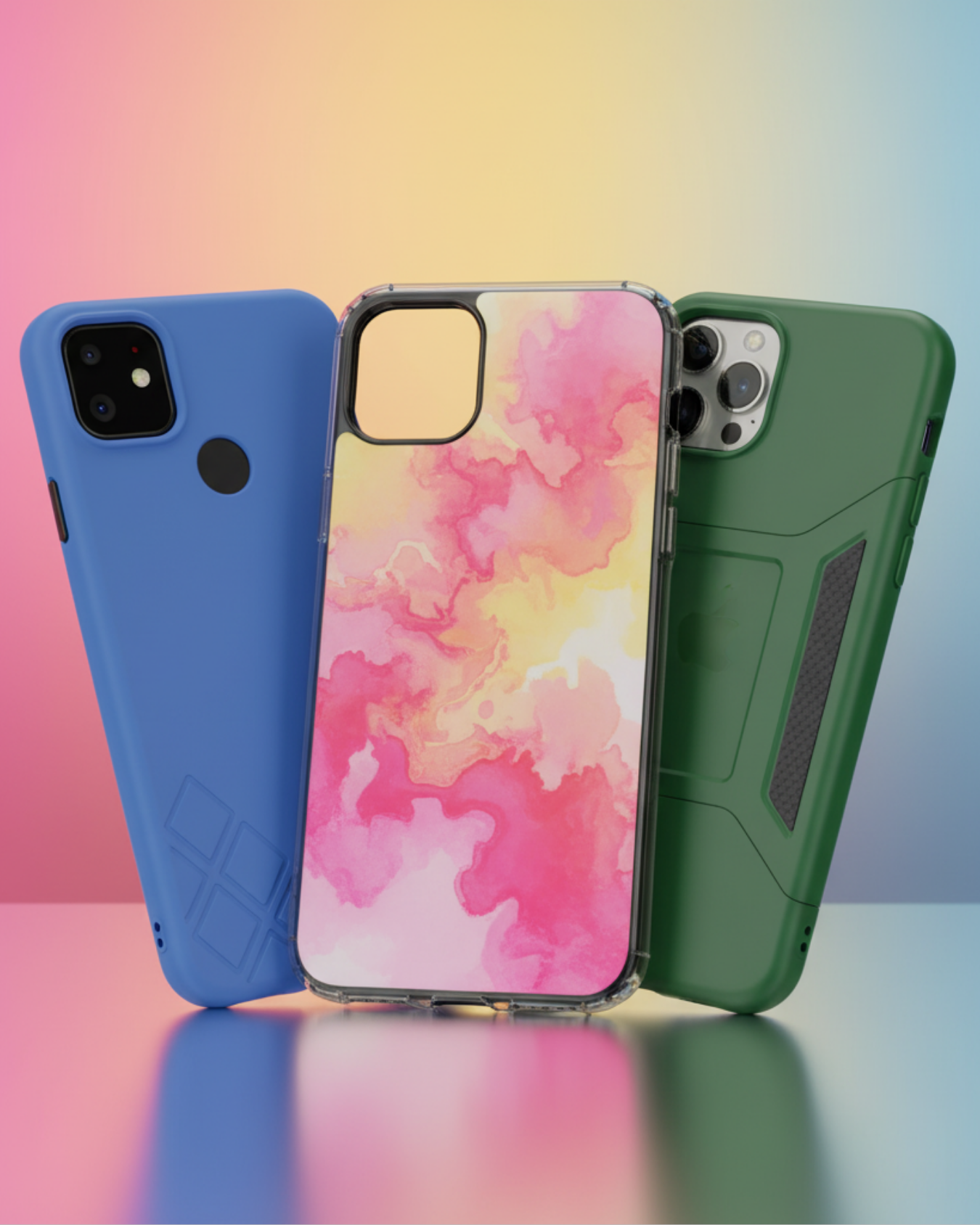
Phone Cases
Protect your device in style! At The Fix in Newport News, VA, we offer a wide selection of durable phone cases for all major brands—sleek designs that keep your phone safe and looking great.

Nintendo Switch Repair
Cracked Nintendo Switch screen? We repair Switch devices in Newport News, VA quickly and affordably. Fast, easy, and always with high-quality parts.

MacBook Repair
For broken screens, battery replacements, or other issues, The Fix in Newport News, VA provides quick MacBook repairs with premium parts.

PlayStation Repair
Is your PlayStation giving you trouble? At The Fix in Newport News, VA, we handle PlayStation repairs with care and quality parts—no long waits, no hassle.
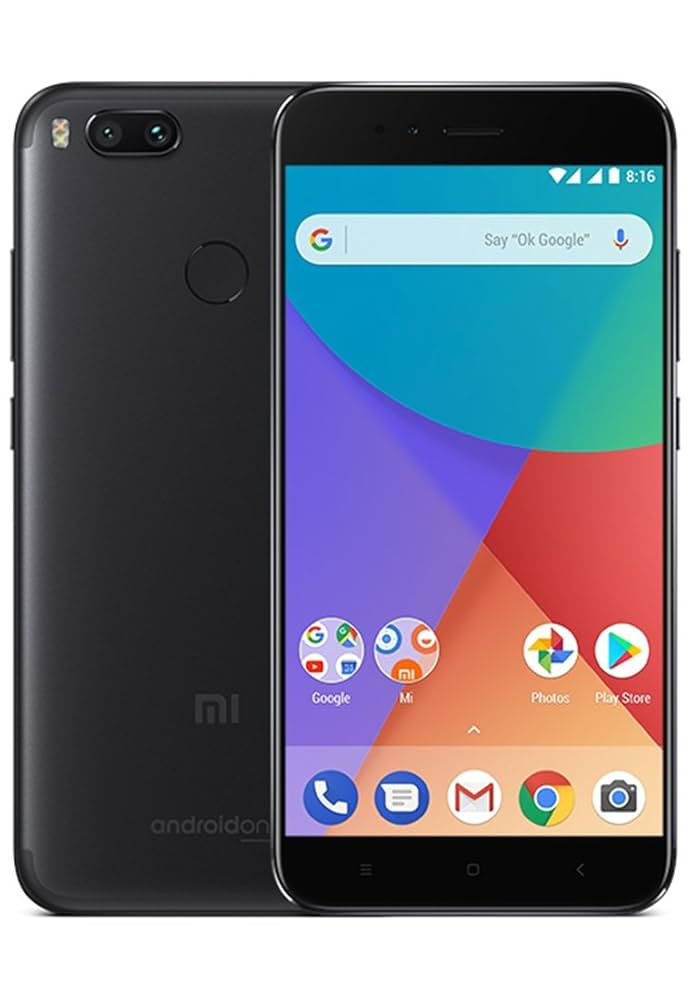
Google Repair
Need your Google Pixel fixed? At The Fix in Newport News, VA, we repair cracked screens, charging issues, and more—always using high-quality parts for lasting results.

Tablet Repair
Whether your tablet screen is cracked or the battery won’t hold a charge, The Fix in Newport News, VA provides fast, affordable tablet repairs with free diagnostics.

Computer Repair
Need PC or desktop service in Newport News, VA? We provide free diagnostics and affordable repairs, always with high-quality parts.

Game Console Repair
From Nintendo Switch® to PlayStation and Xbox, The Fix in Newport News, VA repairs all major game consoles. Fast service and dependable results.

Laptop Repair
Got a broken laptop? The Fix In Newport News, VA, our team repairs most laptop brands and models using high-quality replacement parts.

iPad Repair
Need your iPad fixed? At The Fix in Newport News, VA, we repair cracked screens, charging issues, and more—always using high-quality parts for lasting results.

Cell Phone Repair
We repair all major phone brands in Newport News, VA. iPhone, Samsung, Google, and more—get your phone fixed fast.

Samsung Repair
Whether it’s a Galaxy screen replacement or a charging issue, The Fix in Newport News, VA offers fast and reliable Samsung repairs.

Xbox Repair
Xbox not working properly? Our team in Newport News, VA offers quick, reliable Xbox repairs with free diagnostics and high-quality replacement parts.


Trusted repair solution for mobile phones, tablets, gaming consoles, and computer systems. We provide fast, reliable, and affordable repair services to get your devices back in perfect working condition.
The Fix is an independent repair service provider and is not affiliated with, sponsored by, or endorsed by Apple Inc., Samsung Electronics, Google LLC, or any other device manufacturer. We use high-quality compatible replacement parts unless explicitly stated. All trademarks are property of their respective owners.


© Copyright The Fix Solutions All rights reserved 2026.
Design by Deepcoder