





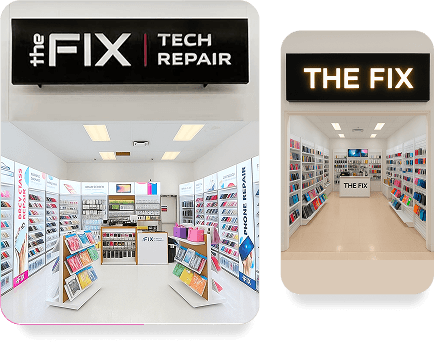
The Fix in Walmart Wilmington
The Fix in Wilmington, NC provides expert repair services for phones, tablets, and other devices, along with a full range of mobile accessories. Whether you need a screen replacement, battery service, or charging port repair, our skilled technicians are here to help.
The Fix in Walmart Wilmington
5226 Sigmon Rd, Wilmington, NC 28403, United States
+1 (910) 262-9429Store Hours:
Google Reviews:
Sabrina Keys
Good service
Scott
Joe Devine
Margaret Berry
Timothy Kirkendoll
Great experience. Very helpful and took care of all my phone needs. Case, screen and camera screen protectors.
Sandra Yaun
Impressed with speed of my phone repair.
youssouf badji
Juvini Gomez
Good service
youssouf badji
Jason RICHARDSON
Sheryl Donofrio
Carl Cox
Good service
Tylor Fisher
Tylor Fisher
Tylor Fisher
Charles Allen
Sabrina Eisenbacher
Liz Vasquez
Junior Cruz
Warren Kenerson
William Schaet
I did not rate this company. This rating is fictitious.
Kelly Albritton
Good service highly recommend and I appreciate it 👍
Norman Starling
Exceptional service.
Jason Starling
I took my old phone and new phone to them in hope that they would be able to transfer photos to new phone.My I old phone was damaged and verizon said they were unable to help me.this guys were amazing.
Ramon Spuhler
Donna Barker
Ryan Granda
April Wray
Austin Pridgett
Joyce Collins
Good service
Emily
Joe Ferro
cassandra davis
Arnold Nalua'i
Really happy with the repair,staff was friendly, professional and efficient.
Steve Murphy
Good service
Zach Wilkins
Umpire Sandy Vaughan
Gene Sherard
Good
miguel damian
Manuela Silva
Terry Cobb
Amelia Hernandez
(Translated by Google) Good service (Original) Good servicio
Luis
Jenny Patterson
Good service
Paul Murrell
Good service
charles mcdonald
Good service.highly recommended
Michael J.
Good service
Jessie Hines
Jose Sarmiento
Really happy with the repair!
Jose Gonzalez Marin
Manuel
Millie Montes
Lewis Green
Javy Morales
Super fast repair and great customer service. I'll definitely come back if I need anything else.
Maurice Dorsey
Very professional and honest.great repair quality and reasonable pricing.
Angel Zelaya
Excellent phone repair shop! Fair prices, quick service,and quality work.Highly recommend.
Bryan Alford
Great service and fast repair! My phone was fixed perfectly and the price was very reasonable.
brittany yopp
Good service
Sharmonique Tate El
Good place
George Carlstrom
Good place, highly recommend
jeremy clayter
Good service, he fixed quickly
Del
James Pittman
Robert Wells
Good service highly recommended
Lamar Hall
Hector
Awesome service.
Gloria Taylor
Jose Ramos
Mario Gutierrez
Great service
Xavier Madan
Cesar Olivares Diaz
osvaldo fernandez
Gloria James
Tim Paylor
Sharon Spencer
Chris Edwards
Sandra Guanta
Steve Locklear
Jadon Mapson
Great experience getting my Samsung tablet fixed! The price was very reasonable, and the quality of the repair was excellent. Highly recommend this place for great service and quality work!
oceansidetherapies
ava music
Fixed my Samsung S23 phone with remote parts. Now it looks and works like brand new. Great 👍
Ramon Colman
Absolutely the best repair shop I’ve ever used! The service was excellent from start to finish. The staff was friendly, professional, and knowledgeable, and they clearly knew what they were doing. Highly recommend 👍
Neptune iFixandRepair
Good service
iMixUp FH
Charlie Devane
Great service. They did an excellent job replacing the screen on my Motorola phone. Fast, professional, and the phone looks and works like new. Highly recommend The Fix for phone repairs.
Joe
Great experience at The Fix on Sigmon road! They repaired the screen on my Moto G 5G Plus quickly and professionally. Great service fair price and friendly staff. Highly recommend!
Douglas
Great service! They fixed my Samsung S23 Ultra screen and back using OEM parts. The quality was excellent, the repair looks like new, and the price was very fair. Highly recommend!
Katie Hill
Karina Damian
Velasco Velasco
(Translated by Google) Great service. (Original) Great servicio.
Rossy Reyes
Great service
Erick Garcia
Sender Loy
Daniel Gomez
Rafael Caballerom.
Fixed my samsung a32 charging port Quick.
Rafael Librado cruz
Enrique Lechuga
Fixed my Samsung s24 ultra screen fast and affordable. Looks and works brand new. Recommend
Jafet Hernandez
Collin Ulmer
Excellent service!
Jesuss Rodo
Sina Seville
Great .
Marlon Guerra
Zaid Perez
Fixed my samsung s25Fe screen quick . Looks new. Reccommended
Hank Troscianiec
Bridgette Barnes
Absolutely amazing! Sweet amazing worker! Was so quick and helpful
Yovany Xicay
Orlando Garsia
Corey Lee
Marisa Graney
Robbie Beck
katelyn e
Annabelle Montalban
Shawn at the Fix is super helpful everytime we shop here! They always have everything we are looking for!
Rick Tobey
Great service by Shawn
Charles Columbia
Great experience getting my iPhone 16 back glass repaired! The repair was done professionally, the phone looks great, and the service was fast and friendly. I'm very happy with the results and would definitely recommend The Fix Wilmington to anyone who needs phone repair. Great job!
Rosember Perez
(Translated by Google) Very good 👍 (Original) Muy bien 👍
Gael Moreno
Grest service
Chris Rackley
I can't recommend The Fix Walmart more. Shawn was knowledgeable, efficient and very helpful. They were responsive over the phone before my visit and fixed my iPad while I was shopping on Walmart less than 15 minutes. Very convenient location.
Jahziel Sanchez
Hi did a good job on my screen protection, I'll recommend this place to get your phone or tablet fix !!
Frreddie Beatty
Excellent service! I bought my phone in for a repair, and the stuff fixed it quickly at a fair price. They were professional, honest, and explained everything clearly. My phone works like new again. I highly recommend this shop to anyone needing phone repairs or accessories. I'll definitely be coming back if I ever need help again.
Rufus Mountford IV
good service, great service 👍
Michael Silva
Sean was awesome! Great price, fast service, and very professional. He made the whole process easy, and my iPhone screen looks brand new. Highly recommend!
Brian Margita
Dude, had my phone fixed and under 30 minutes very friendly good price
Jose Sanchez
Don Ahrens
Moisés Mina vera
Elena Luna Barradas
(Translated by Google) Everything they sell is very nice. (Original) Muy bonitos todo lo k venden
Ernest Little
Exceptional service! Will come back
David
Patricia Barney
This was the easiest person to do business with. Great job
sandy hinkle
Very helpful fast and accurate
Malfre Hurandy Rivas Recinos
(Translated by Google) Excellent service, I give it 5 stars (Original) Muy buen servicio doy 5 estrellas
Charles Thompson
Good service, I highly recommend you 👍
Rubein Velasquez
Elvia Ceja
barbara porter
Good service, I highly recommend this place
Kimberly Harrison
Good
Ann Steele
Stacy Murtha
Good place Staff friendly
Tamara Knight
One of the best phone repair experiences I've had. The Fix in Wilmington was honest,knowledgeable, and very efficient. The staff treated me with respect and made the whole process easy. Great prices, fast turnaround, and excellent customer care.
Dre Skola
The Fix exceeded my expectations. Friendly team, quick service, and high-quality work. They helped me with my phone issue the same day and saved me a lot of money compared to buying a new device. Highly recommend this location on Sigmon Road.
Joseph King
Good service
Wanda Mckoy
Good
Ella Rhodes
good
Koketha Gardner
Always a pleasure.
Sharon New
Good
Ange lmario Figueroa
One of the best phone repair experiences i've had. The fix wilmington was honest, knowledgeable, and very efficient.
Leavin Rodríguez
Amazing experience at The Fix on Sigmon red in wilminton.staff was profesional,fast,ando very helpful.They explained everything clearly and got My phone working like new again.pricewvwere fairy and customer service was top tier.definitely My go to repair shop from on.
Jean Sweet
Jodi Tallman
garrett ransom
good service
Sharon Flinn
Got a new case and screen protector for my new phone staff was super helpful and even installed everything for me and I only paid $40 total!
antelmo Granados
Nice place
Bev Fiori
Good place
tim King
Good
Luis Torres
Good place
Greg Buckingham
Good place highly recommend
Martha Medina
Goodservice
Felecia McIntyre
Good service
Sonya Saleeby
Great service
Koni Aloha
Great service! Highly recommend 👌
Jose Zacarias
Great service
Nathan Harper
Great service highly recommended 👌
Rebecca Miller
Fast service, wonderful staff!
Andre Santangelo
Ricardo Jones
Employee was very helpful!!
octavia williams
Lovely experience
Bernardino Lorenzo
(Translated by Google) Great service (Original) Great servicio
EDWIN Martinez
(Translated by Google) Good service (Original) Good servicio
Felipe Romero
Good service
Tina Alves
Really nice and beautiful store and it’s full of pretty cases plus the staff is very nice.
Shari Reed
Very helpful nice people they do good work
Rivaldo Ramos
(Translated by Google) Good service (Original) Good servicio
Jillian Burch
Good service
Miranda Ndichafah
Good service I highly recommend this place
Ness Andrade
Good service
Enely Gonzalez
"Took my phone in for a screen repair and they had it done the same day. Super professional, honest pricing, and great customer service. My phone looks brand new again. Definitely coming back if I ever need anything."
Jesse
Staff is knowledgeable and friendly.
Zay
does amazing! never had any issues always have what i’m looking for!
Gena Brachfeld
We come to "The Fix" often for accessories and always have a wonderful experience. Alson is always helpful. 10/10 highly recommend.
Leonard Boykin
ANGELINA GANEY
Vivek Thevar
I had a great experience at this phone repair shop. The staff was friendly, knowledgeable, and explained the issue with my phone clearly before starting the repair. They fixed my device quickly and at a very reasonable price. What impressed me most was their honesty and professionalism—they didn’t try to upsell anything unnecessary and made sure everything was working perfectly before I left. My phone feels as good as new! I highly recommend this place to anyone looking for fast, reliable, and affordable phone repairs.
Diego Navarrete
Great service
Farid Freehold
I honestly can’t even put into words how great this cellphone repair shop is. The team was super helpful — they guided me over the phone, explained everything clearly, and even hooked me up with a screen protector. Fast, friendly, and professional. Highly recommend!
David Dooley
Dropped in to get my phone serviced and he was amazing and very helpful! We were able to address it immediately! We highly recommend ''The Fix Store" to any and all future customers.
Anthony Luna
The store is very accomadating it gave me big discount
Ringo Colorado
Fixed My Android phone fast. Now it looks ando works like brandy new. Highly recommended.
Theresa
I've used the fix twice now and they have provided amazing service both times. They fixed my Samsung phone in less than 30 minutes. Now my phone looks and works like new. I truly don't write reviews often but I have been so pleased with the service here and wanted to share my positive experience. Thank you guys for the excellent customer service!
Santos Saavedra
Nice place
Jocelin
Melvin whitehead
Highly recommend! The fix did a fantastic job repairing my phone. From start to finish, the communication was excellent they kept me updated throughout the entire process and the repair was completed at a very reasonable cost. The entire experience was professional, transparent and customer-focused. I would absolutely recommend this business to anyone looking for quality service and knowledgeable, friendly staff.
Brandy Fischer
Super sweet gentleman, and the prices aren't horrible.
Douglas Fischer
Very nice guy good deals nice phones
Wade Hankins
Good service
Orlando Melendez
(Translated by Google) Good service (Original) Good servicio
Arisbeth Guzman
Good service
Maylin Santos
Glendy Carrasco
(Translated by Google) Excellent and very fast service. Thank you. (Original) Excelente servicio y muy rápido. Gracias.
Jeymi Sanabria
Nicole Butrico
Fast and did a great job!!
Maryanne Campbell
Good
teresa blanks
Good store I like
Danielle Silver
Love my new iPhone 16 plus case. Great service!!
Lin Briggi
Service was great and fast.
Nery Cinto
Deshawn Morrison
Great products
Michelle Elisabeth
Sean is the best!
Brandon V
Lorelai
nice service
Renee Leggett
Jose De paz
J.J. Meccanez Multimedia Challenge
Shawn was awesome. I will return!
Yoss Alvz
I bought my cell phone at this place, it's excellent! Great service!
Gerald Moore
Daniela Jacome
(Translated by Google) Very good service, very friendly gentleman who serves (Original) Muy bien servicio muy amable el señor que atiende
Deshun Prater
Person was awesome
Teresa Cinto
Good service
Marcelo Hernandez
This is my second time coming here to fix my Samsung a51 screen, and ones again they did an amazing job. The repair took less than 30 minutes, and phone looks and works like brand new. Very fast professional, and reliable service. Highly recommend 👌
Faith Murphy
Javier Reyes
Great deal! Good service!
Martin Copado
Great service
Tereso Santiago
(Translated by Google) Thank you for your service. (Original) Gracias servicio
Ruven Sanchez
(Translated by Google) Thank you for your service. (Original) Gracias servicio
MARISELA RIOS
Thank you very good place to buy and very good .
Geovany Rodas
Gabriel Yescas
Robert Ramirez
(Translated by Google) Very good (Original) Muy bueno
Horacio Cabe
Good service, he gives me free keychain
Roger Pina Cordero
(Translated by Google) Excellent work. I recommend it. (Original) Excelente trabajo lo Recomiendo
Casey Mcabee
Awesome service ....good products...
Karla Maldonado
(Translated by Google) Excellent service (Original) Excelente servicio
Jamin Espinoza
They were really nice and really professional not only that but they worked with me on the price and was really affordable!
Maddy Overby
Super nice dude
Panchito Perez
Kar Ker Ell
My Samsung Note 20 Ultra had a battery problem with not taking or keeping charge - and then swelling such that the glue failed and the phone body came apart! I called this place and they informed me they have batteries in stock and would check it all out. I went in there at about 6:30pm and was out by 7pm - new battery swapped out and working perfectly again. They offered me a new case, a screen protector and I checked out some of their items in the display case. I had a very good experience and I'll be back if I need them - Thanks Guys! (I had been on the phone with VZ and about to order a new S25 for 1200 bucks... so these guys saved me about $1100! NOT THIS TIME VERIZON! ha )
Judy Skenes
Fastest service ever! Highly recommend!
Cruz Lopez
(Translated by Google) Excellent service, thank you. (Original) atención muy buena gracias
Mandy Chow
Great service, was able to fix our screen quickly! Super nice :)
Moodess
James davis
Xoxan Krasavçik
There is a worker working here. Subo does a very good job, we are very satisfied. He always gives us a good price and good workmanship, and he does very fast repairs, so my choice is The Fix.
Rees Money
Best seller Best Shop stor
Amiracle Teachey
Best seller willing to work with you!
Suzanne C
Helpful, fast, affordable!
Crandell Edmonds
Brought in my iPhone which wasn't working and it was fixed before I could finish looking around the store! Very fast service!
Fred Jafar
They fixed my iphone 15 pro max less than 20 minutes !!! Thank u !!
Jaret Fort
Great guys
matt sanders
Wonderful service!!!
Colin
Awesome service, had a cracked screen and they offered friendly and fast service at a great price.
Ty Bandz
Fix my phone fast great place
Luis Casarez
Great place to get your phone fixed staff is polite and intelligent they fixed my phone right away I highly recommend
Joshua Benson
Went to another repair business they said it would be a week before I could get another phone screen. Then I took it to the Fix Store and it only took 20 minutes, both employees were very professional.
Drew Noyes
Excellent service within 24 hours fixed three broken screens on three different iPads. Very friendly and personable and conveniently located inside the Walmart supercenter over on Sigmund.
Sarah McLaughlin
Great experience with Shawn in "The Fix" He personally fixed my iphone 16 pro quickly and at a great price. Shawn was super friendly and professional, and he use quality parts. I'll definitely come back for any future repairs or phone purchases! What you waiting for to come 😉
Nicholas Weibrecht
Great service affordable prices
Trevor Edwards
Quick, easy and inexpensive. Great customer service he was done in less than 20 minutes. Phone works great!
Rafael Gonzalez
They did a good jop. Change my G23 phone screen less than a hour
Fabrisio “Fabri” O
I went in for a Phone screen replacement as mine was badly damaged and they did good fast work they also have great prices for their items I managed to get a screen protecter, phone case, and the repair all for around 140 dollars and the it didn’t take long around 30 minutes and it was done. So I highly recommend coming here and getting one of your devices repaired
Cherie Malpass
Love my new phone case employees are really nice and take time answering any questions you might have,keep up the good work 👍
Betsy Gilchrist
James was great! Cracked my cell screen while here visiting. Like new as soon as we returned from lunch.
Dennis Davis
Great job on screen replacement on my Samsung S 23 Ultra... I will do business again.
Martin Mejia
anthony ramirez
2nd time I've been here because the service and prices are excellent and I know to except good, solid work and done quickly. Would recommend to anyone needing a quick, fairly priced fix
Miguel Angel Carrera López
(Translated by Google) Very good place I recommend it (Original) Muy buen lugar Lo recomiendo
andrea resendiz
It was a good experience with a fast paced!
Hector Leones
Juan Paz
Benoit Mulasila
Roxana León
(Translated by Google) Excellent service (Original) Excellent servicio
Justin Wilkins
Darren
Jose
Jamierr Horbbs
Roberto Bamaca
Sherry Hayes
Elliott McDonald
Waited weeks for Best Buy / geek squad with no luck. Cheapest, quickest, best quality and customer service. Also discounted my screen protector. 10/10 recommend.
Ann Brown
Ali R Kocak
Genaro Colin
(Translated by Google) Very good service agents and friendly (Original) Muy buen servicio agents y amigable
JOSHUA KIM
Great service!
Juan perez
Aleksey Nazarov
Looks brand new! Amazing service and convenient location
Kai
great customer service, we quick and fast. in and out
Shahera Hernandez
Very efficient and friendly. Perfect service!
Alexuis Mainor
Fast and affordable.
Kaye Forester
Great service. Found everything I needed
Calista Lossiah
Very pleasant experience while here! James, the one helping us, was both kind and informative. He definitely seemed to know exactly what he was doing. Very good customer service, I recommend this place to those who appreciate quality professionalism
Ali Alikishiyev
Great store, l highly recommend this store to all people here. Employees here are very nice, helpful and friendly, you can get your phone fixed while doing grocery. And prices so affordable for all kind of services and products !!!!
James Graham
great customer service at this shop. i came here with a broken screen and i left within 30 mins. cases and screen protectors are so inexpensive. best shop in town
Bianca
Great shop, very fast and friendly. Will recommend to everyone.
Whyso Smiley
Great place, definitely be back for future business👌🏼
A G
Great addition to the Walmart here at Sigmon Rd! The store associate is super helpful and welcoming, found everything I needed within 5 minutes and my phone was ready to go. Super quick, great selection, great customer service! 10/10 recommend!
Billy Lamb
Great guy that done my phone, couldn't get it done anywhere else but this guy was awesome and he done it quick at a reasonable price appreciate you man
Kris Hulon
Shawn did an amazing job on 2 of my I phones. Replaced each screen in 20 minutes plus the protector. They are like new! Having the location in the Walmart which is even better to shop while you wait!
Aya Rutenberg
Great customer service!
Lizania Rios Sanchez
Good service,i highly recommend this place
Juan C Lara
Great place
Sophie Mahehero
I went in with a black screen and i needed my phone tomorrow for work to chart. He was about to replace my screen before i left (: def happy!
Xenia Aitcheson
Quick and easy. Last person in town that had a IPhone 7 case for my daughter! Thank you!
Scott
Myriads of cases on display and the service man found my case in no time for a new Motorola 2026. Super convenient location inside of Walmart. Cool spot!
philomena Comes
Good service highly recommended
Malus NightSong
Quick friendly knowledgeable service. Fair pricing.
Steve Smith
Awesome service
Tralexus Whitehead
Thank you for helping
Tammy Glick
Very helpful
Eder Pineda
Good place
David Burnett
Everything was 👍
clementine
i love this shop!! i only shop here for phone cases :3
Geo RR
Great prices and has every phone case you need👍🏽
جبران القوسي
(Translated by Google) Good (Original) Goood
Grace
Quick and easy
Daniel Lopez
(Translated by Google) Good Service (Original) Buen Servicio
Pipino Chavez
(Translated by Google) Perfect! (Original) Perfecto!
Luzdey Jones
Good service
Yegros Lopez
Great
Dianay Ledesma Reyes
(Translated by Google) It was a good service (Original) Fue un buen servicio
Doug Baer
Very fast, very polite, very convenient to get my phone fixed while I shop
Samadou Nyongolo
Nice customer service
alwaysalady2002
Wonderful customer service, fast and affordable and kind
Kristen Blossom
Geremiah Emptage
Great service
Marcos Bautista
Good service i liked
Elizabeth Berg
The guys here are amazing! They gave us a discount for returning customers and they also ran a diagnostic on our phone and figured out the problem thank yall so much!
Luis Martínez
(Translated by Google) Very good (Original) Muy bien
Madison Fletcher
Awesome experience! He fixed my phone in 10 mins, good as new!
Cam’eron Scott
It was amazing! Shawn has a very positive attitude
Michelle Hall
I can take good pictures again. Thank you for fixing the broken lenses on my iPhone
Mateo Sanmiguel
Helpful staff and fast service
Eduardo Jimenez
(Translated by Google) I recommend them very good (Original) Los recomiendo muy buenos
Patrick Miller
Good place ,he fixed my phone
Addie Allen
Good
Sabrina Moon
I loved getting my case here they were super nice thank you so much (:
Tracey Mollette
Good service
Jessica Bennett
Friendly staff, clean store
Glendora Mcmillian
Satisfied
Lisa Dowd
Awesome customer service experience wonderful job
Denise Evans
My experience was amazing
Sonya Soles
Totally Professional Employees, Very Kind and Patient, and Informative
Veronica Corona
Good service i like here
yarixa alv.
fire place , nice screen protector.
Shea Johnson
Quick and easy fix, will be back for repairs
Marily Gonzalez
Good service
Arleni Delgado
Elder Garcia
(Translated by Google) It's a good service (Original) Es un buen servicio
Nataly Diluccia
Veryy good helped alott!!!
Jon Blackburn
Very helpful
Bethany Cottle
He was very helpful and I love all the colors of the cases and screen protector for back camera
Jennifer Timal
Very good service!!! Thank you very much😊
Janae B
Good service !
Janae Blackwell
Shakar Bullock
Wonderful customer service!
CHAVELY MACHADO RUIZ
(Translated by Google) Excellent service, very professional (Original) Exelente servicio muy profesionales
King SpamSquare
Good selling for iPhone 16 case !!
Mila
Amazing customer service
Casey Clarke
Best deals, has a great selection!!
Chamika Smokes
Great stock and customer service!
Pudgy McWudgy
Quick, reasonably priced and they have cameras lens protectors!!!
gauge hancock
Amazing price and did it fast 10/10 recommend
Åübrïånñå
Love this place great service!
hoang lan
Good
Michael Bard
Great experience and great price
Rebecca Ray
It was great service!
Ирина Иванютина
Super i liked this place
Reynae Miller
Quick and easy.
Clement Asante
Good service
Jacquiline Asante
God is good 👍😊
Juana Zaldivar
Good service
jc
Perfect!!
Eboni Torain
Great store
Karson Wainwright
He did a amazing job working on my fiancé phone
cal daley
Very friendly and fixed phone quickly
Yanet Figueroa
Good
Abbie Hunt
Lots of cases and not too pricy
Peyton Brown
Very helpful!
Kevin Bannerman
Great service
Yane
Very Good .
Julissa Bautista Santiago
Great service
Marcelino Bautista
Great service
Yessenia Alvarez
Great servise
Roy boatwright
Great service will tell all my friends thanks
Elizabeth Savage
Did a great job and fast service
Babette White
This is a great place to get all your phone needs met
Keli Wilson
Quick and convenient with application to boot!
Brittany crisp Johnson
Fixed my galaxy watch 4 amazing on the spot!
Monique Robinson
Great service
Shakeria Davis
Highly recommend!
Jolo
(Translated by Google) Yeah (Original) Yeahea
James Prosise
Great service on all levels
Chris Jones
Great service brought me a IPhone from them and other products they are a fair friendly company come check them out
Vickie Smith
Good service
Lisa Turner
Great place to get a phone case
Mrs. Najar
Good customer service
speed DeVane
Great place for all your electronic needs they will look out for you, put it on and charge you a far price.
Gavin Krunkosky
Exceptional Service and Integrity! I recently had the pleasure of working with this company, and must say, it was a refreshing way to do business. They truly do what they say and what they do. From the start, they informed me that there would be no charge for the diagnostic, which set a positive tone for the experience. My iPad looks just like brand new now thanks a lot for doing a great job. Trusted business and best in Wilmington.
Deborah Rhodes
excellent service and fast.
Mary Garcia
Very Good
Carmen Ortega
Good
Rod Dudley
Quick & fast
Josely Ruiz
😍😍
Tayla Azevedo
Great service!
Nyeisha Stephens
Andria Jones
I love this store!
Audry Jones
Great service
Tameshia Askew
They have a great selection of cases and they also fix phones. The employees give good customer service. You have to go there
Alex Sanchez
Nasir Nelson
Fast Business
Ray Beatty II
Paul Ziegler
Sean was amazing 🙏
Shadoe Seaquist
Great with fixing devices always offers great pricing on purchased devices
Mae Mae
Awesome service!!!
Lanard Boyd
Was a great sales associate and he tried to upsell as well very nice. Thank you
christopher lewis
Loved the store
Jonah Warshaw
Great guys upfront. Very helpful!
Dustin Floyd
Very fast, and professional! Ill be back.
Rick Skipper
Great work on phone
Gloria Franklin
MY DAUGHTER WAS VERY HAPPY WITH HER CHOICES THANK YOU
JUDY HOLLINS
DyShawn Harrington
Great service
Carly Novak
Very excellent service my favorite store in town 10/10 recommend!
Duke Hales Enterprises
Great service!
Dat Rocha
Good customer service
MAZ
(Translated by Google) Good store (Original) Buena tienda
Kiersten S
Great service & very reasonably priced!
jakeyyy “Jakeyyy” _
quick charger port cleaning
Sophia Hill
Great service, and very patient!
W Frank Lee
Had products other stores didn’t have
dmbsunny larue
Very helpful
Zena
Great charges and costumer service
Tracy Beal
This was the best experience!!! Fast and great quality!!!
Eliminate
Great store
Lindsey Baber
Very kind and helpful crew.
Alanna Knit
This place fixes everything perfectly. I got the cutest case!!!!
Miss lady
Best phone case ever
Coirtney M
Great service
Samigya Thapa
Good nice
Misael Perez
Good
Noemi Cortez
(Translated by Google) Good service (Original) Buen servicio
DJ POP
Great service!!! Really kind
Tallen Brackett
Great place of business
Tonya Robinson
J.S AVENTURAS
(Translated by Google) I like the kindness of the boys (Original) Me gusta la amabilidad de los chicos
Brenda Ramírez
(Translated by Google) Very nice experience and good service (Original) Muy bonita experiencia y buenas atencion
vincenzo ruggiero
Very helpful and quick best in Willmington
Nick Gerr
Very fast cheap helpful.
Linda Watkins
Jacqueline Collino
axel orrego-villarreal
10/10 it was quick everything worked perfect
J Murph
Great store Elson is awesome!!!
Kiara Smith
Very awesome!!
Tamir Smith
Great service nice ppl !!
Captain Joe
Fast and easy
Brittney Pickett
Absolutely great service.
Roger Van Slyke
They quickly diagnosed and repaired my son's phone (charging port). When I told them I needed to ask my son if he wanted it repaired the price came down $30 so they may be willing to negotiate.
Janasheah Lavine
Quickly
James Lyons
Very professional excellent service
Sterling McDuffie
Great Service!!!!!
logan and jimmy spivey
Quick and friendly
Gail Suggs
Great service. Very nice!
Jay Moore
Great shop good prices awesome service.
Shawn Sterling
Nay Sanchez
(Translated by Google) Excellent service (Original) Excelente servicio
Chloe Morales
So fast and affordable !
Karen
Quickly got my phone looking better.
pankaj bisht
good vibes nice person friendly nature
Akash Sharma
Very nice products with genuine rates.
Ben Dietzel
Awesome guy!
Sharon Nixon
Great service
Agustin Lopez
Great store
derrick greene
Great service very fast and professional
chloe asbury
Very helpful and prompt! Thanks so much for fixing my phone with a swiftness!!
Edward Tippett
Awesome customer service every time I come in here they help me out and give me exactly what I need even install everything for me too at no cost
Felicia Marie Thomas
Great advice!
Junita
Great service!!
Miracle Smith
great service
Leslie Kings
Good service
Rossi Aguilar
(Translated by Google) Excellent work (Original) Excelente travajo
Yoahna Díaz-Duran
Great service! And price:)
Lachandra Stubblefield
Best place to get your cell phone accessories at an affordable price!
Leigh Ilse
Excellent service
TTV_ IcyGoku
Is a good deal and good attention
Johnathan Jarose
Amanda Jarose
Carmen Isabella
Did a very job installing screen protector and was very helpful and affordable
Cynthia Edwards
Very helpful.
Luisa Cruz Lopez
Delani A
great service
Nancy Cotugno
Kashara Ballard
Great customer service 5-star work. Very fast and efficient! Would definitely come again!
Megan Broxton
I’ve shopped at this place before, and I love the stuff they sell!!
Harper Jaeger
I love my new phone case
Hannah Butorovich
Jessica Peñaloza Ortiz
Good and fast service I definitely recommend coming here 👍🏽
Shadoe Seaquist
Great prices and fast service
Juan Carlos Cabrera lemus
Nelson Méndez
(Translated by Google) Good Service (Original) Servicio Bueno
Nelson Gonzalez
Great service 😀
Carly Ripa
Amazing personable customer service , man knew about each device, has a ton of case choices. And had top-trending styles. Pricing was cheaper than expected!! EvenSuper cute shoe charms!! Highly recommend! Especially because of the great location right here in Walmart!! Highly recommend!
Lil Monkey
amazing service fixed my phone in less than 30 minutes
Valeria Rodriguez
Alejandra Jasso
(Translated by Google) Excellent service (Original) Excelente servicio
Dorcus Hankins
Amber Goff
anthony goff
Great service
Amanda Martins
Very good phones cases, different variety and you always find what you’re looking for 😊
Brittan Peterson
Elson at the Fix Tech Repair in Walmart was amazing. He helped my friend find the perfect phone case and pop socket for her phone. He was very patient and helpful. Going forward this is the only place we will shop for all I Phone and I pad accessories. They also have Pop Mart Labubus and repair devices.
Arianna K
very patient and helpful
Selena Montana
Very efficient time saver
Caitlin
Always very helpful, super nice, big selection
Jessica Hammons
Paul McCarn
Brent Kelly
Christopher Sanders
Quick service and great prices
Brianna Jones
Store was very nice & organized. Alson was very nice & helpful
Ana Henriquez
Elson Aliyev
Super cool phone cases!
Yury Kulikov
I was having a problem charging my iPhone. I came to The Fix after seeing the good reviews. They lived up to them. Employees were very pleasant and had my phone repaired in about an hour. I highly recommend The Fix.
Green Aura
Everything was super good, quick and professional. Highly recommend for everyone
Charlie Peraza
Alley Parker
Very quick and helpful! Only $37 for a new phone case, screen protector, and he installed it!
sarah D'Attilio
Amazing place, phone ended up being water damaged and charging port busted! Eldon changed it all out including a new screen.. even stayed open late to finish it so we could have it by the end of the night
Kesa Karmen
Nice to deal with and intuitive with good suggestions!
Cristel Vargas
(Translated by Google) I love (Original) Me encanta
Federico Esquivel
holley hudson
Daniel and Chelsea Ballance
Ethan Garrison
The guys that work here are really nice, even open to price negotiation. Was in and out with a new charging port and complimentary screen protector in less than an hour for $95.
Emin Huseynov
👍👍👍👍👍👍
Cavanşir Səlimov
sure bro helped me unlock my iphone in like 10 minutes phone working perfect now.
mila vlyv
prices are fair compared to other places, and the staff treated me with respect
Nazr1n Fetullayeva
Friendly and professional team. Helped me pick the best phone for my needs without pushing for the most expensive one. Honest service.
Dianne Abbott
They fixed my phone in less than 30 min. The screen protector was so much better than the one I got from AT&T. I recommend them to everyone.
Ryan Armstead
Highly recommend
Kevin Umanzor
super chill guy, got straight to the point. good pricing as well and very respectful. very nice clean and well lit store.
Yusuf Celik
Excellent service.
Daniel DiSalvo
Amazing job! Service was very fast, easy, and cheap. Definitely swing over if you ever have any issues!
BELITZA ALCALA
Faith Barnett
Soba was amazing! I walked the store not thinking that they would be able to fix my problems with my Apple Watch and phone that had been giving me problems for months. I dreaded going to the Apple Store. I popped into here just to see if they could help and Soba, in just literally a couple of minutes fixed both my phone and my watch! I couldn’t believe it. It took minutes and was ridiculously cheap. I’m so impressed by these guys the inventory they carry is extensive and high quality to outfit you phone as well. And they are located in Walmart so it’s very convenient too. The Fix Tech Repair is awesome!
Your local repair experts for every device
From iPhones to gaming laptops, The Fix in Wilmington, NC is your one-stop shop for device repair. Quick turnarounds, affordable prices, and local experts you can trust
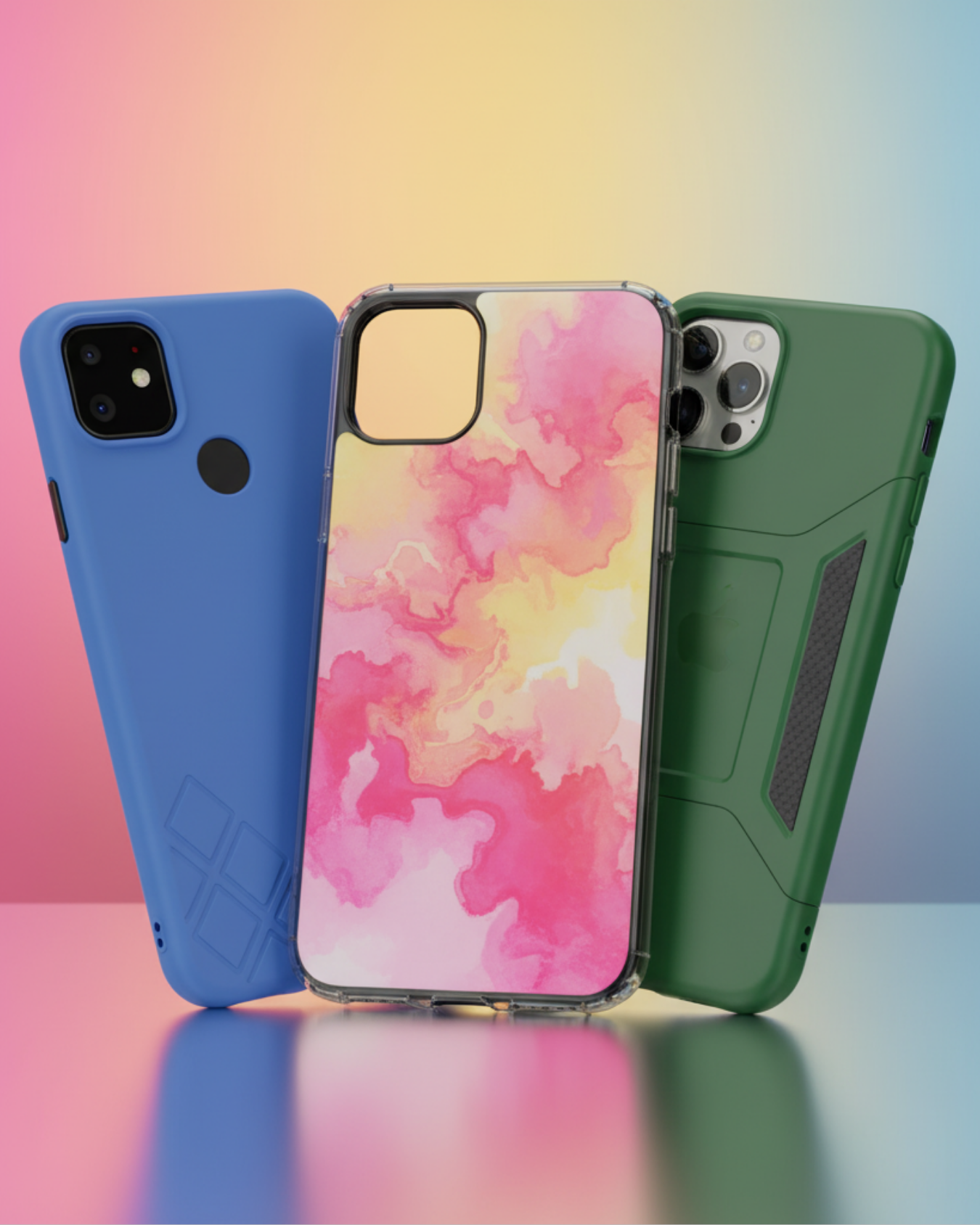
Phone Cases
Protect your device in style! At The Fix in Wilmington, NC, we offer a wide selection of durable phone cases for all major brands—sleek designs that keep your phone safe and looking great.

Nintendo Switch Repair
Cracked Nintendo Switch screen? We repair Switch devices in Wilmington, NC quickly and affordably. Fast, easy, and always with high-quality parts.

MacBook Repair
For broken screens, battery replacements, or other issues, The Fix in Wilmington, NC provides quick MacBook repairs with premium parts.

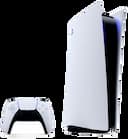
PlayStation Repair
Is your PlayStation giving you trouble? At The Fix in Wilmington, NC, we handle PlayStation repairs with care and quality parts—no long waits, no hassle.
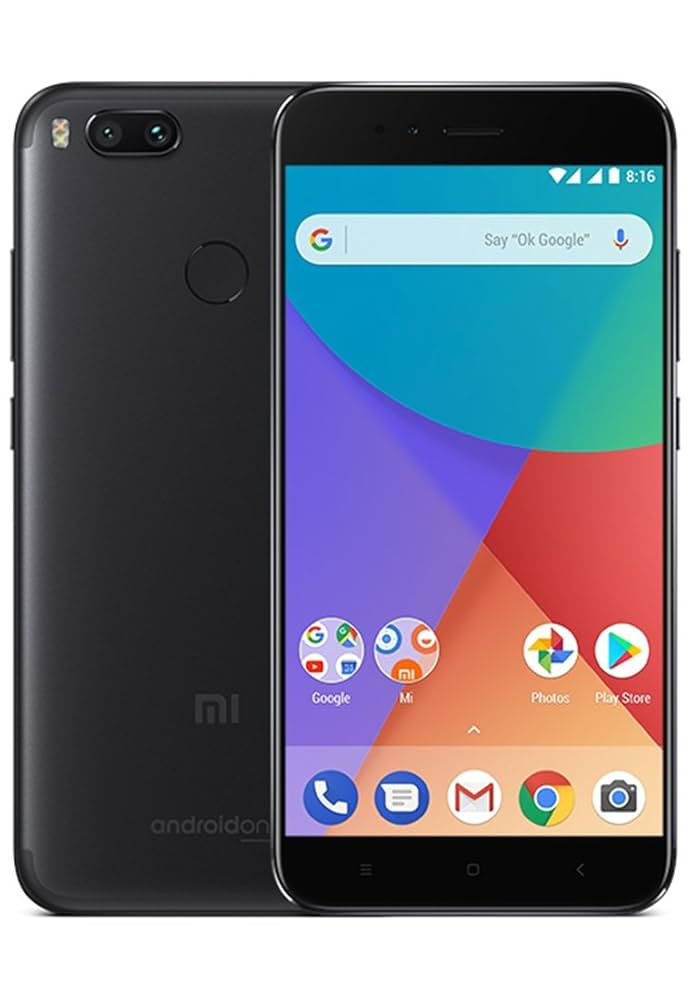
Google Repair
Need your Google Pixel fixed? At The Fix in Wilmington, NC, we repair cracked screens, charging issues, and more—always using high-quality parts for lasting results.

Tablet Repair
Whether your tablet screen is cracked or the battery won’t hold a charge, The Fix in Wilmington, NC provides fast, affordable tablet repairs with free diagnostics.

Computer Repair
Need PC or desktop service in Wilmington, NC? We provide free diagnostics and affordable repairs, always with high-quality parts.

Game Console Repair
From Nintendo Switch® to PlayStation and Xbox, The Fix in Wilmington, NC repairs all major game consoles. Fast service and dependable results.

Laptop Repair
Got a broken laptop? The Fix In Wilmington, NC, our team repairs most laptop brands and models using high-quality replacement parts.

iPad Repair
Need your iPad fixed? At The Fix in Wilmington, NC, we repair cracked screens, charging issues, and more—always using high-quality parts for lasting results.

Cell Phone Repair
We repair all major phone brands in Wilmington, NC. iPhone, Samsung, Google, and more—get your phone fixed fast.

iPhone Repair
Cracked screen? Battery draining too fast? Our team in Wilmington, NC repairs iPhones with precision and high-quality parts to make your device feel new again.

Samsung Repair
Whether it’s a Galaxy screen replacement or a charging issue, The Fix in Wilmington, NC offers fast and reliable Samsung repairs.

Xbox Repair
Xbox not working properly? Our team in Wilmington, NC offers quick, reliable Xbox repairs with free diagnostics and high-quality replacement parts.
Looking for phone repair inside Walmart in Wilmington, NC 28403?
The Fix is a dedicated repair store conveniently located inside Walmart at 5226 Sigmon Rd, Wilmington, NC 28403. A shattered front panel, a phone that loses its charge before lunch, a port that won't hold a plug: bring it in, and a technician looks it over and tells you what is going on.
Phones are the core of the job. Tablets, laptops and game consoles come through the same door.
Why choose The Fix inside Walmart on Sigmon Rd?
Convenience is the first reason. The store sits inside a Walmart you may already use for groceries, so a repair fits into a trip you were making anyway. Drop the phone off, and pick it up again while you are shopping.
Speed is the second. Many common repairs are same-day, and a screen or battery on a popular model is often done within the same visit, depending on the parts in stock.
The range of phones is another reason. iPhone and Galaxy make up a lot of it, sure. But Pixel and Motorola screens are part of the work too. If you carry a Moto G or a Pixel 9a, you are not stuck hunting for someone who knows the model.
What phone problems do we fix?
We fix screens, batteries, charging ports, cameras, speakers, back glass and phones that will not power on, across Apple, Samsung, Google and Motorola.
A cracked screen on an iPhone 17 is a different job from shattered glass on an iPhone 11, because the panels and the way they sit in the frame are not the same. Faults can also hide under intact glass. With unresponsive touch, part of the screen ignores your finger. With ghost touch, apps open and letters type on their own. Both usually trace back to the screen assembly.
An aging battery shows itself in a few ways. A battery draining fast before the afternoon. A sudden shutdown with charge still on the meter. A swollen battery that lifts the screen or the back cover, which calls for a replacement sooner rather than later. We swap batteries on models like the iPhone 15 Pro and the Galaxy S25 FE.
Charging trouble often comes down to the port itself. Lint, sand and other debris in the port can stop a cable from seating. We clean it out first. If the pins are bent or corroded, charging port repair means replacing the part.
Beyond screens, batteries and ports, there is back glass on a Galaxy S23 Ultra, a cracked camera lens that turns every photo hazy, a muffled speaker that makes calls hard to hear, and water damage from a pool, a boat or a sudden storm. A Galaxy A36 that went dark after a drop goes through a full check so the repair matches the actual fault.
Which other devices can you bring in?
Besides phones, you can bring in iPads, MacBooks and game consoles, including PlayStation, Xbox and Nintendo Switch.
Tablets are close cousins of phones. An iPad Pro with a broken screen, a 10th-generation iPad with a battery that barely lasts a lecture, a tablet whose port gave out: these come in with the same kinds of faults as phones, just on a bigger panel.
Laptops are part of the work. A MacBook Air with a cracked screen, a keyboard that stopped registering keys or a battery that fades long before the day ends can all be looked at here.
Consoles have their own set of faults. A PlayStation that shows no picture often has a damaged HDMI port. An Xbox may run hot and shut itself down. A Nintendo Switch can have a cracked screen or a controller stick that no longer centers. Bring the console, tell us what it does, and we will look at the hardware behind it.
What accessories does the store keep on hand?
The store carries phone accessories alongside the repair work: cases, screen protectors, chargers and cables.
Parts come first, though. The replacement parts we fit are high-quality and specific to your model. When more than one part option exists for your phone, the technician walks you through the choice and what it changes. You decide which way to go.
Accessories make sense right after a repair. A new screen deserves a protector. A phone that just had its back glass replaced is a good candidate for a case with raised edges. If a worn cable caused charging trouble in the first place, a fresh one is a small fix that saves a return trip.
How does a repair work at this store?
A repair starts when you describe the problem and ends when the device is working and back in your hand.
- Stage 1: You explain what happened, and the technician runs a hands-on diagnosis of the device.
- Stage 2: You hear which part needs work and get a price before any work starts. If a part has to be ordered, you hear that too, along with what it means for timing.
- Stage 3: The technician carries out the repair once you approve it.
- Stage 4: The technician runs through the device with you: touch, charging, camera, sound, whatever the repair covered.
Timing depends on the repair. A battery swap on a common model is quicker than a screen and back glass job on a curved Galaxy S Ultra. Water damage takes longer because the phone has to be opened, cleaned and checked before anyone can say what it needs.
Where exactly is The Fix in Wilmington, NC 28403?
We are inside Walmart at 5226 Sigmon Rd, Wilmington, NC 28403, in the Market Street (US-17) corridor.
Sigmon Rd runs right off Market Street, so the store is easy to reach from the main commercial road through town. College Road is close by as well, which makes it a straight run for anyone coming from the north or south side of Wilmington.
UNCW is about 1.3 miles south-southeast. That is a quick drive after class. Independence Mall is about 2.75 miles southwest. Novant Health New Hanover Regional Medical Center is about 3.75 miles southwest.
Downtown and the river are farther west. Cape Fear Community College's downtown campus is about 4.3 miles west. The Battleship North Carolina sits about 4.6 miles west, across the Cape Fear River from downtown. On the other side, Wrightsville Beach is about 5 miles east-southeast, so the drive back from the beach passes close by.
How does coastal Wilmington affect your phone?
Living near the ocean exposes phones to salt, sand, water and heat, and each one leads to specific faults.
Salt air is the quiet one. Humid breezes off the ocean carry salt that settles in the charging port and speaker grilles. Over time the pins corrode and the speaker gets weaker. The result: a muffled speaker, or a cable you have to hold at an angle.
Sand gets everywhere. It works its way into ports and buttons and packs down with each plug-in. A port full of sand looks like a broken port, but often it only needs careful cleaning.
Water is the obvious risk. Beach days, fishing trips, boats on the Intracoastal and summer storms all bring wet phones. Hurricane season adds power outages, flooded cars and phones left in rain-soaked bags.
Heat is the slow one. Hot, humid summers age batteries faster. A phone that sat in a car at the beach parking lot may come back with less capacity than it had in spring. If yours drains faster each summer, the battery is probably the reason.
What is a visit to this store like?
A visit here is friendly, professional and easy to follow.
The technician talks you through the repair in plain language. You will know what is being replaced, and you will know what was done when it is finished. Nothing is left vague.
Some visits cover more than one repair on the same phone. When a drop cracks both the front screen and the back glass, both can be done together in one visit.
Have a question before you come in?
How long does it take to repair a cracked Galaxy S23 Ultra screen at The Fix on Sigmon Rd?
It depends mainly on the part and on whether the frame is bent. The S23 Ultra has a curved screen, which takes more care to fit than a flat one. If the back glass cracked in the same drop, doing both adds time. The technician will tell you how long to expect once they see the phone.
How much does it cost to repair an iPhone battery at The Fix inside Walmart on Sigmon Rd?
The price depends mainly on which iPhone you have. An iPhone 11 and an iPhone 17 use different batteries. The part option you choose also changes the total. A swollen battery that has pushed against the screen may add work if the screen was affected. You will get the exact figure once the diagnosis is done.
How long does it take to repair a Moto G screen at The Fix near UNCW?
Most phone repairs done in less than 30 minutes. The Moto G model and part stock set most of the timing. A bent frame or other damage from the same drop adds time. We give you an estimate after looking at the phone.
How much does it cost to repair a corroded charging port in coastal Wilmington?
Cost depends on how far the corrosion has gone. Light buildup can sometimes be cleaned. Pins that are badly corroded mean the port has to be replaced, and on some models the port sits on a board that is more involved to swap. Your phone model and the part choice set the rest of the price.
How long does it take to repair water damage from Wrightsville Beach at The Fix on Sigmon Rd?
Salt water takes longer to deal with than fresh water, and the timing depends on how much got inside. The technician opens the phone, dries it, clears the salt residue and then checks it part by part. Only after that can the technician say which parts, if any, need replacing.
How much does it cost to repair a cracked iPad Air screen at The Fix in Wilmington?
It comes down to the screen type. An iPad Air uses a laminated screen, where the glass and the panel under it are one piece, so it costs more to replace than an iPad with separate glass, like the 9th generation. If the frame is bent too, that affects the total. You will hear the full price once the iPad has been checked.
How long does it take to repair a cracked camera lens at The Fix inside Walmart on Sigmon Rd?
A cracked camera lens cover is usually a shorter job than a damaged camera module. The time depends on which one is broken and on your phone model. If the camera itself has stopped focusing, it may need a new module. The technician will check which part is affected and tell you what to expect.
How much does it cost to repair an iPhone 16 screen at The Fix on Sigmon Rd?
The cost of an iPhone 16 screen repair comes from the part option you choose and how far the damage goes. Cracked glass over a panel that still works is one job. Black spots, lines or dead touch under the glass mean the whole panel is involved. The technician checks the phone and quotes the repair from there.
How long does it take to repair a MacBook Pro screen at The Fix in Wilmington, NC?
Timing depends on the MacBook Pro model and on part availability. A screen assembly that is in stock goes faster than one that has to be ordered. If liquid or a hinge problem came with the crack, the check takes longer. You will hear the expected timing after the diagnosis.
How much does it cost to repair a Google Pixel screen near Market Street?
Your Pixel model sets most of the price. A Pixel 9a and a Pixel 9 Pro use different screens, and the part option you pick changes the total. If the drop also bent the frame, that adds to the job. The technician quotes it after looking at the phone.
How long does it take to repair a muffled iPhone speaker at The Fix in Wilmington, NC?
The time depends on the cause. A grille packed with sand or salt residue can be cleaned in a short visit. A speaker that has corroded or failed needs a replacement part, which takes longer. The technician checks which one it is first.
How much does it cost to repair Galaxy S25 back glass at The Fix inside Walmart on Sigmon Rd?
The cost depends on whether the camera lens covers cracked too. Back glass is bonded in place and has to come off cleanly before new glass goes on. If the drop also reached the frame or the camera, that is part of the price. You will get the figure after the diagnosis.
Other Locations Near By You
The Fix in Walmart Wake Forest
2114 S Main St, Wake Forest, NC 27587, United States
The Fix in Walmart Raleigh
1725 New Hope Church Rd, Raleigh, NC 27609, United States
The Fix in Walmart Salisbury
323 S Arlington St, Salisbury, NC 28144, United States
The Fix in Walmart Statesville
1116 Crossroads Dr, Statesville, NC 28625, United States
The Fix in Walmart Gastonia
3000 E Franklin Blvd, Gastonia, NC 28056, United States
The Fix in Walmart Leland
1112 New Pointe Blvd, Leland, NC 28451, United States
The Fix in Walmart Shelby
705 E Dixon Blvd, Shelby, NC 28152, United States


Trusted repair solution for mobile phones, tablets, gaming consoles, and computer systems. We provide fast, reliable, and affordable repair services to get your devices back in perfect working condition.
The Fix is an independent repair service provider and is not affiliated with, sponsored by, or endorsed by Apple Inc., Samsung Electronics, Google LLC, or any other device manufacturer. We use high-quality compatible replacement parts unless explicitly stated. All trademarks are property of their respective owners.


© Copyright The Fix Solutions All rights reserved 2026.
Design by Deepcoder