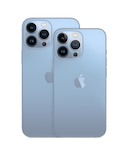




Phone Cases in The Fix in Walmart Wilmington
Looking for the perfect case to protect your device? At The Fix in Wilmington, NC, we offer a wide selection of durable phone cases for all major brands. Whether you need heavy-duty protection or a slim look, we help you find the right fit fast.

Premium Phone Cases
- Heavy-Duty Protection Cases
- Slim & Stylish Designs
- Screen Protector Compatible
- All Major Brands Available
- Wireless Charging Compatible

Premium Phone Cases In The Fix in Walmart Wilmington
Coastal Defense: Choosing Phone Cases in Wilmington, NC (28403) for the Port City Lifestyle
Living in Wilmington means living in a dynamic environment. You might start your day with a class at UNCW, grab lunch on South College Road, and end up watching the sunset at Wrightsville Beach. This "Port City" lifestyle is incredible for us, but it is brutal for our mobile devices. In the 28403 zip code, a phone case isn't just a fashion statement; it is a shield against three distinct enemies: Sand, Salt, and Concrete.
At The Fix, located at 5226 Sigmon Rd inside Walmart (right off Market St), we specialize in preventive protection. We help you select Phone Cases in Wilmington, NC that are engineered to survive the specific abrasion and corrosion risks of the Cape Fear coast.
The Enemy: "Silica" (Beach Sand)
The Local Reality: Whether you are surfing at Wrightsville or just walking the Riverwalk, sand is everywhere. The Hardware Risk: Sand is primarily silica (quartz), which is harder than the glass on your iPhone or Samsung screen (Mohs Hardness Scale). If you put your phone in a pocket that has even a few grains of sand, the friction will scratch deep grooves into the glass instantly. The Defensive Strategy: We recommend cases with a "Tight Seal" design that prevents grit from working its way between the case and the phone back (which causes pitting). Furthermore, a Tempered Glass Screen Protector is mandatory here. It acts as a sacrificial layer—let the sand scratch the protector, not the expensive display.
The Enemy: Saline Aerosols (Salt Air)
The Local Reality: The air in Wilmington carries a high salt content from the Atlantic and the Cape Fear River. The Hardware Risk: Salt is hygroscopic (attracts water) and highly corrosive. Standard cases leave your charging port exposed. Over time, the salty air deposits a film on your charging pins, leading to green corrosion and the dreaded "Accessory Not Supported" error. The Defensive Strategy: For anyone living east of I-40, we advise cases with Integrated Port Plugs. These silicone flaps seal the USB-C or Lightning port when not in use, creating an airtight barrier against the corrosive salt atmosphere.
The Enemy: The "College Road" Drop (Concrete)
The Local Reality: Life near UNCW is fast-paced. Rushing between classes or errands on Sigmon Road often leads to fumbles. The Hardware Risk: A drop on the sidewalk transfers massive kinetic energy into the corners of your device. Without dissipation, this energy travels through the frame and shatters the screen. The Defensive Strategy: Look for "Composite Construction." The best cases for Wilmington students use a hard Polycarbonate outer shell (to deflect sharp impacts) and a soft TPU inner liner (to absorb shock). This dual-layer approach distributes the G-force of a drop, saving your screen.
The Enemy: The "Dashboard" Bake (Heat)
The Local Reality: Leaving your phone in the car while you run into Independence Mall during a humid July day. The Hardware Risk: Wilmington summers are hot and humid. A black, thick rubber case acts as a thermal blanket, cooking your battery and permanently degrading its health. The Defensive Strategy: Avoid cheap, thick silicone. Choose cases with "Heat Dissipation Channels" or lighter colors that reflect sunlight. Your case needs to let the phone breathe, especially when using GPS navigation.
Frequently Asked Questions (Q&A)
Q: Do I really need a waterproof case if I don't swim with my phone? A: If you are a boater or spend a lot of time on the Intracoastal Waterway, yes. Saltwater kills phones instantly. A fully sealed (IP68) case is much cheaper than buying a new phone. For average users, a water-resistant case is usually enough.
Q: Will a rugged case block my UNCW WiFi signal? A: No. Modern rugged cases use radio-transparent materials. We avoid cases with heavy metal backplates that interfere with antenna bands or wireless charging.
Q: Why does my clear case turn yellow so fast here? A: UV radiation. The Wilmington sun breaks down cheap plastics. We stock cases with UV-stabilizers that resist yellowing, keeping your device looking new longer.
Prevention is Better than Cure
Don't let a day at the beach ruin your device. Visit The Fix inside Walmart Wilmington (Sigmon Rd). Let us equip your phone with the armor it needs to survive the sand, salt, and sun of the North Carolina coast.
Other Locations Near By You
The Fix in Walmart Wake Forest
2114 S Main St, Wake Forest, NC 27587, United States
The Fix in Walmart Raleigh
1725 New Hope Church Rd, Raleigh, NC 27609, United States
The Fix in Walmart Salisbury
323 S Arlington St, Salisbury, NC 28144, United States
The Fix in Walmart Statesville
1116 Crossroads Dr, Statesville, NC 28625, United States
The Fix in Walmart Gastonia
3000 E Franklin Blvd, Gastonia, NC 28056, United States
The Fix in Walmart Leland
1112 New Pointe Blvd, Leland, NC 28451, United States
The Fix in Walmart Shelby
705 E Dixon Blvd, Shelby, NC 28152, United States
Your local repair experts for every device
From iPhones to gaming laptops, The Fix in Wilmington, NC is your one-stop shop for device repair. Quick turnarounds, affordable prices, and local experts you can trust

Nintendo Switch Repair
Cracked Nintendo Switch screen? We repair Switch devices in Wilmington, NC quickly and affordably. Fast, easy, and always with high-quality parts.

MacBook Repair
For broken screens, battery replacements, or other issues, The Fix in Wilmington, NC provides quick MacBook repairs with premium parts.

PlayStation Repair
Is your PlayStation giving you trouble? At The Fix in Wilmington, NC, we handle PlayStation repairs with care and quality parts—no long waits, no hassle.
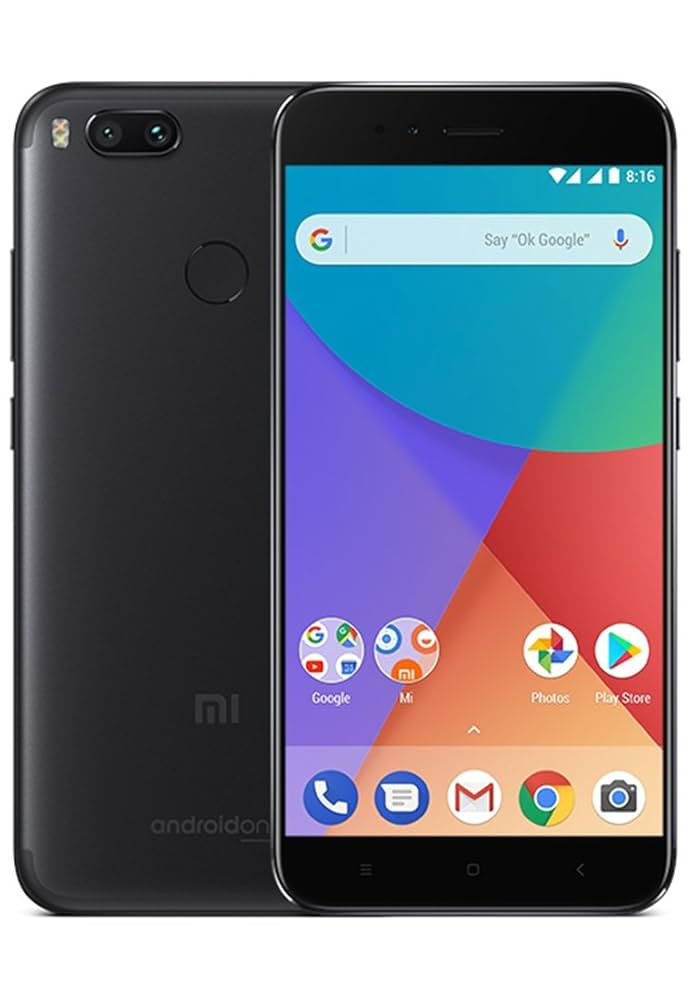
Google Repair
Need your Google Pixel fixed? At The Fix in Wilmington, NC, we repair cracked screens, charging issues, and more—always using high-quality parts for lasting results.

Tablet Repair
Whether your tablet screen is cracked or the battery won’t hold a charge, The Fix in Wilmington, NC provides fast, affordable tablet repairs with free diagnostics.

Computer Repair
Need PC or desktop service in Wilmington, NC? We provide free diagnostics and affordable repairs, always with high-quality parts.

Game Console Repair
From Nintendo Switch® to PlayStation and Xbox, The Fix in Wilmington, NC repairs all major game consoles. Fast service and dependable results.

Laptop Repair
Got a broken laptop? The Fix In Wilmington, NC, our team repairs most laptop brands and models using high-quality replacement parts.

iPad Repair
Need your iPad fixed? At The Fix in Wilmington, NC, we repair cracked screens, charging issues, and more—always using high-quality parts for lasting results.

Cell Phone Repair
We repair all major phone brands in Wilmington, NC. iPhone, Samsung, Google, and more—get your phone fixed fast.

iPhone Repair
Cracked screen? Battery draining too fast? Our team in Wilmington, NC repairs iPhones with precision and high-quality parts to make your device feel new again.

Samsung Repair
Whether it’s a Galaxy screen replacement or a charging issue, The Fix in Wilmington, NC offers fast and reliable Samsung repairs.

Xbox Repair
Xbox not working properly? Our team in Wilmington, NC offers quick, reliable Xbox repairs with free diagnostics and high-quality replacement parts.


Trusted repair solution for mobile phones, tablets, gaming consoles, and computer systems. We provide fast, reliable, and affordable repair services to get your devices back in perfect working condition.
The Fix is an independent repair service provider and is not affiliated with, sponsored by, or endorsed by Apple Inc., Samsung Electronics, Google LLC, or any other device manufacturer. We use high-quality compatible replacement parts unless explicitly stated. All trademarks are property of their respective owners.


© Copyright The Fix Solutions All rights reserved 2026.
Design by Deepcoder