



Game Console Repair in The Fix in Walmart Wilmington
Having trouble with your game console? At The Fix in Wilmington, NC, we repair all major consoles—including Nintendo Switch, PlayStation, and Xbox. Whether it’s a broken screen, overheating console, or controller drift, our technicians provide fast repairs with free diagnostics and high-quality parts.
Professional Game Console Repair Services
- Nintendo Switch Repair
- PlayStation Repair
- Xbox Repair
- Controller & Stick Drift Repair
- HDMI Port Repair & Replacement
- Overheating & Fan Repair
- Disc Drive Repair
- Power Supply Repair
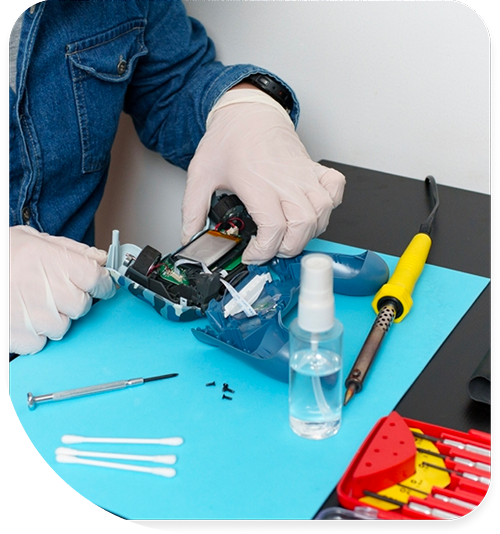
Professional Game Console Repair Services In The Fix in Walmart Wilmington
Defensive Gaming: Environmental Game Console Repair in Wilmington, NC (28403)
In Wilmington, we love our coastal lifestyle. Whether you are spending the day at Carolina Beach or fishing on the Cape Fear River, coming home to relax with your Xbox or PlayStation is the perfect end to the day. However, the very environment that makes our area beautiful—the humidity, the salt air, and the storms—poses a severe threat to your electronics. In the 28403 zip code, the air itself attacks your hardware.
At The Fix, located at 5226 Sigmon Rd inside Walmart, we believe that the best repair is prevention. We provide Game Console Repair in Wilmington, NC that addresses the root environmental causes of failure, helping you protect your investment before a catastrophic breakdown occurs.
The Threat: The "Green Fuzzy" Death (Mold & Mildew)
The Local Environment: Wilmington frequently sees humidity levels above 80%. The Hardware Risk: When high humidity mixes with the dust inside your console, it doesn't just form clogs; it creates a breeding ground for biological growth. We often open consoles from ground-floor apartments or dorms to find mold growing on the motherboard. The Preventive Repair: This is a health hazard and a hardware killer. The mold creates conductive bridges that short out circuits. We perform a bio-safe "Deep Clean," chemically removing the growth and the spore-laden dust to ensure your console is safe to use and runs cool.
The Threat: The "Salt Creep" (Corrosion)
The Local Environment: If you live anywhere near Kure Beach, Wrightsville, or the River, salt aerosols are in your home. The Hardware Risk: Salt is aggressively corrosive to copper. It eats away the delicate traces on the motherboard, leading to the dreaded "Green Death" (copper oxide). This often manifests as random shutdowns or controller disconnects. The Preventive Advice: Keep your console in a climate-controlled room (A/C reduces humidity). If you suspect exposure, bring it in for an ultrasonic cleaning to wash away the invisible salt deposits before they eat through the metal.
The Threat: The "Storm Season" Surge (Lightning)
The Local Environment: Our summer thunderstorms appear out of nowhere and pack a punch. The Hardware Risk: Lightning strikes don't just travel through power lines; they love cable and internet lines. A surge can travel through your router, into your console via Ethernet, or through your TV via the HDMI cable. This fries the "HDMI Retimer" chip, leading to a console that turns on but shows no picture. The Preventive Advice: A standard power strip offers zero protection against an HDMI surge. The only 100% effective prevention is to unplug your HDMI and Ethernet cables during severe weather. If the damage is done, we can microsolder a new chip, but prevention is free.
The Threat: The "Insect" Hotel
The Local Environment: Our warm, humid climate means pests are a reality. The Hardware Risk: The internal power supply of a console stays warm even when off (in standby). This attracts roaches and ants. They can bridge high-voltage contacts in the power supply, causing it to blow out instantly. The Preventive Repair: Regular internal cleaning removes the organic matter (dust/skin cells) that attracts these pests in the first place.
Frequently Asked Questions (Q&A)
Q: My console is loud. Can I just vacuum the vents? A: NO. This is a dangerous myth. Vacuum cleaners generate massive amounts of static electricity. A single static discharge near the USB ports or vents can short out the motherboard instantly. Always use ESD-safe methods or bring it to a pro.
Q: My disc drive is having trouble reading movies. Is the laser dead? A: Often, it's just "foggy." The humidity and airborne oils (from cooking or candles) can create a cloudy film on the laser lens. We can chemically clean the lens with specialized solvents, restoring it to perfect clarity without needing a hardware replacement.
Q: Does thermal paste really dry out? A: Yes, especially here. The constant expansion and contraction from our heat cycles pump the paste out from between the chip and the cooler. We replace it with high-grade compound that lasts longer and transfers heat better.
Keep Your Kill Streak Alive
Don't let the Wilmington environment end your game. If your console is loud, hot, or glitching, bring it to The Fix inside Walmart Wilmington on Sigmon Rd. We’ll clean out the corrosion and get you back in the lobby.
Other Locations Near By You
The Fix in Walmart Wake Forest
2114 S Main St, Wake Forest, NC 27587, United States
The Fix in Walmart Raleigh
1725 New Hope Church Rd, Raleigh, NC 27609, United States
The Fix in Walmart Salisbury
323 S Arlington St, Salisbury, NC 28144, United States
The Fix in Walmart Statesville
1116 Crossroads Dr, Statesville, NC 28625, United States
The Fix in Walmart Gastonia
3000 E Franklin Blvd, Gastonia, NC 28056, United States
The Fix in Walmart Leland
1112 New Pointe Blvd, Leland, NC 28451, United States
The Fix in Walmart Shelby
705 E Dixon Blvd, Shelby, NC 28152, United States
Your local repair experts for every device
From iPhones to gaming laptops, The Fix in Wilmington, NC is your one-stop shop for device repair. Quick turnarounds, affordable prices, and local experts you can trust
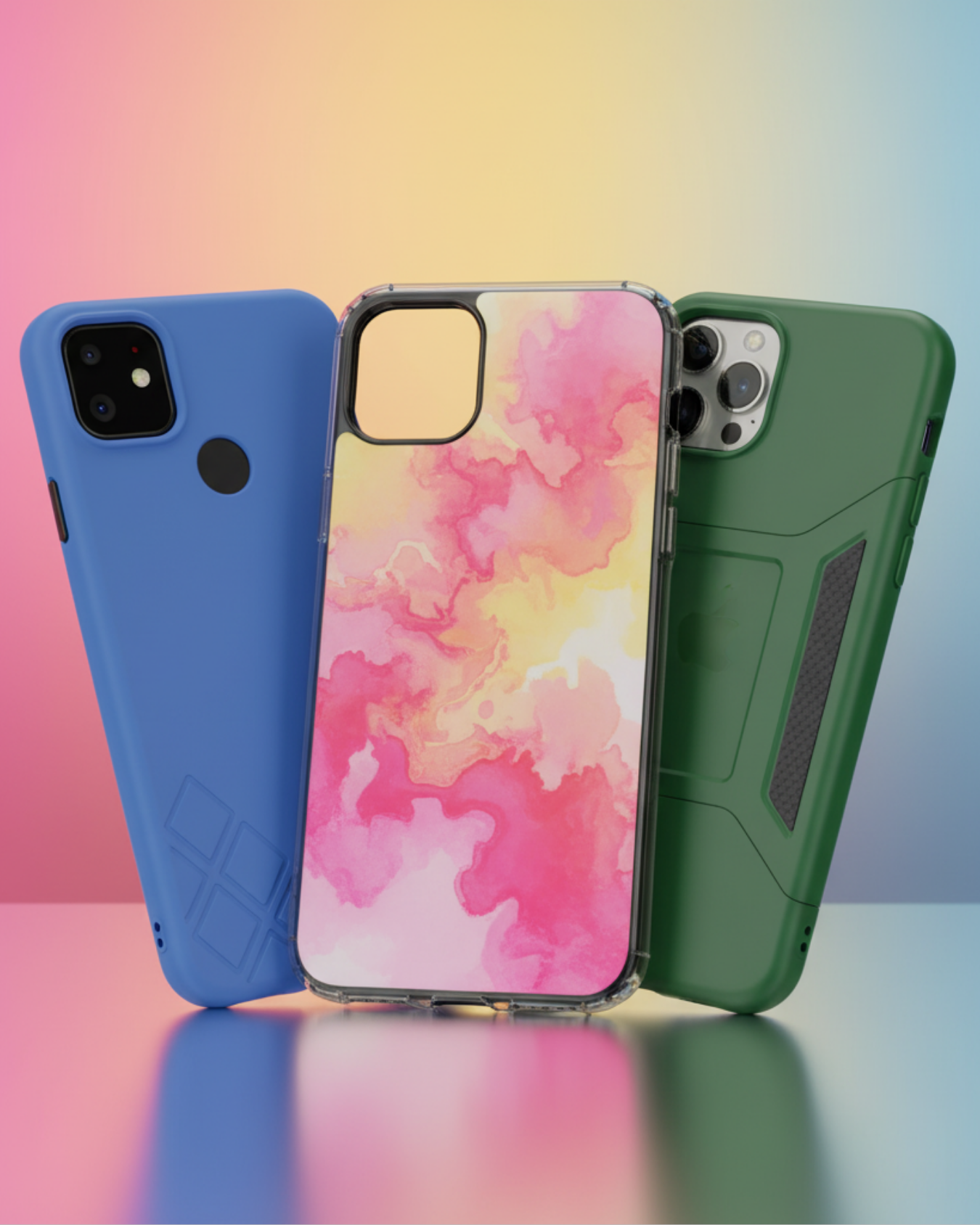
Phone Cases
Protect your device in style! At The Fix in Wilmington, NC, we offer a wide selection of durable phone cases for all major brands—sleek designs that keep your phone safe and looking great.

Nintendo Switch Repair
Cracked Nintendo Switch screen? We repair Switch devices in Wilmington, NC quickly and affordably. Fast, easy, and always with high-quality parts.

MacBook Repair
For broken screens, battery replacements, or other issues, The Fix in Wilmington, NC provides quick MacBook repairs with premium parts.

PlayStation Repair
Is your PlayStation giving you trouble? At The Fix in Wilmington, NC, we handle PlayStation repairs with care and quality parts—no long waits, no hassle.
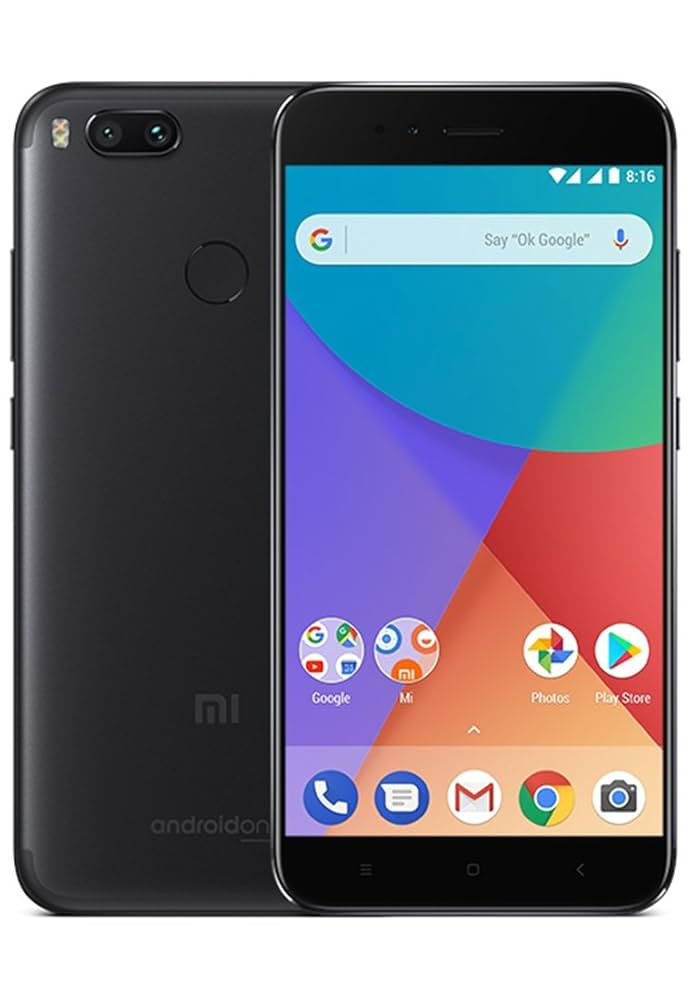
Google Repair
Need your Google Pixel fixed? At The Fix in Wilmington, NC, we repair cracked screens, charging issues, and more—always using high-quality parts for lasting results.

Tablet Repair
Whether your tablet screen is cracked or the battery won’t hold a charge, The Fix in Wilmington, NC provides fast, affordable tablet repairs with free diagnostics.

Computer Repair
Need PC or desktop service in Wilmington, NC? We provide free diagnostics and affordable repairs, always with high-quality parts.

Laptop Repair
Got a broken laptop? The Fix In Wilmington, NC, our team repairs most laptop brands and models using high-quality replacement parts.

iPad Repair
Need your iPad fixed? At The Fix in Wilmington, NC, we repair cracked screens, charging issues, and more—always using high-quality parts for lasting results.

Cell Phone Repair
We repair all major phone brands in Wilmington, NC. iPhone, Samsung, Google, and more—get your phone fixed fast.

iPhone Repair
Cracked screen? Battery draining too fast? Our team in Wilmington, NC repairs iPhones with precision and high-quality parts to make your device feel new again.

Samsung Repair
Whether it’s a Galaxy screen replacement or a charging issue, The Fix in Wilmington, NC offers fast and reliable Samsung repairs.

Xbox Repair
Xbox not working properly? Our team in Wilmington, NC offers quick, reliable Xbox repairs with free diagnostics and high-quality replacement parts.


Trusted repair solution for mobile phones, tablets, gaming consoles, and computer systems. We provide fast, reliable, and affordable repair services to get your devices back in perfect working condition.
The Fix is an independent repair service provider and is not affiliated with, sponsored by, or endorsed by Apple Inc., Samsung Electronics, Google LLC, or any other device manufacturer. We use high-quality compatible replacement parts unless explicitly stated. All trademarks are property of their respective owners.


© Copyright The Fix Solutions All rights reserved 2026.
Design by Deepcoder