






Cell Phone Repair in The Fix in Walmart Southgate
Broken phone? No problem. At The Fix in Southgate, Michigan, we repair all major cell phone brands—from iPhone and Samsung to Google and more. With free diagnostics and high-quality parts, we make it easy to get your phone working like new.

Professional Cell Phone Repair Services
- Screen Repair & Replacement
- Battery Replacement
- Water Damage Repair
- Camera Repair
- Charging Port Repair
- Speaker & Microphone Repair
- Software Troubleshooting & Recovery

Professional Cell Phone Repair Services In The Fix in Walmart Southgate
Cell Phone Repair in Southgate, MI: How Michigan's Minus-Twenty-Degree Winters Permanently Damage Battery Electrolyte in Outdoor Workers' Phones
The battery dropped to zero, and the phone died in the parking lot of the Ford River Rouge supplier facility before the end of the morning shift. In the breakroom at sixty-eight degrees, the same phone started right up and showed forty-two percent battery. It wasn't the charger. It wasn't a software bug. It was a Michigan phenomenon that auto plant parking lot workers, construction crews on the Wayne County highway projects along I-75, and utility workers in the Downriver corridor know well: lithium-ion battery capacity collapse at extreme cold. But the collapse that is visible — the phone dying at forty percent — is actually the mild version of the failure. The permanent version is what happens across an entire Michigan winter: each deep-cold event that drives the battery below its rated operating temperature advances the electrolyte decomposition that permanently reduces the cell's maximum charge capacity. By March, the phone that survived minus twenty in January has a battery that holds less charge than it did in October — not because of age, but because of irreversible cold-weather electrolyte stress.
When a cell phone's battery appears to drain faster after a Michigan winter, or the device shuts down in cold conditions at charge percentages that previously sustained operation, professional cell phone repair in Southgate, MI at The Fix on Dix-Toledo Road confirms the battery health and determines whether recalibration or replacement is the appropriate intervention. Walk-in service is available at the Walmart at 14900 Dix-Toledo Rd with no appointment required.
The Threshold Moment
The visible threshold is the first cold-shutdown event — the phone dying at an apparent charge percentage that should have sustained another hour of operation. This event feels sudden, but the electrolyte degradation that allowed it has been progressing across months of Michigan winter cold exposure. At minus twenty Fahrenheit — a temperature the Downriver area reaches multiple times each January and February — the viscosity of the lithium-ion electrolyte solution increases to the point where ion transport between cathode and anode is dramatically reduced. The battery management system reads voltage drops consistent with deep discharge and initiates protective shutdown before the cell has actually reached critical depletion. The cold-shutdown events themselves are temporary and reversible. The cumulative permanent damage accumulates separately: the low-temperature electrolyte stress accelerates the formation of solid electrolyte interphase material at the anode surface, reducing the cathode capacity available for future cycling.
Auto workers at the Tier 1 suppliers along the Wyandotte-Lincoln Park corridor and utility workers on Wayne County infrastructure projects who work outdoors through Michigan's coldest weeks face the most severe battery cold-exposure accumulation. A phone kept in an outer jacket pocket through a seven-hour shift in minus fifteen degree temperatures experiences hours of cold-exposure electrolyte stress per day. Over January and February's combined twenty to thirty working days at these temperatures, the permanent capacity reduction from solid electrolyte interphase formation is measurable against October battery health readings.
How It Compounds
Michigan road brine from the I-75 and Dix-Toledo Road maintenance adds a parallel charging port corrosion pathway that compounds the battery's capacity decline. When a cold-exposed phone is brought inside to charge after a Downriver winter shift, the temperature differential between the phone's cold exterior and the warm indoor air triggers condensation on the USB-C port's contact pins. In the presence of road brine chloride residue from the worker's vehicle or work bag, this condensation creates an activated chloride solution on the port pins — the most aggressive form of galvanic corrosion. The port's contact resistance rises, charging efficiency falls, and the already cold-stressed battery undergoes inefficient charge cycles that accelerate the capacity decline further.
The power management IC is a tertiary failure point from Michigan's cold exposure. At minus twenty, the PMIC's switching efficiency decreases because the semiconductor mobility of the chip's transistor channels decreases at low temperature. A phone that experiences multiple hours at extreme cold temperatures — as in an outdoor worker's pocket through a Michigan January shift — subjects the PMIC to sustained below-design-temperature operation. The cumulative effect of this cold-temperature switching stress on the PMIC's gate oxide layers is analogous to the static discharge mechanism described in the phone cases article — below individual event damage threshold, but cumulatively reducing gate oxide integrity. The Fix assesses battery health, port condition, and charging behavior in the same diagnostic visit.
Where It Ends Up
Battery capacity permanently reduced by Michigan cold-exposure electrolyte stress does not recover with software recalibration or warm-temperature cycling. The solid electrolyte interphase material that has formed at the anode surface is not reversible. Battery replacement is the only path to restoring full capacity. The Fix measures current capacity against its specification — distinguishing temporary cold-performance suppression from permanent capacity loss — before recommending replacement.
For those needing cell phone repair in Southgate, The Fix at the Dix-Toledo Walmart provides walk-in battery health assessment and replacement with no appointment required.
Field Notes from Southgate
Is a Southgate phone that dies in cold weather at 30% battery always a sign the battery needs replacement?
Not always — the first cold-shutdown events are often temporary BMS calibration drift rather than permanent capacity loss. The diagnostic distinction is persistence: if battery performance at room temperature has also declined compared to the previous season — shorter runtime at normal indoor temperatures — permanent cold-weather electrolyte damage has accumulated. If room-temperature performance is still adequate and only cold-weather operation is affected, BMS calibration adjustment may address the cold-shutdown behavior. A battery capacity test at The Fix measures both the current maximum capacity and the room-temperature performance curve to make this distinction precisely.
Does Michigan's minus-twenty-degree winter actually permanently damage cell phone batteries for Downriver outdoor workers?
Yes — sustained low-temperature electrolyte stress in lithium-ion batteries accelerates the formation of solid electrolyte interphase material at the anode surface, permanently reducing the cathode capacity available for future cycling. This is distinct from the temporary, reversible capacity suppression that occurs at cold temperatures due to reduced ion mobility. For Southgate outdoor workers who carry their phones in outer jacket pockets through multiple shifts at minus fifteen to minus twenty degrees, the cumulative permanent capacity reduction from a Michigan winter is measurable against fall battery health readings.
Where do Southgate outdoor workers take their phone for battery assessment after a Michigan winter?
The Fix is located inside the Walmart at 14900 Dix-Toledo Rd, Southgate, MI 48195. Walk-in service is available with no appointment required for same-visit battery capacity measurement and charging port assessment.
Other Locations Near By You
The Fix in Woodland Mall
3195 28th St SE, Woodland Mall #Suite E109 Grand Rapids, MI 49512, United States
Your local repair experts for every device
From iPhones to gaming laptops, The Fix in Southgate, Michigan is your one-stop shop for device repair. Quick turnarounds, affordable prices, and local experts you can trust

Phone Cases
Protect your device in style! At The Fix in Southgate, Michigan, we offer a wide selection of durable phone cases for all major brands—sleek designs that keep your phone safe and looking great.

Nintendo Switch Repair
Cracked Nintendo Switch screen? We repair Switch devices in Southgate, Michigan quickly and affordably. Fast, easy, and always with high-quality parts.

MacBook Repair
For broken screens, battery replacements, or other issues, The Fix in Southgate, Michigan provides quick MacBook repairs with premium parts.

PlayStation Repair
Is your PlayStation giving you trouble? At The Fix in Southgate, Michigan, we handle PlayStation repairs with care and quality parts—no long waits, no hassle.
Google Repair
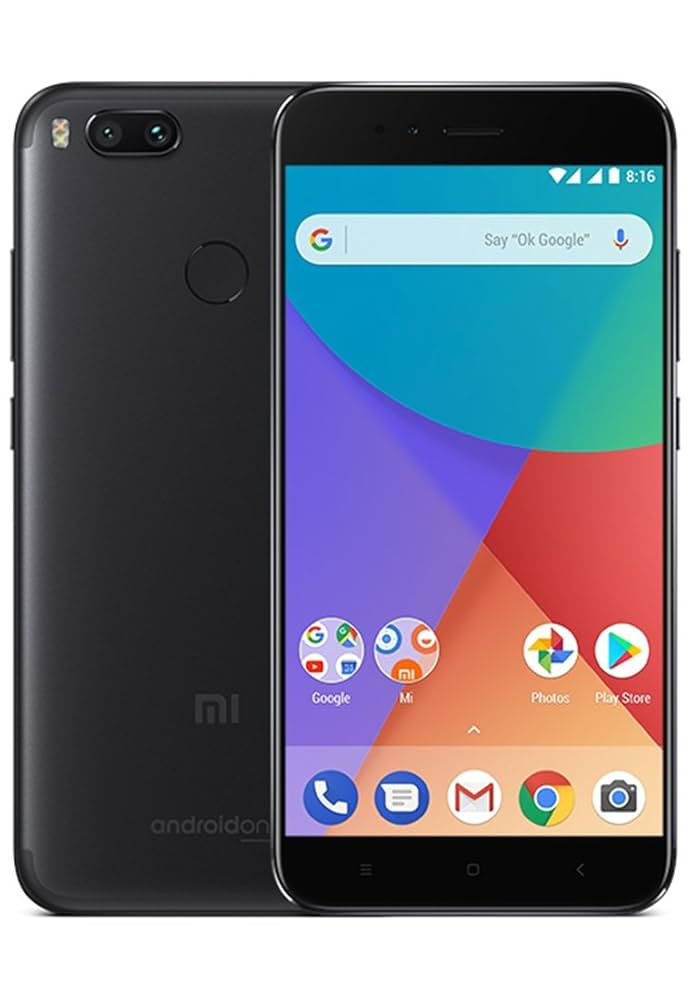
Need your Google Pixel fixed? At The Fix in Southgate, Michigan, we repair cracked screens, charging issues, and more—always using high-quality parts for lasting results.

Tablet Repair
Whether your tablet screen is cracked or the battery won’t hold a charge, The Fix in Southgate, Michigan provides fast, affordable tablet repairs with free diagnostics.

Computer Repair
Need PC or desktop service in Southgate, Michigan? We provide free diagnostics and affordable repairs, always with high-quality parts.

Game Console Repair
From Nintendo Switch® to PlayStation and Xbox, The Fix in Southgate, Michigan repairs all major game consoles. Fast service and dependable results.

Laptop Repair
Got a broken laptop? The Fix In Southgate, Michigan, our team repairs most laptop brands and models using high-quality replacement parts.

iPad Repair
Need your iPad fixed? At The Fix in Southgate, Michigan, we repair cracked screens, charging issues, and more—always using high-quality parts for lasting results.

iPhone Repair
Cracked screen? Battery draining too fast? Our team in Southgate, Michigan repairs iPhones with precision and high-quality parts to make your device feel new again.

Samsung Repair
Whether it’s a Galaxy screen replacement or a charging issue, The Fix in Southgate, Michigan offers fast and reliable Samsung repairs.

Xbox Repair
Xbox not working properly? Our team in Southgate, Michigan offers quick, reliable Xbox repairs with free diagnostics and high-quality replacement parts.


Trusted repair solution for mobile phones, tablets, gaming consoles, and computer systems. We provide fast, reliable, and affordable repair services to get your devices back in perfect working condition.
The Fix is an independent repair service provider and is not affiliated with, sponsored by, or endorsed by Apple Inc., Samsung Electronics, Google LLC, or any other device manufacturer. We use high-quality compatible replacement parts unless explicitly stated. All trademarks are property of their respective owners.


© Copyright The Fix Solutions All rights reserved 2026.
Design by Deepcoder