




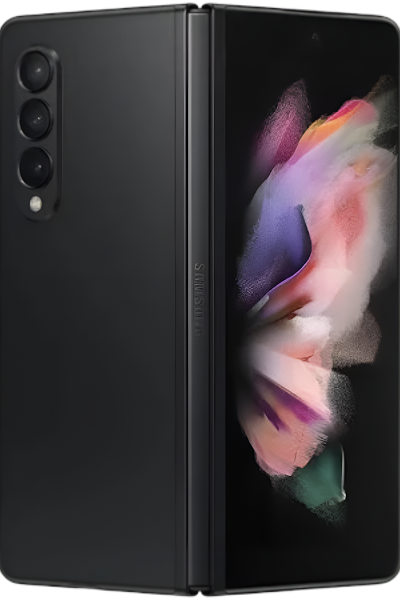
Samsung Galaxy Z Fold3 5G Repair Services
Get fast, reliable, and professional Samsung Galaxy Z Fold3 5G repair services at The Fix — your trusted destination for expert device care.
Common Repairs We Handle Daily


What's Wrong With Your Samsung Galaxy Z Fold3 5G? Complete Samsung Galaxy Z Fold3 5G Repair Help
What's wrong with your Fold3 when it seemed fine just months ago? The screen protector's completely lifted now and you can't ignore it anymore. The hinge feels rough and makes concerning sounds. Battery life has gotten terrible—you're charging three times a day. That crease is so pronounced you can feel it with every swipe. For a phone that cost nearly $1,800 at launch, these problems are beyond frustrating.
Here's the reality—your Galaxy Z Fold3 launched in August 2021, making it over three years old now. Three years is a long time for any phone, but especially for a foldable with moving parts and flexible displays. The issues you're experiencing aren't mysteries or random failures. They're predictable aging patterns on a first-gen water-resistant foldable that's lived a hard life. Professional Samsung Galaxy Z Fold3 5G repair addresses these issues, but understanding what's actually failing helps you decide whether repair makes sense on a three-year-old foldable. This guide explains exactly what's happening and provides your complete Samsung Galaxy Z Fold3 5G repair help for each problem.
Why No Phone Lasts Forever
Your Fold3 is like a mechanical watch worn daily for three years—still functional, but everything's showing wear. The gears don't mesh as smoothly, lubrication has degraded, precision tolerances aren't as tight. Except your Fold3 is infinitely more complex than any watch.
Think about folding and unfolding your phone sixty times a day. That's over 65,000 folds in three years. Every single fold stresses the hinge mechanism with its dozens of precision components. Every fold flexes that Ultra Thin Glass display at the crease point. Every fold works the protective layers, adhesives, and OLED materials. The engineering is remarkable, but 65,000 cycles of anything creates wear.
Your battery has been through roughly 1,100 charge cycles. Each one causes chemical changes inside those lithium-ion cells. At three years, you're realistically at 70-75% of original capacity if you've been lucky—many Fold3 batteries are down to 65% or less. The dual battery design (one on each side of the hinge) means if cells degrade at different rates, you get really unpredictable battery behavior.
The screen protector on the inner display was never meant to last three years. Samsung knows this—it's a consumable component like brake pads on a car. After three years and 65,000+ folds, complete protector failure is normal, not defective. The adhesive has failed. The film itself has stress fractures. Lifting and bubbling are inevitable.
Your hinge has experienced 65,000 open/close cycles. Despite being the first water-resistant Fold, debris still infiltrates over time. Lubrication inside shifts or degrades. Springs settle. Friction elements wear. Metal components show fatigue. The hinge that felt perfect when new has three years of accumulated wear.
The Fold3 was the first foldable with Under Display Camera (UDC) on the inner screen. This technology was new in 2021, and after three years, the display area over that camera often shows more visible aging than surrounding areas. The crease has become significantly more pronounced—not failure, just material fatigue from 65,000 flexing cycles.
Software complexity is enormous after three years. Your Fold3 launched with Android 11. It's received multiple major updates. System files have bloated to many gigabytes. App caches consume massive storage. Background processes number in the hundreds. Everything compounds to create the sluggish, glitchy performance you're experiencing.
Understanding this level of accumulated wear helps set realistic expectations about what repair can accomplish on a three-year-old foldable.
Screen Protector Complete Failure
What you're experiencing: The factory screen protector is completely lifted now, bubbled extensively, or might have partially peeled off. There are visible wear lines and stress marks throughout. The protector feels rough under your finger. You're worried about using the phone without it, but the protector is so degraded it's interfering with touch response.
Why this happens: Three years and 65,000+ folds mean total protector failure. The adhesive has completely degraded—it simply can't hold anymore after this much use. The protective film itself has developed stress fractures from constant flexing. Heat, humidity, and oils from your fingers have accelerated degradation over three years.
At launch, Samsung estimated protector lifespan at 12-18 months with normal use. You're at 36+ months. Complete failure isn't surprising—it's overdue. If you've used your Fold3 heavily, in humid climates, or with sweaty hands frequently, protector degradation is even worse.
What you can try: Nothing at this point—don't try to remove it yourself, don't try to reattach lifted areas, don't try to smooth it down. Professional replacement is the only solution. Attempting DIY removal risks damaging the actual OLED display underneath, creating a much bigger problem.
You can carefully continue using the device if you must, but avoid pressing on lifted areas and plan for immediate professional replacement. The longer you wait, the higher the risk of display damage from debris getting under the lifted protector.
The consistent trend we observe: Complete screen protector failure on three-year-old Fold3 devices is universal. Every Fold3 we see at this age needs protector replacement. It's not a repair question—it's mandatory maintenance. We carefully remove the failed protector, clean the display thoroughly, and apply a fresh protector. Your Fold3's inner display feels usable again.
Hinge Mechanism Degradation
What you're noticing: Your Fold3's hinge feels significantly different than when new. There's noticeable grinding or grating sensation when opening or closing. You hear distinct clicking, creaking, or popping sounds. The hinge might feel stiff in certain positions, or conversely, looser and less precise than you remember. Opening and closing doesn't feel smooth anymore.
Why this happens: 65,000 open/close cycles create substantial mechanical wear on hinge components. Those precision cams, springs, friction elements, and bushings have experienced three years of constant use. Microscopic debris has infiltrated despite IPX8 water resistance—the hinge has moving parts and can't be completely sealed.
Lubrication inside the hinge has degraded significantly over three years. What was once smooth bearing surfaces now have friction. Metal components show fatigue from repeated stress cycles. If you've dropped your Fold3 (and most people have over three years), internal components might have shifted or sustained impact damage.
Temperature cycling over three years affects metal hinge components. Expansion and contraction from seasons and environments gradually change how parts fit together. The precise tolerances that made the hinge feel perfect when new are no longer as tight after three years of thermal cycling and mechanical wear.
What you can try: Clean around the hinge area thoroughly with a soft brush. Open and close slowly several times to see if debris clears. Don't use compressed air directly into the hinge—you might push debris deeper or damage seals. Be gentle—don't force the hinge if it's feeling stiff.
Realistically, at three years with significant symptoms, hinge cleaning rarely fully resolves issues. The problems are usually internal mechanical wear, not just surface debris.
Working with these daily teaches you: Hinge degradation on three-year-old Fold3 devices often requires professional service. We can inspect the mechanism, determine if cleaning helps, or assess whether component wear needs repair. Hinge repair on foldables is specialized work—it's not like traditional phone repairs. We're upfront about complexity and costs.
Battery Life Gone Wrong
What you're dealing with: Your Fold3 barely makes it to afternoon on a full charge. You're charging 3-4 times daily just to keep it alive. Battery percentage drops in enormous chunks—50% to 15% in minutes. The phone shuts down unexpectedly at 20-30% remaining. It gets quite warm during charging or use.
Why this happens: Three years and ~1,100 charge cycles mean severe battery degradation. That 4,400mAh total capacity from new is realistically closer to 2,900-3,300mAh now. The battery management system calibrated for fresh 2021 batteries has no idea how to read batteries this degraded. That's why you get massive percentage drops and unexpected shutdowns.
The Fold3's power-hungry features—7.6-inch inner display at 120Hz, powerful processor, dual displays, 5G—have demanded frequent charging for three years. Heavy users have probably charged twice daily many days, dramatically accelerating degradation. The Snapdragon 888's thermal characteristics mean batteries have been exposed to significant heat for three years.
At three years, battery chemistry has fundamentally changed. Lithium ions don't move efficiently anymore. Internal resistance has increased substantially. The batteries can't deliver current quickly, which is why the phone feels sluggish even at moderate charge levels.
What you can try: Check battery health in Settings, but honestly, at three years with these symptoms, the numbers don't matter much. You need replacement. Optimization or settings changes don't help batteries at 65-70% capacity.
The question isn't whether to replace batteries—it's whether battery replacement on a three-year-old foldable makes economic sense versus putting money toward something newer.
What actually happens with most units: Battery replacement on three-year-old Fold3 devices is transformative but expensive. Dual batteries in a folding form factor require specialized service. At The Fix, we handle it carefully, but we're honest about repair economics on three-year-old devices. Sometimes it makes sense, sometimes it doesn't.
The Crease Became a Canyon
What you're seeing: That crease down the middle of your inner display is dramatically more visible and tactile than when new. You can feel it significantly when swiping. It's obvious in all lighting. You might see slight discoloration or changes in how the display looks along the crease line.
Why this happens: 65,000 flexing cycles create substantial material fatigue at the folding point. The Ultra Thin Glass, OLED layers, adhesives, and protective films all show stress from three years of constant flexing. The crease that was barely noticeable when new is now prominent—that's normal material aging, not failure.
The Fold3's Under Display Camera area might show additional stress patterns near the crease. This was Samsung's first implementation of UDC, and the display materials in that area can age differently than surrounding display.
What you can try: Accept it—the prominent crease is normal wear on a three-year-old foldable. Don't try to "fix" it. Avoid folding with maximum force. Be gentle when opening and closing. Don't fold in extreme temperatures.
If the crease is just visible and tactile but the display functions perfectly, that's cosmetic aging. If you see weird colors, dead spots, or touch issues specifically at the crease, that's when you need professional assessment.
Real-world repair results show: Crease prominence on three-year-old Fold3 devices is universal and normal. Actual crease-related display failures requiring repair are less common but do occur. At The Fix, we distinguish between normal aging and actual failure. Most creases are just cosmetic wear.
Charging Port Failure
What's happening: Cables don't stay in your USB-C port. They wiggle extensively and fall out constantly. Charging only works at very specific angles you have to hold. Often the phone doesn't detect charging at all. "Moisture detected" warnings appear constantly despite the phone being dry for days.
Why this happens: Three years and 1,100+ cable insertions mean severe port wear. There's three years' worth of compressed debris creating serious insulation between contacts. Retention clips are worn down to barely functional. Internal pins likely show corrosion and significant mechanical wear.
What you can try: Thorough cleaning is worth trying but unlikely to fully fix a three-year-old port. Inspect with a flashlight and clean with a wooden toothpick. Use compressed air carefully.
At three years with severe symptoms, port replacement is inevitable. At The Fix, we replace the USB-C flex cable assembly. Your Fold3 charges normally again, but this is significant service on a three-year-old device—we discuss whether the investment makes sense.
Inner Display Problems
What you're experiencing: Lines across the inner display, dead pixels, large discolored areas, or zones where touch doesn't respond. In severe cases, portions of the display are completely dark or non-functional.
Why this happens: Three years of folding creates cumulative stress. If debris got between displays even once when folding, it can cause pressure damage. Drops, water infiltration through the hinge, or just accumulated stress from 65,000 folds can cause display failure.
What you can try: Back up data immediately. Stop folding if possible. Seek professional diagnosis quickly. Don't attempt any DIY fixes.
Our repair data reveals something interesting: Display failures on three-year-old Fold3 devices are expensive repairs on devices with limited remaining value. We diagnose the issue, but we're brutally honest about repair economics. Display replacement often costs more than the device is worth at three years old.
Performance Feels Ancient
What's going on: Everything is slow. Apps take 15-20 seconds to open. Massive lag switching between apps. Constant stuttering and freezes. Your former flagship feels obsolete.
Why this happens: Three years of updates and accumulated digital clutter create massive performance degradation. System files consume many gigabytes. Storage is probably 90%+ full. The Snapdragon 888 is three generations old now and shows its age.
What you can try: Clear system cache. Aggressively uninstall apps. Clear all app caches. Free up storage to 25%+ available. Disable bloatware. Factory reset (backup first).
Honestly, aggressive optimization only helps so much on three-year-old hardware. The device is genuinely old now.
Restore Your Samsung Galaxy Z Fold3 5G: Professional Samsung Galaxy Z Fold3 5G Repair
Let's be completely honest about three-year-old foldable repair economics.
Realistic Assessment
Your Fold3 is three years old—that's elderly for foldables. We evaluate honestly: screen protector (needs replacement), hinge condition (likely degraded), battery health (probably terrible), display quality (showing age), charging port (probably worn).
We're looking at multiple age-related issues, not one isolated problem.
The Economics Talk
This is where we're frank. If your Fold3 needs screen protector, battery, charging port, and has hinge issues, you're looking at substantial investment in a three-year-old device worth maybe $300-400 used. We discuss whether that math works.
Sometimes the answer is clear—screen protector replacement alone to get another 6-12 months might make sense. Multiple expensive repairs? We tell you honestly when it doesn't make economic sense.
Quality Work When Justified
If repair is sensible, we do quality work. Screen protector replacement, battery service, port replacement—we treat your Fold3 professionally despite its age.
Honest Expectations
We're clear about what repair accomplishes. New screen protector and battery improve usability dramatically, but your three-year-old foldable won't perform like newer devices. We make sure you understand what was fixed and what age-related limitations remain.
Your Fold3's Repair Decision
Your Galaxy Z Fold3 5G is over three years old—screen protector failure, hinge degradation, battery failure, prominent crease, and charging issues are expected. Professional Samsung Galaxy Z Fold3 5G repair can address problems, but economics matter critically on three-year-old foldables.
Having issues with your Fold3? The Fix can help—come see us anytime. We'll assess your three-year-old foldable honestly, explain repair options and realistic costs, and give you frank guidance on whether repair makes sense or if it's time to move on. We specialize in honest advice about aging foldables.


Trusted repair solution for mobile phones, tablets, gaming consoles, and computer systems. We provide fast, reliable, and affordable repair services to get your devices back in perfect working condition.
The Fix is an independent repair service provider and is not affiliated with, sponsored by, or endorsed by Apple Inc., Samsung Electronics, Google LLC, or any other device manufacturer. We use high-quality compatible replacement parts unless explicitly stated. All trademarks are property of their respective owners.


© Copyright The Fix Solutions All rights reserved 2026.
Design by Deepcoder