





Samsung Galaxy S10 Plus Ceramic Repair Services
Get fast, reliable, and professional Samsung Galaxy S10 Plus Ceramic repair services at The Fix — your trusted destination for expert device care.
Common Repairs We Handle Daily


Fix Your Samsung Galaxy S10 Plus Ceramic Fast: Complete Repair Roadmap
You didn't just buy a phone—you bought Samsung's 2019 masterpiece. The S10 Plus Ceramic Edition with its white or black ceramic back, 12GB of RAM, and 1TB of storage was their ultimate flagship statement. But here's what nobody tells you about ceramic phones: when something breaks, it's often more complex to repair than standard glass models.
If your S10 Plus Ceramic's battery is barely making it to lunch, that curved display has a crack spreading, or the charging port's acting up—you need to know your options. This guide cuts through the confusion and shows you exactly how to get your premium device fixed right. Let's get your Samsung Galaxy S10 Plus Ceramic repair sorted.
Getting to Know Your S10 Plus Ceramic
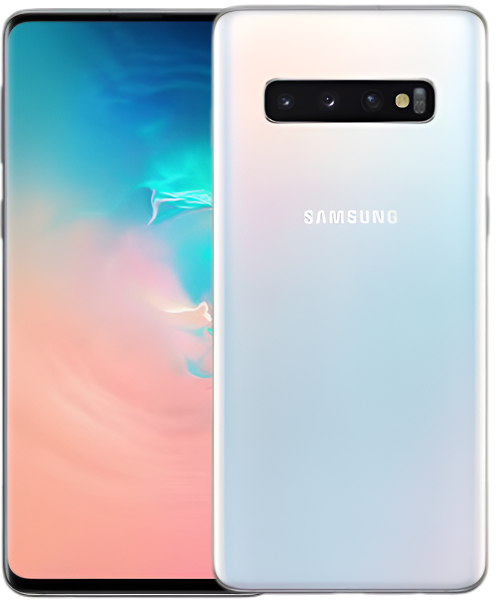
Samsung released the S10 Plus Ceramic in early 2019 as their "money's no object" flagship. And they went all out—ceramic back instead of glass (more scratch-resistant but way harder to repair), massive 6.4-inch curved Dynamic AMOLED display, triple rear cameras, dual front cameras, and that insane 12GB RAM + 1TB storage combo. Only available in ceramic white or black, these phones cost significantly more than standard S10 Plus models.
What makes the Ceramic Edition interesting from a repair perspective? That ceramic back is incredibly durable against scratches but shatters differently than glass when dropped. It's also harder to remove without cracking, which affects repair complexity and cost. At The Fix, we've developed specific techniques for ceramic Samsung models because standard heat-and-pry methods don't work the same way.
What Causes Tech to Break Down
Your S10 Plus Ceramic is fighting against physics and chemistry every single day. Let's talk about what's actually happening inside that premium device.
Picture a cordless drill you've owned for years. Brand new, it powers through tasks all day long. After years of charging and use, it barely completes one job before needing a recharge. Your phone's 4,100mAh battery follows the same path—lithium-ion cells degrade with every charge cycle, and fast charging accelerates this by generating heat. After five years of daily charging, your battery's probably holding 60% of its original capacity at best.
Your curved display faces unique stresses. Those beautiful edge curves that Samsung's famous for? They're also weak points. When you drop the phone, impact force concentrates at the curves where glass is thinnest. The AMOLED panel underneath is incredibly fragile—thinner than you'd believe—and even drops that don't visibly crack the glass can damage the display layer, causing dead pixels or touch issues that spread over time.
The USB-C charging port goes through constant mechanical wear. Think about a zipper you've used thousands of times—eventually the teeth don't mesh as smoothly and it gets stuck or separates. Your charging port's internal contacts experience similar wear from twice-daily plugging over five years. Add compressed pocket lint deep in the connector, and you've got charging problems. The metal contacts wear down microscopically with each cable insertion until connection becomes unreliable.
That ceramic back, while incredibly scratch-resistant, presents its own aging challenges. The ceramic doesn't yellow or show wear like glass, but the adhesive bonding it to the frame degrades over time from heat cycles and flexing. If you've dropped the phone, that ceramic can develop internal fractures you can't see—it stays intact but loses structural integrity. When we open these phones for repair, that compromised ceramic often cracks during the careful heating process required for access.
Software complexity grows constantly too. Your S10 Plus Ceramic launched with Android 9 and has been through multiple major updates. Each update adds security improvements, new features, and more background processes. That Snapdragon 855 processor is still powerful, but it's managing a much heavier software load than it was designed for. Combine that with apps that have bloated over the years, and performance naturally degrades.
1. Your Battery Barely Makes It Through the Day
What you're experiencing: Full charge at 7 AM, dead by 3 PM with normal use. Or it dies suddenly at 25% remaining. Charging takes 3+ hours to full. The phone—especially that ceramic back—gets uncomfortably hot during charging or use. Battery percentage jumps around weirdly, showing 60% one moment and 42% the next.
Why this happens: That 4,100mAh battery seemed generous in 2019, but five years of charge cycles have seriously degraded capacity. The ceramic back actually retains heat more than glass, so your battery's been exposed to higher average temperatures over its life, accelerating chemical degradation. Fast charging and wireless charging both generate significant heat that cooks the battery slowly. The phone's power management system is trying to compensate for a battery that can't deliver the power it once did.
What you can try:
- Check Settings → Device Care → Battery for detailed usage stats. Identify power-hungry apps and restrict their background activity.
- Disable Always-On Display and reduce screen resolution from WQHD+ to FHD+—that huge curved AMOLED is a battery monster.
- Turn off features you don't need—location services, Bluetooth when not in use, WiFi scanning.
- Factory reset after complete backup—sometimes accumulated software cruft causes phantom battery drain.
Our repair data reveals something interesting: Nearly every S10 Plus Ceramic we test shows battery capacity below 65%. That ceramic back makes battery replacement slightly more complex because heat distribution during opening is different than glass models. But a fresh battery plus some software optimization typically brings these phones back to all-day endurance easily.
2. When Your Screen Acts Weird
What you're experiencing: Crack running down the curved edge of the display. Or the whole screen spider-webbed from a drop. Touch works but there's a dead zone. Green tint appearing on parts of the screen, especially at low brightness. Or phantom touches registering randomly, or certain areas stopped responding to touch entirely.
Why this happens: Those gorgeous curved edges are structural weak points where glass is thinnest. Drops concentrate impact at the curves. Screen protectors can't properly protect curved edges, leaving them vulnerable. The AMOLED panel underneath can get damaged even when the glass looks fine—this causes the green tint issue or touch problems. Temperature cycling causes existing cracks to spread as glass expands and contracts daily.
What you can try:
- If touch still works perfectly, apply a UV-cured glass screen protector immediately to prevent crack spreading and protect from further damage.
- For the green tint issue, try adjusting screen mode in Settings → Display → Screen Mode. Sometimes switching between Vivid and Natural helps.
- Back up all data right now—screen damage often deteriorates rapidly and suddenly.
- Boot into Safe Mode (Power + Volume Down) to rule out app-caused touch issues.
3. The Battery Situation
What you're experiencing: USB-C cable feels loose in the port. You've got to position it perfectly to start charging. Sometimes charging works, sometimes it doesn't, with no clear pattern. Wireless charging still works but wired doesn't. Data transfer to your computer is flaky or completely fails.
Why this happens: Five years of twice-daily cable insertions means over 3,500 plug cycles. Those internal metal contacts are worn. Way more commonly, pocket lint gets packed incredibly deep into that USB-C port, preventing the cable from fully inserting and making contact. The charging flex cable inside can also work loose from the motherboard after drops or flexing from being in tight pockets.
What you can try:
- Power off completely, then carefully use a wooden toothpick (absolutely never metal—you'll short the contacts) to scrape out the charging port. You'll likely extract a surprising amount of compressed lint.
- Follow with compressed air to clear remaining debris.
- Test with multiple cables—sometimes the cable's worn out rather than the port.
- Try wireless charging to isolate whether this is a port problem or a battery/charging circuit issue.
4. That Gorgeous Display Just Cracked
What you're experiencing: Apps taking forever to open. Camera freezing when you launch it. Switching between apps feels sluggish with noticeable delays. Phone occasionally gets hot for no apparent reason. Random reboots happening weekly or more. Animations stuttering that used to be smooth.
Why this happens: Years of software updates, app installations, and accumulated cache data are bogging down your system. Background processes you forgot about are running constantly. That 12GB of RAM helps, but bloated software still impacts performance. Sometimes a rogue app gets stuck in a loop, draining resources and heating up the processor unnecessarily.
What you can try:
- Check Device Care → Memory to see what's consuming RAM. Force stop apps you're not actively using.
- Clear system cache by booting into Recovery Mode (specific steps vary by carrier model).
- Review installed apps and uninstall anything you haven't used in 6+ months.
- Factory reset as a nuclear option—backup everything first, but this often resolves mysterious performance degradation completely.
5. Camera Problems Are Driving You Crazy
What you're experiencing: Photos looking soft or out of focus in good lighting. Camera app crashes when opening or switching between lenses. The telephoto or ultra-wide camera refuses to activate. Night mode photos look terrible compared to when the phone was new. Pictures have spots or haze that weren't there before.
Why this happens: Three rear camera lenses mean three opportunities for problems. Lenses accumulate microscopic scratches from pockets and surfaces. Optical image stabilization can fail from drops—those motors are delicate. Drops also misalign camera modules slightly, causing focus issues. Software bugs after Android updates cause crashes. The telephoto camera's particularly finicky and often the first to act up.
What you can try:
- Clean all camera lenses thoroughly with proper microfiber cloth—simple but effective in surprising cases.
- Clear Camera app cache and data completely (Settings → Apps → Camera → Storage).
- Test each camera individually in Pro mode to isolate which specific lens is problematic.
- Try a third-party camera app like GCam port—if it works fine, you've got a software issue rather than hardware.
From Broken to Fixed: Your S10 Plus Ceramic Journey
Let's walk through our process so there are zero surprises about how we handle your premium device at The Fix.
Initial Diagnostic Phase
Your S10 Plus Ceramic gets comprehensive testing, not just the issue you mentioned. We start with professional battery diagnostics that measure actual capacity in milliamp-hours—you'll see real numbers, not vague percentages. That curved display gets tested systematically across every millimeter for dead pixels, touch accuracy, pressure sensitivity, and the green tint issue common in S10 AMOLED panels.
All three rear cameras (wide, telephoto, ultra-wide) and both front cameras get tested individually. We verify autofocus speed, optical image stabilization, lens switching, and image quality. The in-display ultrasonic fingerprint sensor gets tested extensively since it can be finicky. We check face unlock functionality. The USB-C port connects to our charging analyzer to measure actual power draw and verify data transfer capability—sometimes charging works but data pins are damaged.
We run thermal testing under load to identify overheating issues that point to battery problems or failing thermal management. Water damage indicators get checked because moisture completely changes repair strategy. That ceramic back gets inspected for hidden cracks—ceramic can fracture internally while looking perfect externally, and this affects our opening approach.
The Technical Discussion
We show you exactly what diagnostics revealed. If your battery tested at 58% capacity, you'll see the numbers. If the display has spreading dead pixels from internal damage, we'll point them out. When multiple issues exist—like degraded battery AND a cracked screen—we discuss whether fixing both makes sense or if one repair gets you most benefit.
Here's the ceramic conversation we have: That ceramic back is premium and beautiful, but it makes repairs more complex. If we're doing battery replacement and your ceramic back has any existing damage, there's risk it could crack during the careful heating process required to open the phone. We assess that risk honestly before proceeding. For screen replacements, we explain that curved AMOLED assemblies for flagship Samsung phones aren't cheap—but the alternative is replacing a phone that cost over $1,200 new.
We discuss parts quality using allowed terminology. The components we use are tested and reliable—we stand behind our work completely. Repair timeframes are explained realistically: battery replacement is same-day service, screen replacement takes a few hours, and charging port micro-soldering requires additional time for precision work.
The Repair Execution
Battery replacements on the Ceramic Edition require extra care. We apply controlled, even heat to that ceramic back—the temperature distribution is different than glass, and we've developed specific techniques through experience. Once opened, the old battery's carefully disconnected and removed—it's firmly adhered and requires patience. The new battery gets tested under load before installation. We verify all ribbon connections are secure, close everything up with fresh adhesive, and run charging tests to confirm proper function.
Screen replacements involve the full front assembly since display, glass, and digitizer are fused together. We carefully transfer the dual front camera assembly and earpiece speaker. Every cable connection—display, digitizer, fingerprint sensor—needs perfect seating. We calibrate the ultrasonic fingerprint sensor with the new display because slight variations in screen thickness affect its performance. Touch response gets tested across the entire curved surface before we declare it done.
Charging port replacements need micro-soldering expertise. We desolder the old USB-C port from the motherboard and install a new one—this is precision work requiring steady hands and proper equipment. We test charging with multiple cables, verify fast charging negotiates properly, confirm data transfer works, and check that the port physically holds cables securely.
Quality Validation Process
Every repaired device goes through our full testing protocol. Fresh batteries charge to 100%, then we verify they hold charge properly overnight and don't exhibit abnormal heat. New screens get tested for dead pixels, touch accuracy across the entire curved surface, color uniformity, and proper brightness adjustment. That ultrasonic fingerprint sensor gets tested 20+ times to ensure it's working consistently with the new display.
We run through all functions systematically—every physical button, both speakers, microphone, proximity sensor, ambient light sensor, face unlock, all five cameras in multiple modes, wireless charging, NFC, Samsung Pay, and Samsung DeX. The phone gets stress-tested under load to verify thermal management is working properly. We clean it thoroughly because returning a premium ceramic phone with our fingerprints all over it would be unprofessional. New displays get a quality screen protector applied.
Do's and Don'ts for Your Ceramic Edition
Absolute Essentials:
- Case with substantial edge protection—curved screens are expensive to replace
- UV-cured tempered glass screen protector properly applied to those curves
- Monthly USB-C port cleaning with wooden toothpick—prevents 80% of charging issues
- Never leave in hot cars—that ceramic retains heat and cooks your battery faster
Smart Habits:
- Charge between 20-80% when possible—avoiding extremes extends battery longevity significantly
- Use Samsung's official 15W fast charger or certified alternatives—cheap chargers damage batteries
- Clean all five camera lenses weekly with microfiber cloth—keeps photo quality high
- Restart weekly to clear memory leaks and background process buildup
Protective Measures:
- Back up monthly to Samsung Cloud or Google Photos—hardware can fail unexpectedly
- Remove case monthly and clean debris from edges—prevents scratching that ceramic back
- Avoid wireless charging when the phone's already hot—compounds heat stress on battery
- Update system software when available—Samsung still pushes security patches
Performance Optimization:
- Review battery usage stats weekly and restrict background apps you rarely use
- Clear cache monthly through Device Care
- Uninstall apps you haven't opened in months—they consume resources in background
- Turn off features you don't actively use—Always-On Display, Edge Panels, etc.
Professional Repair Is the Smart Investment
Your Galaxy S10 Plus Ceramic Edition represented the absolute peak of smartphone engineering in 2019. That ceramic back, curved AMOLED display, five cameras, 12GB of RAM—this was Samsung's "spare no expense" flagship. It's still an incredibly capable device that outperforms many current mid-range phones.
The most common issues—degraded batteries, cracked curved displays, worn charging ports—don't mean your phone's finished. These are all repairable problems. Professional Samsung Galaxy S10 Plus Ceramic repair addresses these issues properly, and while ceramic models are slightly more complex to work on, the cost still makes sense compared to replacing a premium device.
Think about the value: you're maintaining a phone with flagship specs and a premium ceramic build for a fraction of what even a decent new phone costs. That's smart money, especially when proper repair extends your device's useful life significantly.
Get Your S10 Plus Ceramic Working Again: Complete Samsung Galaxy S10 Plus Ceramic Repair Guide at The Fix. We specialize in premium Samsung flagship repairs and understand the unique challenges of ceramic models. Our techs have worked on hundreds of S10 Plus devices, and we've developed specific techniques for the Ceramic Edition's quirks.
We'll diagnose your S10 Plus Ceramic for free, run comprehensive tests, and show you exactly what's wrong. No pressure, no hidden fees—just honest assessment and professional repair options. Whether it's a battery that can't keep up anymore, a curved screen that finally cracked, or charging issues that are making your premium phone frustrating to use, we've seen it all and fixed it all. Your Ceramic Edition deserves expert care.


Trusted repair solution for mobile phones, tablets, gaming consoles, and computer systems. We provide fast, reliable, and affordable repair services to get your devices back in perfect working condition.
The Fix is an independent repair service provider and is not affiliated with, sponsored by, or endorsed by Apple Inc., Samsung Electronics, Google LLC, or any other device manufacturer. We use high-quality compatible replacement parts unless explicitly stated. All trademarks are property of their respective owners.


© Copyright The Fix Solutions All rights reserved 2026.
Design by Deepcoder