






Samsung Galaxy S10 Repair Services
Get fast, reliable, and professional Samsung Galaxy S10 repair services at The Fix — your trusted destination for expert device care.
Common Repairs We Handle Daily


Samsung Galaxy S10 Issues Explained: Expert Insights You Need
According to repair industry data, Galaxy S10 owners most commonly report severe battery degradation, charging port failures, and display issues after nearly six years of ownership. These aren't isolated problems—we're seeing consistent patterns as S10 devices approach legacy status. The data is clear: at nearly six years old, these flagship devices from 2019 are showing predictable end-of-life symptoms across multiple components.
Your S10 launched in March 2019 as Samsung's tenth-anniversary flagship. It was impressive at launch—that hole-punch display, triple camera system, in-display fingerprint sensor. But we're approaching six years later, and your device has lived a long, hard life. Professional Samsung Galaxy S10 repair can address some issues, but honestly, at this age, we need realistic conversations about whether repair makes sense. This guide provides expert Samsung Galaxy S10 repair insights for each problem, explains what's actually failed after six years, and helps you make informed decisions about a device this old.
What Made the S10 Popular
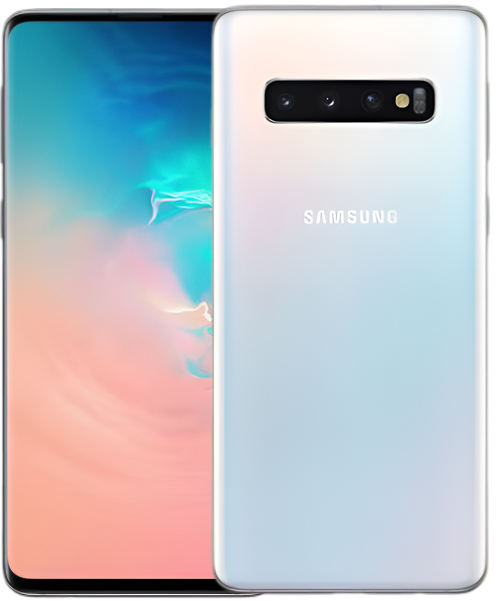
Samsung released the Galaxy S10 in March 2019 as their tenth-anniversary flagship celebration. That 6.1-inch Dynamic AMOLED display with the hole-punch camera was cutting-edge. Triple rear cameras produced great photos. The in-display ultrasonic fingerprint sensor was new technology. Wireless PowerShare was innovative. The Snapdragon 855 or Exynos 9820 delivered flagship performance for 2019.
The S10 represented peak traditional Samsung flagship design before they simplified the lineup. It had a headphone jack, microSD card slot, and premium features throughout. Many people loved their S10 and used it heavily for years.
At nearly six years old, S10 devices are firmly in legacy territory. Components have experienced extensive wear. Technology is genuinely old compared to modern standards. When S10 owners come to The Fix, they're usually dealing with multiple age-related failures simultaneously.
What Causes Tech to Break Down
Your S10 is like a laptop that's been used daily for six years—everything's worn out. The keyboard's faded, trackpad is less responsive, battery barely holds charge, fans are loud, performance is slow. Except your S10 has endured far more stress than any laptop.
Your battery has been through roughly 2,200 charge cycles if you've charged daily for nearly six years. That's 2,200 times the chemical reactions inside those cells have occurred. At this point, you're looking at 50-60% of starting capacity if you're lucky—many S10 batteries perform much worse or have completely failed. The electrodes have developed massive structural changes. The electrolyte has decomposed substantially.
The charging port has experienced 2,200+ cable insertions. There's nearly six years of compressed lint creating serious insulation between contacts. Retention clips are worn down significantly. Internal pins show corrosion and mechanical wear from thousands of connection cycles. At six years, charging port issues aren't a question of if, but when and how severe.
Your display's OLED pixels have been illuminated for thousands upon thousands of hours over six years. Blue subpixels have degraded significantly. Maximum brightness is probably 20-25% lower than when new. If you've used navigation buttons or kept the same apps on screen constantly, you likely have noticeable burn-in. The in-display fingerprint sensor area might show degradation from constant use.
The Snapdragon 855 or Exynos 9820 is ancient by modern standards—five generations behind current flagship processors. After six years of thermal cycling and constant use, thermal paste inside is severely degraded. Heat management isn't effective anymore, leading to throttling and the sluggish performance you're experiencing.
Software is catastrophically bloated after six years. Your S10 launched with Android 9 Pie. It received updates to Android 12, but Samsung stopped major updates after three years. You're running old software on old hardware, and the combination creates terrible performance. System files consume enormous storage. App compatibility is poor. Security updates ended.
At six years old, essentially everything has failed or is failing. Understanding this massive accumulated wear helps set realistic expectations.
Battery Failure: The Most Common Complaint
What you're experiencing: Your S10 barely lasts a few hours on a full charge. You're charging 4-5 times daily just to keep it alive. Battery percentage jumps wildly—you'll check and it's at 50%, minutes later it's at 18%. The phone shuts down unexpectedly at 30-40% remaining. It gets very warm during any use or charging.
Root cause analysis: 2,200 charge cycles over nearly six years means catastrophic battery degradation. That 3,400mAh capacity from new is realistically half that or less now. The battery management system was calibrated for a 2019 battery and has no idea how to read a battery this degraded. That's why you get massive percentage jumps and unexpected shutdowns.
At six years, battery chemistry has fundamentally changed. The lithium ions barely move between electrodes anymore. Internal resistance has increased dramatically. The battery can't deliver current effectively, which is why the phone feels sluggish even at moderate charge levels. It's not just capacity—the battery's ability to deliver power has degraded severely.
Solution path: Battery replacement is the only solution, but at six years old with this level of degradation, you're investing significant money in a device that's failing in multiple other ways. Check battery health in Settings if you want, but honestly, at six years, the numbers don't matter—if you're experiencing these symptoms, the battery needs replacement.
The question isn't whether to replace the battery. It's whether replacing the battery on a six-year-old device makes economic sense versus putting that money toward something newer. At The Fix, we help you evaluate whether battery replacement makes sense given the device's overall condition and limited remaining life.
Charging Port Destroyed
What's happening: Cables barely stay in or fall out constantly. Charging only works at very specific angles you have to hold. The phone often doesn't detect charging at all. "Moisture detected" warnings appear constantly despite the phone being dry for weeks. Fast charging stopped working long ago. You rely almost entirely on wireless charging.
Root cause analysis: 2,200+ insertions plus nearly six years of wear means total port failure. There's six years' worth of compressed debris creating massive insulation. Retention clips are worn down to barely functional. Internal pins show significant corrosion from years of moisture exposure and mechanical wear.
Six years of use means extreme wear patterns. If you've charged while using the phone, used cheap cables, or yanked cables out roughly, you've accelerated wear dramatically. Even with perfect care, 2,200+ insertions over six years creates massive mechanical wear.
Moisture detection sensors become hypersensitive or malfunction entirely after this long. They might trigger from humidity alone, or they might be completely broken but stuck in triggered state, preventing charging to protect components from water damage that isn't actually occurring.
Solution path: Thorough cleaning is worth trying but won't fully resolve issues on a six-year-old port. Inspect with a flashlight—you'll see substantial debris buildup. Clean carefully with a wooden toothpick. Use compressed air from a distance.
Realistically, at six years with severe symptoms, port replacement is inevitable. At The Fix, we replace the entire USB-C flex cable assembly. Your S10 charges normally again—cables stay put, no angle adjustments needed. But this is significant investment in a six-year-old device with multiple other failures, so we discuss whether it makes sense.
Display Problems
What you're seeing: Your screen probably has at least some burn-in if you look carefully—ghost images from keyboards, navigation buttons, or frequently-used apps. There's likely noticeable color shift—maybe green or pink tint. Colors look washed out compared to when the phone was new. Maximum brightness isn't as bright as you remember. The in-display fingerprint sensor might work inconsistently or slowly.
Root cause analysis: Six years of OLED use means substantial pixel degradation. Blue subpixels work hardest and have degraded the most, causing color shifts and reduced brightness. Burn-in develops from static elements displayed for thousands of hours over six years—if you've used the same keyboard app, navigation style, or apps heavily, those patterns have burned into the display permanently.
The in-display fingerprint sensor area shows additional wear from thousands of unlocks. This area might have slight discoloration or reduced brightness. The ultrasonic sensor itself might have degraded, causing slower or less reliable fingerprint recognition.
At six years old, these display issues are expected, not defective. Every OLED display ages this way. The S10's display from 2019 is significantly aged compared to modern OLED technology.
Solution path: Adjust color manually in Settings > Display to compensate for tints. Toggle between Vivid and Natural modes. Burn-in is permanent—there's no fix except display replacement. At six years old, display replacement on an S10 is extremely expensive relative to device value. We're honest at The Fix—display replacement almost never makes economic sense on six-year-old devices unless you're extremely attached to this specific phone.
Performance Is Terrible
What's going on: Everything feels slow. Apps take 20-30 seconds to open. Switching between apps lags noticeably. Typing has significant delay. Constant freezing, crashing, stuttering. Your former flagship feels ancient.
Root cause analysis: Six years of system updates, app installations, and accumulated digital clutter create massive performance degradation. System files have bloated enormously. App caches consume huge amounts of storage. Background processes number in the hundreds.
The Snapdragon 855 or Exynos 9820 is genuinely old now—five generations behind current flagships. Modern apps aren't optimized for 2019 processors. Storage is probably 90%+ full after six years. The aging battery can't deliver the current the processor needs for peak performance. Everything compounds to create the sluggish experience you're suffering through.
Solution path: Clear system cache from recovery mode. Aggressively uninstall unused apps—be ruthless. Clear cache for all apps. Delete old files, photos, videos. Free up storage to at least 25% available. Disable all bloatware. Factory reset as last resort—backup everything first.
Honestly, even aggressive optimization only helps so much on six-year-old hardware. The device is genuinely obsolete. At The Fix, we can optimize software, but we're realistic about the severe limitations of six-year-old hardware running modern software it was never designed to handle.
Camera Degradation
What you're noticing: Your S10's cameras are much slower than they used to be. The app takes several seconds to open. Focus is sluggish. You're missing shots waiting for the camera to respond. Photos sometimes come out blurry. In low light, performance is terrible. Processing after taking photos takes forever.
Root cause analysis: Six years of camera app cache accumulation means massive bloat. The processor throttling due to thermal issues dramatically slows image processing. Camera autofocus motors have experienced six years of constant use. Physical components show wear.
Software updates over six years sometimes introduce camera bugs or prioritize optimization for newer devices. The camera system relies on calibration that drifts over time. Physical alignment can shift from drops and impacts over six years.
Solution path: Clean all camera lenses thoroughly—six years of fingerprints and oils affect quality. Clear Camera app cache and data completely. Update system software if updates are still available. Check storage—full storage dramatically slows camera processing.
If optimization doesn't help, hardware issues exist. Camera problems on six-year-old devices often require component-level repair that's expensive relative to device value.
Overheating Issues
What's happening: Your S10 gets noticeably hot during any sustained use. Even basic tasks make it warm. Camera, gaming, or navigation makes it very hot. Performance drops dramatically when hot. Apps might close with thermal warnings.
Why this happens: The Snapdragon 855 or Exynos 9820 generates significant heat under load. After six years, thermal paste inside is severely degraded, barely functioning as thermal interface material. Heat that used to dissipate efficiently now builds up.
The degraded battery generates excess heat during charging and discharging. Six years of accumulated background processes keep the processor working constantly. Internal dust accumulation blocks airflow. Everything combines to create chronic overheating.
Solution path: Update to the latest available software. Close all apps and restart. Remove your case during intensive use. Avoid using while charging. Check which apps run constantly and force stop them.
Realistically, software optimization helps minimally on six-year-old hardware with degraded thermal management. At The Fix, we can address thermal paste and internal cleaning, but we're honest about whether that investment makes sense on a device this old.
The Economics Discussion
Device Value at Six Years
An S10 in good working condition has minimal resale value after nearly six years. With problems, value drops even lower. Technology from 2019 is genuinely outdated.
Repair Investment Reality
Any significant repair represents substantial investment relative to device value. Multiple repairs quickly exceed what the device is worth. At The Fix, we're honest about this calculation.
When Repair Might Make Sense
If your S10 has one isolated problem—just battery or just charging port—and everything else works acceptably, targeted repair might give you another 6-12 months affordably. We discuss this option honestly.
When Repair Doesn't Make Sense
If your S10 needs multiple repairs—battery plus charging port plus display issues—total costs exceed device value significantly. We tell you honestly when repair doesn't make economic sense. Your money is better spent on something newer, even a used device from more recent years.
Our Honest Approach to Samsung Galaxy S10 Repair
Frank Six-Year Assessment
Your S10 is nearly six years old—that's extremely elderly in smartphone terms. We evaluate honestly: battery (catastrophically degraded), charging port (worn out), display (showing significant age), performance (terrible), camera (degraded). We're looking at a device at end-of-economic-life in most cases.
The Economics Conversation
We're brutally honest about repair economics. If your S10 needs substantial work and has multiple issues, repair doesn't make sense. We discuss better alternatives—used phones from recent years that cost less than repairing your six-year-old device.
Sometimes minimal repair makes sense—just battery replacement if everything else miraculously works. Multiple expensive repairs? We guide you toward better options.
Quality Work When Justified
If repair is economically sensible for your situation, we do quality work. Battery replacement, port replacement—we treat your S10 professionally despite its age.
Realistic Expectations
We're clear about what repair accomplishes. New battery improves usability, but your six-year-old S10 won't match modern phone performance. We make sure you understand what was fixed and what severe age-related limitations remain.
Your S10's Reality Check
Your Galaxy S10 is nearly six years old—battery failure, charging port failure, display aging, performance degradation, and obsolescence are all expected. At this age, professional Samsung Galaxy S10 repair addresses some issues, but economics matter critically.
Stop by and let's figure out what's going on with your six-year-old S10. We'll assess it honestly, explain what repairs would cost, and give you frank guidance on whether repair makes sense or if it's time to retire this device. We specialize in honest advice about aging devices—sometimes that means telling you repair isn't worthwhile and helping you find better alternatives that fit your needs and budget.


Trusted repair solution for mobile phones, tablets, gaming consoles, and computer systems. We provide fast, reliable, and affordable repair services to get your devices back in perfect working condition.
The Fix is an independent repair service provider and is not affiliated with, sponsored by, or endorsed by Apple Inc., Samsung Electronics, Google LLC, or any other device manufacturer. We use high-quality compatible replacement parts unless explicitly stated. All trademarks are property of their respective owners.


© Copyright The Fix Solutions All rights reserved 2026.
Design by Deepcoder