





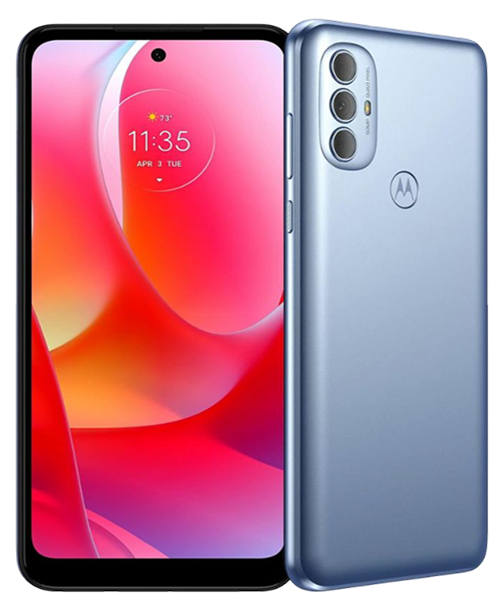
Motorola Moto G Power (2021) Repair Services
Get fast, reliable, and professional Motorola Moto G Power (2021) repair services at The Fix — your trusted destination for expert device care.
Common Repairs We Handle Daily


Practical Solutions: Moto G Power (2021) Repair
What's the point of buying a phone specifically for its legendary battery life if that battery dies in half a day three years later? You chose the Moto G Power (2021) precisely because that 5,000mAh cell promised three-day runtime without constant charging anxiety. Now you're plugging in twice daily like everyone else, and you're wondering if the phone that was supposed to last forever is done. Let's walk through practical solutions that actually fix these problems.
Understanding Your Battery-Focused Device
Motorola designed the 2021 G Power around one core selling point: exceptional battery life at a budget price. That 5,000mAh cell wasn't just marketing—it genuinely delivered two to three days of moderate use when new. The Snapdragon 662 processor prioritized efficiency. The 6.6-inch LCD display balanced size with reasonable power consumption. Every component choice supported that battery life mission.
Three years later, you've got a device that's served you well but now shows predictable wear. That defining feature—the battery that made you choose this phone over others—isn't delivering anymore. The display might've developed cracks or responsiveness issues. The charging port's being difficult. Performance feels sluggish. These aren't random failures—they're the natural consequences of daily use over years.
If the G Power (2021) still handles your needs—calls, messages, web browsing, basic apps—targeted repairs can restore functionality at costs well below replacement. But if you're constantly frustrated by slow performance or need features the hardware can't support, repairs might just postpone inevitable replacement.
Troubleshooting Common Problems
From our experience fixing thousands of these: G Power (2021) repairs cluster around specific issues we see consistently. Let's identify what you're dealing with and what actually fixes it.
Battery Life Has Tanked
Your three-day phone now barely makes it through one day. Battery percentage drops in huge chunks—you'll see it go from 60% to 25% in what feels like minutes. Sometimes it shuts down completely even when the indicator showed remaining charge. You're constantly hunting for outlets.
After three years and roughly 1,100 charge cycles, even that massive 5,000mAh battery shows significant capacity loss. Think of a cordless drill battery—new, it powers through tough jobs. After years of use, it doesn't hold charge as long. Your phone's battery faces the same chemical degradation through repeated charging.
What to try first: Download a battery health app showing actual capacity versus design specs. If you're below 75% of original capacity, that's your problem. No settings changes will restore capacity—the cells physically can't store as much energy anymore.
Optimize what you can while deciding about replacement. Enable Battery Saver mode, reduce screen brightness to 50-60%, close background apps you're not using. These won't fix a dying battery, but they help manage it temporarily.
Check for physical swelling. Lay the phone flat—if it rocks, the battery's swelling. Look for gaps between the screen and frame. Any visible separation means stop using the device immediately and get professional replacement.
What actually fixes it: Battery replacement. A fresh 5,000mAh cell brings back that legendary three-day runtime. The procedure involves removing the back cover, disconnecting the depleted battery, and installing a quality replacement. For a device where battery life was the entire point, this repair makes excellent sense if everything else works adequately.
Display Cracks or Touch Issues
Maybe you've got cracks spreading across the screen. Or dead zones where taps don't register. The display might flicker or show dark spots from backlight failure. Touch responsiveness feels off even without visible damage.
What to try first: For touch issues without cracks, restart your phone. Simple reboots clear temporary glitches. If problems persist, boot into safe mode by pressing and holding "Power off" until safe mode appears. If touch works in safe mode, a third-party app's causing problems. Uninstall recent apps systematically.
Test systematically with a drawing app. Drag your finger slowly across the entire screen. Dead zones show up as areas where your line breaks. This documents exact problems before seeking repair.
What actually fixes it: Cracked screens need full display assembly replacement—the LCD panel, digitizer, and glass come as one unit. Replacement restores clear display and reliable touch response. Quality replacement displays maintain adequate brightness and color for daily use.
Display repair costs represent significant percentages of the device's current value. Weigh repair costs against how well the phone otherwise meets your needs and how much longer you plan to use it.
Charging Port Acting Up
Your cable only works at specific angles. Charging stops randomly requiring constant repositioning. Maybe it charges super slowly even with the fast charger. The port feels loose when cables plug in.
What to try first: Inspect the USB-C port with good lighting. You'll probably see compressed lint and debris. Gently remove it with a wooden toothpick—never use metal tools that could damage contacts or cause shorts.
After thorough cleaning, test multiple cables and chargers. Try cables that work perfectly with other devices. If your G Power charges normally with some cables but not others, cable quality's part of the issue. If all cables require specific positioning, the port hardware's worn out.
Restart after cleaning. The charging system sometimes needs a reboot to recognize clean contacts properly.
What actually fixes it: If cleaning provides zero improvement, the USB-C port contacts have worn out from thousands of cable insertions. Port replacement involves installing a new daughterboard with fresh port hardware. New contacts immediately eliminate cable positioning gymnastics. This repair costs relatively little and extends device life significantly.
Performance Feeling Sluggish
Apps crash constantly. The interface lags during basic tasks. Everything feels slow. After three years, you're seeing both software bloat and hardware limitations.
What to try first: Check storage through Settings > Storage. If you're above 85% full, that's causing significant slowdowns. Delete unnecessary photos and videos, uninstall unused apps, clear app caches. Android needs free space for temporary files—when storage fills up, performance tanks.
Review battery usage statistics to identify problem apps. Settings > Battery shows which apps consume excessive resources. If specific apps show unusually high usage, clear their cache or uninstall them.
Factory reset serves as the ultimate software fix. Back up important data first, then navigate to Settings > System > Reset > Erase All Data. If performance improves dramatically with fresh software, you had software problems. If slowdowns persist, you're hitting the Snapdragon 662's limitations.
What actually fixes it: Software optimization through cleanup and reset often helps significantly. But the Snapdragon 662 wasn't powerful when new and really struggles with current apps designed for newer processors. Optimization helps but won't make a budget processor from 2021 feel like current hardware. If you need faster performance, repairs won't deliver that—you need newer devices.
Preventive Maintenance
These habits reduce how quickly problems develop after repairs or extend time before repairs become necessary.
Keep that charging port clean through monthly inspection. Gentle debris removal with wooden toothpicks or compressed air prevents most charging problems. This takes 30 seconds but avoids frustrating connection issues.
Use quality cables that fit securely. Loose cables accelerate port wear through imprecise contact. Cables that plug in smoothly and stay connected protect port hardware.
Protect the large display with a case providing raised edges. The 6.6-inch screen's vulnerable to crack damage. Even minimal cases significantly reduce crack risk.
Monitor battery health proactively. Apps reporting capacity decline let you plan replacement before constant charging becomes unbearable. Early detection means replacing on your schedule.
Manage storage actively. Monthly cleanup keeps the system running smoothly. Delete unnecessary files, clear caches, uninstall unused apps. Keep at least 15-20% free space.
Making Repair Decisions
The G Power (2021)'s age and budget positioning create specific considerations.
Battery replacement typically makes excellent sense. It restores the device's defining feature—that marathon runtime that made you choose this phone. If the G Power otherwise works for your needs, battery replacement provides great value. You'll immediately notice the return of multi-day battery life.
Display repairs require careful consideration. Repair costs can approach the device's current market value. Minor cracks not affecting function might not warrant immediate repair. Extensive damage preventing normal use clearly does.
Charging port replacement provides good value. It's straightforward and relatively inexpensive, immediately restoring reliable power delivery. Even for budget devices, this repair makes sense.
Software optimization costs nothing but time. Always exhaust software solutions before assuming hardware replacement's necessary. But if optimization doesn't help and you need faster performance, the processor limitations won't change through repairs.
Understanding Repair Limitations
Let's be realistic about what repairs accomplish. Battery replacement restores runtime but doesn't make the processor faster. Display replacement fixes cracks but doesn't upgrade screen quality. Charging port repair ensures reliable charging but doesn't improve charging speed.
The Snapdragon 662 and 4GB RAM were entry-level in 2021. They struggle with current apps designed for newer, more powerful hardware. Repairs restore original capabilities—which were intentionally basic to hit accessible price points.
If you need fundamental smartphone functions plus great battery life—calls, messages, web browsing, basic apps—repairs can restore reliable performance. But if you need capabilities the hardware doesn't provide, repairs won't deliver them.
Conclusion: Battery-Focused Practical Solutions
Your Moto G Power (2021)'s defining feature was that 5,000mAh battery delivering exceptional runtime. When that fails, you lose what made this phone special. Battery replacement brings back the multi-day battery life you remember. Display repairs address cracks and touch problems. Charging port service ensures reliable connectivity.
Having issues with your Moto G Power (2021)? The Fix specializes in Motorola repairs. Stop by our shop—we'll diagnose the problem for free, explain what's happening in plain English, and get your device working right again.
We've repaired hundreds of G Power devices and understand their specific issues. Professional diagnosis identifies exactly what's wrong so repairs address real problems. Whether you need battery replacement to restore legendary runtime, display service, or charging port repair, we'll restore the functionality that made you choose this device. Contact The Fix—let's get your battery champion working properly again.


Trusted repair solution for mobile phones, tablets, gaming consoles, and computer systems. We provide fast, reliable, and affordable repair services to get your devices back in perfect working condition.
The Fix is an independent repair service provider and is not affiliated with, sponsored by, or endorsed by Apple Inc., Samsung Electronics, Google LLC, or any other device manufacturer. We use high-quality compatible replacement parts unless explicitly stated. All trademarks are property of their respective owners.


© Copyright The Fix Solutions All rights reserved 2026.
Design by Deepcoder