




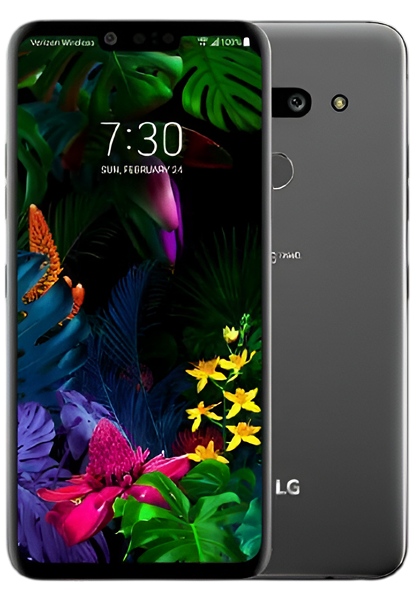
LG G8 ThinQ Repair Services
Get fast, reliable, and professional LG G8 ThinQ repair services at The Fix — your trusted destination for expert device care.
Common Repairs We Handle Daily


LG G8 ThinQ Technical Guide: Repair Insights
Remember when LG was pushing smartphone innovation with features like Hand ID palm vein recognition and displays that doubled as speakers? The G8 ThinQ represented that ambitious era in 2019—packed with cutting-edge tech that competitors wouldn't adopt for years. Now it's 2025, LG's exited the smartphone market entirely, and you're left with a device that's become increasingly difficult to maintain. Let's talk about what keeping this innovative phone running actually involves.
The G8 ThinQ's Innovative Legacy
LG engineered the G8 ThinQ around features that seemed futuristic at launch. Hand ID used a Time-of-Flight sensor and infrared camera to map palm vein patterns for biometric security—technology that never caught on widely but worked impressively when it did. Crystal Sound OLED turned the display itself into a speaker through vibration, eliminating the traditional earpiece. The Snapdragon 855 processor delivered flagship performance. The 6.1-inch OLED display produced vibrant colors and deep blacks.
Five years later, these innovations create unique repair considerations. The ToF sensor and infrared camera integrated into the display assembly complicate screen replacements. The Crystal Sound OLED system means display issues can affect audio output. Hand ID failure leaves you without that unique authentication method. Each innovative feature introduces potential failure points that standard smartphones don't face.
LG's exit from smartphones in 2021 affects long-term repairability. Official parts became scarce. Software updates stopped. The devices that were supposed to represent LG's mobile future became orphaned technology. For G8 ThinQ owners, this creates challenges but doesn't make repair impossible—it just requires understanding what's actually available and realistic.
Component-Specific Failure Patterns
A pattern we've noticed over the years: the G8 ThinQ's innovative features develop specific problems as devices age.
OLED Display and Crystal Sound System
The OLED panel itself can develop burn-in where static interface elements ghost permanently onto the screen. Navigation buttons, keyboards, and status bars show ghosting after thousands of hours displaying the same content. This affects all OLED displays but becomes more noticeable on the G8's relatively small 6.1-inch screen.
The Crystal Sound OLED system vibrates the display to produce audio. When this system fails, you lose earpiece functionality entirely—calls become difficult without speakerphone or headphones. The vibration mechanism can develop problems independently from the visual display, creating situations where the screen looks fine but audio doesn't work.
Impact damage affects the G8 ThinQ display assembly differently than standard phones. The ToF sensor and infrared camera modules integrate into the display housing. Screen damage can affect these sensors, breaking Hand ID functionality even when the visible display still works. Glass replacement alone won't restore sensor operation if internal components sustained damage.
Hand ID System Failures
The Hand ID system uses infrared to illuminate your palm and a ToF sensor to map vein patterns. This sophisticated biometric system can fail through various mechanisms. The infrared emitter can weaken, reducing recognition accuracy. The ToF sensor can develop calibration drift or complete failure. The algorithms processing sensor data can glitch.
Software updates that never arrived for the G8 mean Hand ID bugs never got fixed. Users report recognition becoming less reliable over time. Some of this stems from hardware degradation, but software limitations contribute. Without manufacturer support, these issues persist.
Battery and Power Management
The 3,500mAh battery was adequate in 2019 but modest by current standards. After five years and roughly 1,800 charge cycles, capacity has dropped significantly. Think of a garden hose that's been left outside for years—the material degrades, leaks develop, and performance suffers. Your battery can't store energy like it used to.
The power management system in the G8 ThinQ optimized for the Snapdragon 855's efficiency. As the battery ages, the system's assumptions about available capacity become increasingly inaccurate. This causes unexpected shutdowns when the processor demands power the battery can't deliver despite the charge indicator showing remaining capacity.
Charging Port Wear
The USB-C port experiences standard mechanical wear from cable insertions. After thousands of cycles, spring contacts lose tension and don't grip cables firmly. Debris accumulation compounds this—pocket lint gets compressed into the port, preventing full connection. The combination creates intermittent charging requiring cable repositioning.
The G8 ThinQ's port also handles audio output for USB-C headphones and data transfer. Port degradation affects all these functions, not just charging. Complete port failure eliminates multiple connection options simultaneously.
Understanding Discontinued Device Repair
LG's market exit creates specific challenges for G8 ThinQ repair. Let's be honest about what this means practically.
Parts Availability Reality
Replacement displays come from aftermarket suppliers rather than LG. Quality varies significantly. Some replacement screens match original specifications reasonably well. Others show inferior color accuracy, reduced brightness, or touch sensitivity problems. The ToF sensor and infrared camera modules often don't come with replacement displays, requiring transfer from damaged originals—which fails if those sensors sustained damage.
Batteries from third-party manufacturers vary in actual capacity despite claiming to match specifications. Quality control isn't consistent. Some replacement batteries deliver advertised capacity and last years. Others fail quickly or never deliver rated performance.
Finding parts specifically designed for the G8 ThinQ becomes harder over time as suppliers shift to newer devices. This doesn't make repair impossible currently, but availability will continue declining. Planning repairs proactively rather than waiting for complete failure increases likelihood of securing quality components.
Software Support Limitations
The G8 ThinQ received its final software update years ago. Security vulnerabilities discovered since then remain unpatched. This matters more for users handling sensitive data than those using devices for basic communication and entertainment.
Some apps no longer support the Android version the G8 runs. Banking apps, authentication apps, and security-focused software increasingly require newer OS versions. This limits the device's utility even when hardware functions properly.
Hand ID and other proprietary LG features won't receive improvements or bug fixes. Known issues persist indefinitely. For features that worked well, this isn't problematic. For features that developed problems, no solutions are coming.
Repair Options and Realities
Understanding what repairs accomplish and their limitations helps make informed decisions.
Battery Replacement
Battery replacement for the G8 ThinQ involves removing the back glass, disconnecting the old cell, and installing a replacement. Quality matters significantly—reliable batteries restore adequate runtime while inferior alternatives disappoint quickly.
Post-replacement testing verifies proper charging behavior and reasonable runtime. The 3,500mAh capacity won't match current flagships' 5,000mAh cells, but it should provide full-day use for moderate activity. For a five-year-old device where battery life has become problematic, replacement provides noticeable improvement.
Display Assembly Service
Display replacement represents the most complex G8 ThinQ repair due to integrated sensors and Crystal Sound components. The entire assembly replaces as one unit, but Hand ID sensors might need transfer if the replacement doesn't include them. This requires careful handling to avoid damaging delicate sensor components.
Quality replacement displays restore visual clarity and touch responsiveness but might not perfectly match original color accuracy or Crystal Sound audio quality. Setting realistic expectations prevents disappointment with results that restore function but don't match factory specifications exactly.
Charging Port Replacement
USB-C port replacement follows standard procedures—removing the worn assembly and installing fresh hardware. This restores reliable charging, data transfer, and audio output through USB-C connections. The repair costs relatively little and immediately eliminates connection frustrations.
Hand ID System Repair
Hand ID problems sometimes resolve through sensor cleaning or software recalibration. However, actual sensor hardware failures require display assembly replacement since sensors integrate into that assembly. Given parts availability challenges and costs, many users simply switch to fingerprint or PIN authentication when Hand ID fails.
Making Practical Decisions
The G8 ThinQ's discontinued status affects repair economics and decisions.
Battery replacement makes sense when the device otherwise functions well and meets your needs. It provides noticeable daily usability improvement for reasonable cost. If you've grown attached to the G8's unique features and accept its limitations, battery replacement extends useful life.
Display repairs require careful cost-benefit analysis. Replacement displays for discontinued devices can be expensive relative to current device value. If you depend on Hand ID and Crystal Sound features unavailable in current phones, expensive display repair might justify costs. For users who stopped using those features, repair economics shift.
Charging port replacement provides good value regardless of other considerations. It's straightforward, relatively inexpensive, and immediately restores multiple functions. Even for older discontinued devices, port replacement makes sense.
Consider your realistic alternatives. The innovative features that made the G8 ThinQ special—Hand ID, Crystal Sound OLED—don't exist in current mainstream phones. If you value those capabilities, maintaining the G8 makes sense despite challenges. If you've moved past those features, current devices offer better overall value.
Conclusion: Maintaining Discontinued Innovation
Your LG G8 ThinQ represented ambitious smartphone innovation that the market didn't fully embrace. Five years later, with LG gone from smartphones entirely, you're maintaining technology that won't see future support or improvements. Battery replacement restores runtime. Display repairs address damage. Charging port service ensures connectivity. Each repair extends this unique device's life despite parts challenges.
Ready to fix your LG G8 ThinQ? The Fix makes it easy. Walk in anytime for a free assessment—most repairs are same-day, and we'll keep you updated throughout the process. Your device deserves expert care, and that's exactly what we deliver.
We've worked on numerous G8 ThinQ devices and understand their unique architecture and repair challenges. Professional diagnosis identifies specific problems and parts availability. Whether you need battery replacement, display service considering integrated sensors, or charging port repair, we'll provide honest assessment of what's realistic. Contact The Fix—we'll help you make informed decisions about maintaining your innovative legacy device.


Trusted repair solution for mobile phones, tablets, gaming consoles, and computer systems. We provide fast, reliable, and affordable repair services to get your devices back in perfect working condition.
The Fix is an independent repair service provider and is not affiliated with, sponsored by, or endorsed by Apple Inc., Samsung Electronics, Google LLC, or any other device manufacturer. We use high-quality compatible replacement parts unless explicitly stated. All trademarks are property of their respective owners.


© Copyright The Fix Solutions All rights reserved 2026.
Design by Deepcoder