





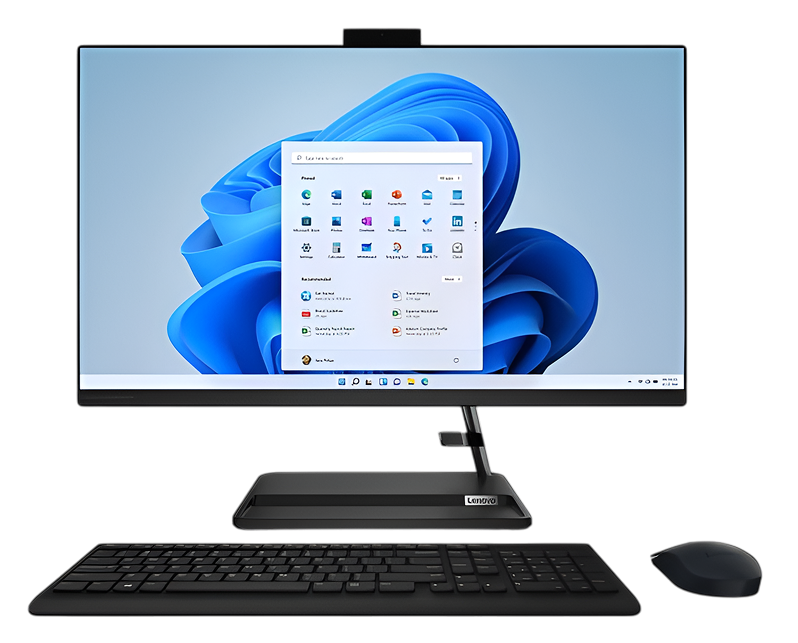
Lenovo Computer Repair Services
Get fast, reliable, and professional Lenovo Computer repair services at The Fix — your trusted destination for expert device care.
Common Repairs We Handle Daily


Is Your Lenovo Computer Driving You Crazy? Here's Your Lenovo Computer Repair Guide
You're in the middle of an important video call when your Lenovo ThinkPad's fan suddenly sounds like a helicopter taking off. Or you're working on a deadline and your IdeaPad's battery dies after 45 minutes despite showing 80% charge just moments ago. Maybe your Yoga's touchscreen stopped responding, or that famous ThinkPad keyboard—the one everyone raves about—suddenly has three keys that don't register. You've restarted multiple times, tried basic troubleshooting, and you're still stuck wondering why your reliable Lenovo's acting up.
Here's the scenario: Lenovo's one of the world's largest laptop manufacturers, shipping everything from business-focused ThinkPads to versatile Yogas to budget-friendly IdeaPads. They're known for reliability, but even the best-built laptops develop issues over time. Professional Lenovo Computer repair addresses these problems at the root cause and restores reliable operation. Whether you're using a ThinkPad, IdeaPad, Yoga, Legion gaming laptop, or ThinkBook, most issues are completely fixable. Let's figure out what's driving you crazy about your Lenovo and how to fix it properly.
Lenovo Owners Know This Device For
Lenovo's laptop lineup is massive and diverse. ThinkPads carry a reputation for durability and that iconic keyboard—business users and IT professionals swear by them. IdeaPads offer good specs at reasonable prices for students and home users. Yoga 2-in-1s combine laptop and tablet functionality. Legion gaming laptops pack serious gaming power. ThinkBooks target small businesses. What's consistent across Lenovo's range is their focus on practical features over flashy design.
ThinkPads especially have a loyal following. That keyboard with its slight concave keycaps and satisfying tactile feedback. The TrackPoint nub in the middle of the keyboard that some people love and others never touch. The rugged build quality that makes them popular in corporate environments. ThinkPads are workhorses designed to be repaired and upgraded rather than replaced.
Here's what matters for repairs: Lenovo laptops, especially ThinkPads, are generally very serviceable. Hardware Maintenance Manuals are publicly available. Components like batteries, RAM, and storage are often user-accessible. This repairability philosophy means that when something breaks, fixing it is usually straightforward with proper expertise. Lenovo designed these machines to last and be maintained, not to become e-waste when one component fails.
Keep Your Lenovo Running Great: Essential Maintenance
Prevention beats repair every time. Here's how to maintain your Lenovo properly:
Battery longevity strategies. Lenovo Vantage software (pre-installed on most Lenovos) includes battery conservation mode—enable it if you use your laptop plugged in frequently. It limits charge to 55-60%, dramatically extending battery lifespan. For mobile users, charge to 80-90% rather than always maxing at 100%. Avoid leaving it at 100% charge constantly in hot environments.
Thermal management essentials. Use your Lenovo on hard, flat surfaces—beds and couches block ventilation. Clean vents monthly with compressed air (short bursts, can upright). For ThinkPads with removable bottom panels, consider opening it every 6-12 months to clean internal fans and heatsinks (or have it professionally cleaned). Update BIOS and drivers—Lenovo sometimes releases thermal management improvements.
Keep that legendary keyboard working. Don't eat over the keyboard—crumbs are the enemy, especially for ThinkPad keyboards with their precise mechanisms. Close the lid carefully, ensuring nothing's on the keys. Clean regularly with slightly damp microfiber cloth. For spills, shut down immediately, flip upside down to drain, and get professional cleaning within 24 hours.
Storage health monitoring. Keep your drive under 75% full for optimal performance. Back up regularly—use OneDrive, external drives, or Lenovo's included backup software. Check drive health monthly using CrystalDiskInfo or Lenovo Diagnostics. Watch for SMART warnings indicating impending failure.
Software hygiene. Keep Windows updated. Lenovo Vantage provides system updates, BIOS updates, and driver updates—let it do its job. Uninstall bloatware you don't use. Manage startup programs through Task Manager. Restart weekly—many issues stem from never restarting.
Physical care. ThinkPads are durable, but don't test that unnecessarily. Use a proper laptop bag or sleeve for transport. Don't stack heavy items on your closed laptop. Pick it up by the base, not the screen. For 2-in-1 Yogas, don't force the hinge past its limits.
How Time Affects Your Tech
Every Lenovo laptop ages, regardless of build quality or maintenance. Understanding the underlying processes helps you recognize when professional service is needed.
Consider a city's traffic system that's grown organically over decades. When the city was small, streets were simple and traffic flowed easily. As the city grew, streets were added, intersections became more complex, traffic lights multiplied, and navigation became more complicated. Eventually, the system that worked fine for a small city struggles under the load of a large metropolis. Your Lenovo's operating system experiences similar complexity growth. Windows accumulates thousands of registry entries, hundreds of installed programs, gigabytes of cache files, update remnants, and system logs. The core OS hasn't fundamentally changed, but accumulated complexity slows everything down. This isn't hardware failure—it's software entropy requiring cleanup and optimization.
Think about picture frame glass. It's strong enough for normal use—hanging on a wall, occasional cleaning, standard handling. But it's vulnerable to specific stresses like impacts or torsion. The thin glass prioritizes clarity over maximum strength. Your Lenovo's screen, especially on thin IdeaPads and Yoga 2-in-1s, makes similar engineering compromises. The gorgeous, lightweight display is more vulnerable to pressure and flexing than a thick, heavy screen would be. This isn't poor quality—it's the inevitable tradeoff between portability, display quality, and maximum durability.
Inside your Lenovo, the processor generates heat with every operation. That heat causes microscopic expansion of circuits, solder joints, and thermal interface materials. When you shut down, everything cools and contracts. This thermal cycling happens thousands of times. Solder joints experience accumulated stress. Thermal paste hardens and loses effectiveness. Nothing fails catastrophically, but cumulative changes degrade thermal performance.
Battery cells undergo chemical changes with every charge cycle. Electrode materials develop internal resistance. Electrolyte degrades. After 300-500 cycles (1-2 years for daily users), capacity drops noticeably. Gaming Legion laptops stress batteries especially hard—high power draw generates heat that accelerates aging.
Storage drives face electrical stress. SSDs (standard in modern Lenovos) wear out as memory cells are written and erased. Each cell handles a finite number of write cycles. Controllers manage wear leveling, but eventually enough cells fail that performance degrades.
Cooling fans spin millions of revolutions. Bearings wear microscopically. Dust accumulates on blades and between cooling fins despite intake filters. Airflow efficiency drops 20-30% over several years without cleaning.
Keyboard switches compress hundreds of thousands of times. ThinkPad keyboards especially—they're used heavily because they're so satisfying to type on. Rubber domes lose elasticity. Metal contacts experience wear. The legendary tactile response gradually changes.
This isn't about Lenovo making poor products. ThinkPads especially are legendarily durable. But physics doesn't care about reputation—all materials age under use. Recognizing when aging requires professional attention keeps your Lenovo running great for years.
Battery Dies Before You Finish Anything
What you're experiencing: Your Lenovo used to run 6-8 hours easily. Now you're lucky to get through a 90-minute meeting. The battery percentage becomes unreliable—showing 50%, then suddenly dropping to 10% and shutting down. You're constantly tethered to the charger, essentially using it as an expensive desktop instead of a mobile laptop.
Why this happens: Lenovo laptop batteries are rated for 300-500 charge cycles before significant capacity loss. Daily charging means hitting that in 12-24 months. Each cycle causes microscopic chemical changes in the cells. Heat accelerates degradation—laptops used on soft surfaces that block cooling age batteries faster. Eventually cells can't store enough energy to be useful. Some batteries develop swelling from gas buildup—this is hazardous and requires immediate replacement.
What you can try:
- Check battery health using Lenovo Vantage or Windows battery report: Command Prompt (Admin) → powercfg /batteryreport.
- Enable Battery Conservation Mode in Lenovo Vantage if you use it plugged in frequently—limits charge to 60%, extending lifespan.
- Calibrate the battery: Charge to 100%, use until automatic shutdown, then charge uninterrupted to 100%.
- Check for swelling: If bottom case bulges or trackpad feels raised, stop using immediately—swollen batteries are dangerous.
- Update BIOS through Lenovo Vantage—sometimes battery management improvements come through updates.
What we've seen in our repair shop: Battery replacement is the most common Lenovo repair we perform. The transformation is immediate and people are consistently amazed. They've adapted gradually to dying batteries—staying near outlets, carrying chargers everywhere, planning activities around available power—and they forget what normal battery life feels like. After professional battery replacement with a tested component meeting Lenovo's specifications, they get genuine portability back. Full-day battery life returns. The laptop becomes truly mobile again. We see relief and satisfaction on customers' faces when they realize they can work wirelessly without anxiety about battery percentage. For ThinkPads especially, this repair brings back the all-day reliability they're known for.
That Famous Keyboard Isn't Working Right
What you're experiencing: Keys on your Lenovo keyboard don't register consistently. The spacebar or Enter key needs multiple presses. Other keys stick—you press once and get double letters. Maybe the TrackPoint on your ThinkPad stopped working. The keyboard backlight (if equipped) doesn't light up. You're using an external keyboard to get work done, which defeats the portability advantage.
Why this happens: Lenovo keyboards, especially ThinkPad keyboards, are generally excellent—but they're not immune to problems. Spills are devastating—liquid seeps under keys and corrodes connections rapidly. Dust and debris accumulation causes mechanical issues. The ribbon cable connecting keyboard to motherboard can get damaged or work loose. Key switches wear from heavy use, though ThinkPad keyboards handle this better than most. Sometimes it's a driver issue or BIOS setting rather than hardware failure.
What you can try:
- Test with external USB keyboard—if it works perfectly, you've confirmed it's the internal keyboard hardware.
- For single stuck keys, try removing the keycap carefully (ThinkPad keycaps usually pop off with gentle upward pressure) and cleaning underneath with compressed air or isopropyl alcohol on a swab.
- Update keyboard drivers through Device Manager or Lenovo Vantage.
- Check BIOS settings (F1 or F2 during startup)—sometimes keyboard settings get changed accidentally.
- For spill damage, shut down immediately, disconnect power, remove battery if accessible, and bring for professional cleaning ASAP—corrosion sets in quickly.
After repairing these daily: Lenovo keyboard replacements, especially on ThinkPads, are generally straightforward because of Lenovo's serviceable design philosophy. Many models have keyboards held by screws and a ribbon cable—removal follows documented procedures in service manuals. For recent spills caught within hours, professional cleaning often saves the keyboard. But chronic problems or heavy spill damage usually require replacement. The good news is that replacement keyboards give you back that legendary ThinkPad typing experience or the responsive IdeaPad keyboard you're used to. Every keystroke registers reliably. Typing becomes effortless again. For people who type extensively for work, this repair is transformative—you remember why you chose a Lenovo in the first place.
Overheating and Constant Fan Noise
What you're experiencing: Your Lenovo sounds like a jet engine warming up. The fan runs at maximum speed constantly, even during basic tasks like email or web browsing. The case gets uncomfortably hot—you literally can't use it on your lap. Performance tanks during anything intensive because the system throttles to prevent damage. Sometimes it shuts down completely to protect components from heat.
Why this happens: Lenovo laptops have cooling systems designed for specific thermal loads. Over time, several factors compromise them. Dust is the primary culprit—it accumulates in fans and clogs narrow cooling fins. Thermal paste between CPU/GPU and heatsink dries out and loses effectiveness. Fans wear—bearings degrade and blades accumulate gunk. Using the laptop on soft surfaces blocks vents. Modern software demands generate more heat than aging cooling systems can handle efficiently.
What you can try:
- Check Task Manager (Ctrl+Shift+Esc) for processes using high CPU constantly—sometimes runaway background tasks generate unnecessary heat.
- Use your Lenovo on hard, flat surfaces only. Beds and couches block ventilation holes on the bottom.
- Clean external vents with compressed air: Hold can upright, use short bursts, blow dust out from vents (don't spin fans backward).
- Update BIOS and drivers through Lenovo Vantage—thermal management improvements sometimes come through updates.
- For ThinkPads, check if Intelligent Cooling is enabled in Lenovo Vantage—it optimizes thermal performance.
A pattern we've noticed over the years: Lenovo laptops, especially models 2-3 years old without maintenance, predictably overheat when cooling systems haven't been serviced. When we open them, the cooling fins are typically packed solid with dust and lint forming a barrier. Airflow is maybe 20-30% of design specification. Thermal paste is dried, cracked, and failing to transfer heat effectively. We disassemble carefully following Lenovo's service procedures, clean fans and heatsinks thoroughly using compressed air and proper brushes, replace thermal paste with quality compound rated for laptop operating temperatures, verify fan bearing condition, and reassemble precisely. Temperature drops are significant—20-35°C reductions under load. Your Lenovo runs quietly, stays cool, and delivers full performance without aggressive throttling. The fan only spins up when genuinely needed for demanding tasks, not screaming constantly. For Legion gaming laptops especially, proper thermal maintenance transforms gaming performance.
Performance Degraded to Frustrating Levels
What you're experiencing: Your Lenovo has become painfully slow. Boot takes 5+ minutes when it used to be ready in under a minute. Apps hang when launching. Simple tasks like opening folders or switching windows lag visibly. You've tried cleaning up files and closing programs, but it's still crawling. You're spending more time waiting than working.
Why this happens: Performance degradation usually involves multiple compounding factors. Storage drives near capacity struggle—Windows needs at least 10-15% free space for temporary files and virtual memory. Hard drives (on older models) fragment badly. Drives approaching failure exhibit severe slowdowns before dying. Too many startup programs consume RAM and CPU. Malware or bloatware runs hidden in background. Overheating causes throttling. Insufficient RAM for modern Windows versions forces constant disk swapping that cripples performance.
What you can try:
- Open Task Manager and check what's using CPU, memory, and disk. Sort by usage to identify culprits.
- Disable unnecessary startup programs: Task Manager → Startup tab → disable what you don't need launching automatically.
- Free up disk space: You need at least 10-15% free. Delete large files, uninstall unused programs, run Disk Cleanup.
- Run Windows Defender or your preferred antivirus to check for malware consuming resources.
- Check temperatures using HWMonitor—high temps cause performance throttling.
- Use Lenovo Vantage's system optimization tools to clean up temporary files and optimize settings.
From our experience fixing thousands of these: Performance issues are rarely just one problem—they're usually several issues piling up over time. We'll typically find a nearly full hard drive, 30+ programs launching at startup, gigabytes of temporary files and cache, dust choking the cooling system causing thermal throttling, and maybe drive failure warnings in SMART data. Addressing everything comprehensively makes dramatic differences. Sometimes strategic hardware upgrades transform the experience—upgrading RAM from 4GB to 8GB or 16GB, or replacing a slow, failing hard drive with a fast SSD. We've seen Lenovo laptops that were frustratingly slow for months suddenly feel fast and responsive after comprehensive service. Boot times drop from minutes to seconds. Apps launch instantly. Multitasking becomes smooth. The transformation reminds people why they liked their Lenovo in the first place.
Screen Cracked or Display Not Working
What you're experiencing: Your Lenovo's screen has a crack spreading across it from what seemed like minimal pressure. Or the display flickers when you adjust the screen angle. Maybe it's completely black despite the laptop running—you hear fan noise and see keyboard backlight. The touchscreen on your Yoga doesn't respond in certain areas. An external monitor works fine, so you know the computer itself is functional.
Why this happens: Lenovo laptop screens vary by model. ThinkPads often have more robust displays, while thin IdeaPads and Yogas prioritize weight savings. Pressure on the lid when closed cracks displays. Objects left on the keyboard before closing cause damage. Drops or impacts break screens. The display cable running through the hinge can get damaged from repeated opening and closing—especially common on Yogas used frequently in tent or tablet mode. Backlight failures make screens dim or completely black.
What you can try:
- Connect to an external monitor. If that works perfectly, you've isolated the problem to the internal display system.
- Shine a flashlight at the screen when it appears black—if you see a faint image, it's backlight failure, not the LCD panel itself.
- Gently move the screen through its full range while watching for when issues occur. Angle-dependent problems usually indicate cable damage.
- For touchscreen issues on Yogas, try recalibrating the touchscreen through Windows settings.
What really happens in most cases: Lenovo screen replacements are among our most common laptop repairs. The work requires precision—we disassemble the display bezel carefully (methods vary by model), disconnect the damaged panel, install a new one with proper cable connections and adhesive where needed, and reassemble. For cracked screens, the entire panel needs replacement. For backlight failures, sometimes we can replace just backlight components on certain models. For flickering issues, often it's the display cable needing replacement rather than the screen itself. Properly done, your replacement screen looks and functions like the old times. We test thoroughly—no dead pixels, even brightness across the panel, correct colors, reliable operation at all viewing angles. For Yoga 2-in-1s, we verify touchscreen functionality across the entire surface. Customers are always relieved to have their display back without cracks, lines, flickering, or dead zones.
Worried About Data Loss? Here's How We Handle It
Data loss anxiety is real when bringing laptops for repair. Let's address that directly.
When you bring your Lenovo to The Fix for repair, we assess whether the repair affects your storage drive. Battery replacements, keyboard replacements, cooling system cleaning, and display repairs don't touch your drive or data—everything's completely safe. Your files remain untouched throughout these repairs.
For storage drive replacements when your drive is failing, we have professional cloning equipment that creates exact sector-by-sector copies of your dying drive to a new one. The process preserves everything—operating system, programs, files, settings, everything. We verify data integrity throughout the cloning process. Your Lenovo boots after repair exactly as it was before, just faster and more reliable with the new drive.
Concerned about privacy during repair? We don't browse your files (we don't need to for hardware repairs), don't connect to your accounts, and handle every device with confidentiality. Your Lenovo goes from intake to repair bench to quality testing to you—controlled access throughout. For ThinkPads with TPM security chips, we ensure security features remain properly configured after repair.
Not sure about turnaround time? Most Lenovo repairs are same-day or next-day depending on parts availability and repair complexity. Battery replacements typically take 1-2 hours. Keyboard replacements take 2-3 hours. Display repairs vary but usually complete within a day. Cooling system cleaning and thermal paste replacement takes 2-4 hours. Storage replacements with cloning take 3-6 hours depending on drive size and health.
What happens at pickup? We walk you through what we did, show you relevant improvements (battery health readings, temperature monitors, boot time comparisons, whatever applies to your repair), and answer questions about maintaining your Lenovo going forward. You should leave understanding what was wrong, what we fixed, and how to prevent similar issues. That's our goal—not just repairing your laptop, but ensuring you're confident in its condition.
Professional Repair Extends Your Lenovo's Life
Most Lenovo Computer repair needs are totally fixable with professional expertise and quality parts. That dying battery? Replacement restores full-day runtime for a fraction of a new laptop's cost. Performance issues? Cleaning, optimization, and strategic upgrades transform the experience completely. Overheating? Proper maintenance brings temperatures back to normal range. Broken screen? Replacement looks factory-fresh. Keyboard problems? New assembly restores that responsive typing experience. These repairs extend your Lenovo's useful life for years at reasonable cost.
Bring your Lenovo Computer to The Fix and let our experienced techs take a look. We've seen every problem these devices develop, we know exactly how to fix them, and we'll treat your laptop like it's our own. Free diagnostic, honest pricing, quality work.


Trusted repair solution for mobile phones, tablets, gaming consoles, and computer systems. We provide fast, reliable, and affordable repair services to get your devices back in perfect working condition.
The Fix is an independent repair service provider and is not affiliated with, sponsored by, or endorsed by Apple Inc., Samsung Electronics, Google LLC, or any other device manufacturer. We use high-quality compatible replacement parts unless explicitly stated. All trademarks are property of their respective owners.


© Copyright The Fix Solutions All rights reserved 2026.
Design by Deepcoder