






iPhone 17 Pro Max Repair Services
Get fast, reliable, and professional iPhone 17 Pro Max repair services at The Fix — your trusted destination for expert device care.
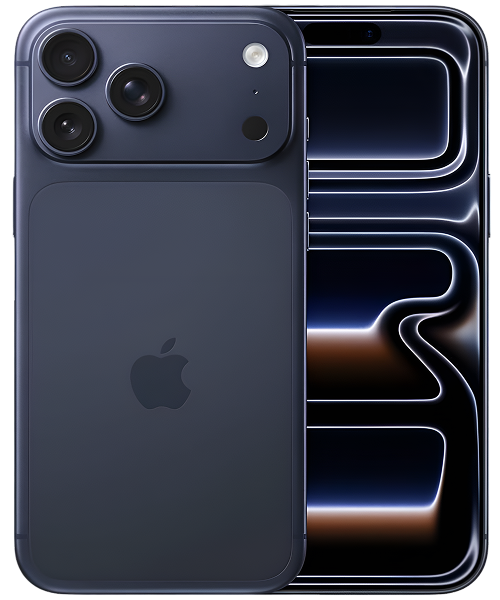
Common Repairs We Handle Daily


iPhone 17 Pro Max Repair: When the Biggest iPhone Needs Expert Care
Here's the paradox: the iPhone 17 Pro Max is Apple's largest, most powerful phone ever made—but inside, it's packed with some of the most delicate, precision-engineered components you'll find in any smartphone. That 6.9-inch display? It's held by components measured in micrometers. That industry-leading 39-hour battery life? It depends on thermal management so precise that a single misaligned connection can cause problems. When something goes wrong with a device this sophisticated, you're not just dealing with size—you're dealing with complexity that demands real expertise.
The iPhone 17 Pro Max isn't just a bigger version of the Pro. Yeah, it's got that massive screen and the longest battery life of any iPhone ever, but it's also got unique repair challenges that come from fitting professional-grade hardware into a device you can still hold in one hand. We're talking about the same vapor chamber cooling system, the same triple 48MP camera array, the same aluminum unibody—just scaled up in ways that make certain repairs trickier than you'd expect.
If your iPhone 17 Pro Max has a cracked screen that's disrupting that gorgeous 6.9-inch display, if the battery's not delivering those promised 39 hours, or if you're dealing with any of the issues that've cropped up since launch, you're probably wondering what's fixable. Let's walk through what makes this device different from its smaller sibling, what typically goes wrong, and how to approach repairs on Apple's flagship phablet.
What Makes the iPhone 17 Pro Max Unique
The Pro Max shares most of its DNA with the regular Pro—same A19 Pro chip, same vapor chamber cooling, same camera system. But there are some key differences that matter when you're talking about repairs.
That 6.9-Inch Display
This is the largest display Apple's ever put on an iPhone, and it's spectacular. The 6.9-inch Super Retina XDR OLED panel with ProMotion technology runs at up to 120Hz, drops to 1Hz for the always-on display, and hits 3000 nits peak brightness outdoors. It's the same Ceramic Shield 2 glass as the Pro, with three times better scratch resistance than previous generations.
But here's what matters for repairs: larger displays are inherently more fragile. There's simply more glass to crack, more surface area that can sustain damage from drops. The display assembly on the Pro Max is also heavier, which puts different stress on the frame and internal connectors. When we're doing screen replacements, we've got to be extra careful with alignment and connection integrity—there's less room for error with a component this size.
Best-Ever iPhone Battery Life
The iPhone 17 Pro Max delivers the best battery life ever in an iPhone. The 4823 mAh battery gives you up to 39 hours of video playback—that's four more hours than the iPhone 15 Pro Max and significantly better than the regular iPhone 17 Pro. This improvement comes from that redesigned internal layout which creates more room for battery capacity.
The battery sits on a removable tray, which is great news for repairs. But it's a larger, heavier battery than previous models, and it's integrated with the vapor chamber cooling system. That means battery replacements require understanding how the thermal management works. You can't just swap in a new battery and call it done—you've got to make sure all the thermal interfaces are properly reconnected.
The Weight Factor
At 233 grams, the iPhone 17 Pro Max is noticeably heavier than the 206-gram Pro. That might not sound like much, but it affects how the phone handles drops and impacts. More mass means more force when the phone hits the ground, which can lead to more severe damage. We're seeing Pro Max units come in with more extensive internal damage from drops that might've left a regular Pro with just cosmetic damage.
The extra weight also puts more stress on internal mounting points and connectors over time. Components that are fine on the lighter Pro can develop issues on the Pro Max just from the constant pull of gravity and movement. It's not a huge concern, but it's something to be aware of if you're planning to keep your Pro Max for several years.
Storage Options Up to 2TB
The Pro Max is the only iPhone 17 model that offers a 2TB storage option. If you're shooting ProRes RAW video, storing massive photo libraries, or just want to future-proof your device, that's a compelling option. But from a repair standpoint, it's worth noting that data recovery from damaged Pro Max units can be more complex simply because there's potentially more data at stake.
We always recommend backing up regularly regardless of your storage capacity, but it's especially important with these high-capacity models. If something goes catastrophically wrong—water damage, severe impact, logic board failure—recovering data from a damaged 2TB device is significantly more involved than from smaller capacity models.
Common iPhone 17 Pro Max Problems
The Pro Max shares most issues with the regular Pro, but there are a few problems that show up more frequently on the larger model.
Display Damage and Cracks
This is the big one—literally. That 6.9-inch display is gorgeous, but it's also more vulnerable to damage. The larger surface area means there's more glass that can crack, and the extra weight of the device means drops tend to be more destructive.
We're seeing Pro Max units come in with spider-web cracks that span the entire display from a single drop. The Ceramic Shield 2 is harder and more scratch-resistant, but that hardness makes it more prone to shattering rather than just cracking. When these screens break, they really break.
The good news is that Apple's improved screw-based internal design makes screen replacements more reliable than the adhesive-heavy approaches of previous generations.
Battery Drain Issues
Despite the Pro Max's impressive battery specs, we're still seeing users report unexpected battery drain. Sometimes it's software-related—background processes, misconfigured settings, apps that aren't optimized for iOS 26. But sometimes it's hardware.
If your Pro Max is showing battery capacity below 85% within the first year, or if you're experiencing dramatic drain that doesn't match your usage patterns, that's worth investigating. The iPhone 17 Pro Max should easily make it through a full day of heavy use—if it's not, something's wrong.
Check your battery health in Settings > Battery > Battery Health. If the numbers don't match what you're experiencing, there might be a battery calibration issue or a faulty cell. Both are fixable, but they require proper diagnostics.
Thermal Management with Larger Components
The vapor chamber cooling system works brilliantly on the Pro Max, but the larger battery and display generate more heat than the smaller Pro. Most users won't notice any issues, but if you're doing sustained high-performance tasks—long gaming sessions, extended 4K ProRes video recording, intensive AI processing—the Pro Max can get noticeably warm.
This is usually the thermal system working as designed, moving heat from the A19 Pro chip through the vapor chamber and into that aluminum unibody. But if your Pro Max is getting uncomfortably hot during normal use, or if you're experiencing thermal throttling during tasks that shouldn't cause it, there might be an issue with the cooling system.
Diagnosing vapor chamber problems requires specialized equipment. It's not something you can DIY, and most repair shops don't have the tools to properly test thermal performance. If you're experiencing heat issues that don't resolve with software troubleshooting, you need someone who understands how the Pro Max's thermal architecture actually works.
The Same Scratchgate Issue
The anodized aluminum coating on the camera plateau scratches just as easily on the Pro Max as it does on the regular Pro. Deep Blue and Cosmic Orange are especially prone to showing wear on the sharp edges of that horizontal camera bump. It's cosmetic rather than functional, but it's noticeable, and there's no real repair solution other than using a case that protects the plateau.
Connectivity Problems Fixed in iOS 26.0.1
The Wi-Fi and Bluetooth connectivity issues that affected the regular Pro at launch also hit the Pro Max. Random disconnects, especially when unlocking the device or viewing the lock screen, caused problems with wireless CarPlay and other Bluetooth accessories. Apple fixed this with iOS 26.0.1, so if you're still experiencing connectivity issues after updating, you're likely dealing with faulty hardware.
Camera System Issues
The triple 48MP camera system is identical to the regular Pro, which means it's susceptible to the same issues. We've seen occasional problems with the Telephoto lens, particularly with the 8x optical-quality zoom feature. Sometimes it's a software calibration issue that can be fixed with an update. Sometimes it's a hardware problem that requires replacing the affected camera module.
The camera artifacts under extremely bright LED lighting affect the Pro Max the same as the Pro. Apple's promised a software fix for that rare interaction between ultra-bright LEDs and the sensor. If you're seeing artifacts in normal lighting conditions, that's a different problem—likely a faulty sensor.
Face ID and TrueDepth Failures
The 18MP Center Stage front camera is great when it works, but if Face ID fails after a drop or impact, you're looking at potential TrueDepth sensor damage. The larger Pro Max means the phone can hit the ground harder, which increases the risk of knocking these precision components out of alignment.
Sometimes Face ID failures are calibration issues that don't require hardware replacement. Sometimes the TrueDepth array is physically damaged and needs replacement. Proper diagnostics can tell the difference.
Repairing the iPhone 17 Pro Max
Let's talk about what's actually involved when your Pro Max needs work.
Screen Replacements
Despite the complexity, screen replacements on the Pro Max are actually more straightforward than you'd expect. The screw-based design makes it safer to open the device, and the modular display assembly can be replaced without disturbing most other components.
The challenge is working with a display this large. It requires more care during installation to ensure proper alignment and connection integrity. The display is also more expensive—components for the Pro Max command a premium over the regular Pro.
Make sure whoever's handling your screen replacement is using quality parts and has experience with the Pro Max specifically. A poorly installed display on a device this size can cause ongoing problems.
Battery Replacements
The Pro Max battery is one of the easier components to replace, thanks to that removable tray design. But it's a larger, heavier battery that requires proper handling. The battery sits near several thermal management components, and reconnection needs to be done carefully to maintain proper cooling performance.
A quality replacement is important, but make sure the shop understands how the battery interfaces with the vapor chamber system. A battery replacement that compromises thermal performance will cause problems down the line.
If you're experiencing battery issues within the first period of ownership, check your coverage status. Batteries that fail prematurely may be covered under standard protection or extended care plans.
Camera Module Repairs
Each camera in the triple 48MP system can be replaced individually if it fails. The Telephoto with 8x optical-quality zoom, the Ultra Wide, and the Main camera are all separate modules.
Camera repairs typically involve more complexity on the Pro Max than on standard iPhones. If only one camera is faulty, you don't necessarily need to replace the whole array, but proper diagnostics are essential to identify which module is causing problems.
Back Glass Repairs
The back glass is protected by Ceramic Shield now, making it four times more crack-resistant. But when it does break—and it will if you drop it hard enough—repair is complicated. The back glass is part of the unibody assembly, underneath that camera plateau.
It's a labor-intensive job that requires essentially rebuilding the rear of the phone. Some shops can do it without replacing the entire frame, but it requires specialized equipment and expertise. This isn't a repair you want to trust to someone who doesn't know what they're doing.
Charging Port Issues
The USB-C port on the Pro Max requires removing numerous screws and the entire display to access. It's one of the more involved repairs, but it's doable if the port is malfunctioning. If you're experiencing charging issues, first rule out cable and adapter problems—sometimes what seems like a port failure is just a bad cable.
If the port itself is damaged, replacement is necessary. It's time-consuming and requires proper reassembly to maintain water resistance and thermal performance, but it's not as scary as some repairs on devices this complex.
What's Not Practical to Repair
Like the regular Pro, the vapor chamber cooling system is integrated into the frame. If there's a fundamental problem with the vapor chamber itself—not just thermal paste or connections—you're looking at frame replacement, which is essentially rebuilding the phone from scratch.
Severe water damage, major logic board failures, and catastrophic impacts that damage multiple systems might not be worth repairing. Sometimes the economics just don't make sense, especially if you're looking at repair costs that approach or exceed the cost of a replacement device.
Choosing Your Repair Path
When your iPhone 17 Pro Max needs work, you've got options. Here's how to think about them.
Parts Quality Considerations
Not all replacement parts perform the same. High-quality components work properly and last. Lower-quality alternatives cause problems. For the Pro Max's large display and battery, it's especially important to use quality components—cheap parts on a device this size create more problems than they solve.
DIY: Probably Not
Pro Max's larger size, heavier components, and tighter tolerances make DIY repairs riskier. Unless you've got real experience, the right tools, and confidence in your abilities, this isn't a device to learn on. One mistake with that large display or that high-capacity battery can turn a fixable problem into an expensive disaster.
Preventing Problems
An ounce of prevention, right? Here's how to keep your Pro Max in good shape.
Case Protection Is Essential
At 233 grams, the Pro Max hits the ground with real force. A good case isn't optional if you want to avoid expensive repairs. Look for something with solid drop protection, preferably with raised edges to protect that massive display and camera plateau. Yeah, cases add bulk to an already large phone, but they're a lot more sensible than screen replacements.
Mind That Display
The 6.9-inch screen is the Pro Max's most vulnerable component. Don't toss it in a bag with keys or other hard objects. Consider a screen protector if you're rough on phones, even though the Ceramic Shield 2 is pretty scratch-resistant. And be careful where you set it down—that camera plateau raises the phone off flat surfaces, but rough surfaces can still scratch the aluminum finish.
Battery Care
To maximize that impressive 39-hour battery life for the long term, avoid temperature extremes. Don't leave your Pro Max in a hot car, and don't charge it overnight on surfaces that trap heat. The vapor chamber keeps the processor cool, but battery chemistry still degrades faster with heat exposure.
Use iOS's Optimized Battery Charging, and consider keeping your charge level between 20-80% most of the time. You don't need to be obsessive about it, but these habits help preserve battery longevity.
Software Updates Matter
Keep your Pro Max updated. Apple's pushing regular iOS updates that fix bugs and improve performance. The Wi-Fi connectivity issue, the camera artifacts problem—these were addressed with software updates. Yeah, updates can be annoying, but they're worth installing promptly.
Water Resistance Isn't Forever
The iPhone 17 Pro Max has an IP68 rating—it can handle submersion up to 6 meters for 30 minutes under controlled conditions. But water resistance degrades over time, especially if your phone's been dropped or has any existing damage. Don't regularly submerge it or use it in the shower. If it gets wet, dry it thoroughly before charging.
When Repair Doesn't Make Sense
Sometimes the best decision is knowing when not to repair.
Multiple Major Failures
If you're looking at a cracked screen, a dead battery, broken cameras, and charging port issues all at once, you're approaching replacement territory. The economics might not favor repair, especially if the phone's been through serious trauma that could cause additional problems later.
Severe Water Damage
Water damage is unpredictable. You might fix the obvious issues only to have new problems crop up weeks later as corrosion continues. If your Pro Max took a serious swim and multiple systems are affected, repair becomes a gamble that often doesn't pay off.
Bent or Damaged Frame
The aluminum unibody is strong, but if it's been bent or warped from serious impact, that affects everything—the vapor chamber, the display fit, the camera alignment. Frame damage severe enough to compromise these systems usually means the phone's not worth repairing.
End-of-Life Timing
If you're holding onto a Pro Max for several years and it starts having problems near the end of its useful life, think about whether repair makes sense given how much longer you'll use it. A battery replacement three years in? Sure. Complex repairs on much older devices often don't make economic sense.
Making the Right Call
The iPhone 17 Pro Max is an impressive device—that 6.9-inch display is gorgeous, the 39-hour battery life is genuinely useful, and the vapor chamber cooling lets the A19 Pro chip run at sustained peak performance longer than any previous iPhone. But all that sophistication means repairs require real knowledge and proper tools.
When you're dealing with the largest iPhone ever made, you can't just treat it like any other phone. The bigger display is more fragile, the larger battery requires different handling, and the thermal management system needs careful attention during any internal work. Size matters, and in this case, it makes repairs more complex.
If you're facing a cracked screen, unexplained battery drain, camera issues, or any of the other problems we've talked about, you need someone who understands how these devices actually work. The integration of all these systems—the vapor chamber, the battery, the display, the cameras—means you can't just swap parts and hope for the best.
Drop by The Fix for a free diagnostic. We'll run comprehensive tests on your iPhone 17 Pro Max, identify exactly what's happening, and give you honest recommendations. No pressure, no upselling—just straightforward guidance from technicians who work on these devices every day.
Your iPhone 17 Pro Max deserves proper care from people who understand what makes it different from every other iPhone. Let's figure out exactly what's wrong and what it'll take to fix it right.


Trusted repair solution for mobile phones, tablets, gaming consoles, and computer systems. We provide fast, reliable, and affordable repair services to get your devices back in perfect working condition.
The Fix is an independent repair service provider and is not affiliated with, sponsored by, or endorsed by Apple Inc., Samsung Electronics, Google LLC, or any other device manufacturer. We use high-quality compatible replacement parts unless explicitly stated. All trademarks are property of their respective owners.


© Copyright The Fix Solutions All rights reserved 2026.
Design by Deepcoder