






iPhone 13 Pro Max Repair Services
Get fast, reliable, and professional iPhone 13 Pro Max repair services at The Fix — your trusted destination for expert device care.
Common Repairs We Handle Daily


Your iPhone 13 Pro Max is Built to Last: A Guide to Maximizing Its Lifespan
Remember when your iPhone 13 Pro Max was the absolute flagship—the biggest, most capable iPhone Apple made? That massive 6.7-inch ProMotion display felt like holding the future. The battery lasted forever. The cameras took photos that rivaled actual cameras. You paid premium money for premium performance, and it delivered.
Now it's 2025, and your iPhone 13 Pro Max is three-plus years old. Maybe the battery's not quite the marathon runner it used to be. Perhaps there's a crack you've been ignoring. Or maybe you're just wondering: with all these new iPhone releases, is my 13 Pro Max still worth keeping, or should I upgrade?
Here's what you need to understand: your iPhone 13 Pro Max isn't just "still good"—it's still genuinely excellent. The A15 Bionic chip remains fast, that ProMotion display is still one of the best screens on any phone, and those cameras still take beautiful photos. With proper maintenance and strategic iPhone 13 Pro Max repair when needed, this device can easily serve you well into 2027 or 2028. That's not just our opinion—that's the reality of investing in quality hardware that was built to last. Let's talk about how to get every bit of value from that investment.
Getting to Know Your iPhone 13 Pro Max (And Why It's Still Relevant)
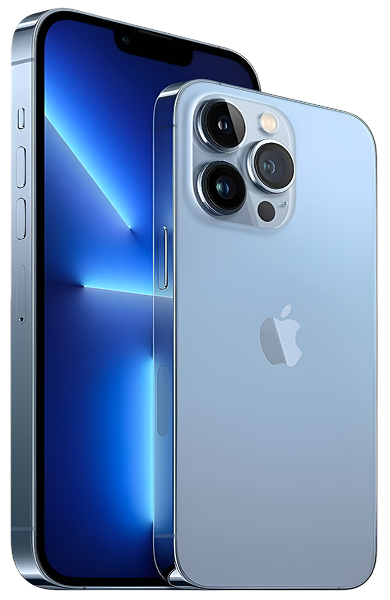
The iPhone 13 Pro Max launched in September 2021 as Apple's absolute top-tier consumer device. Everything about it said "premium": that surgical-grade stainless steel frame, the ProMotion 120Hz display with adaptive refresh, the A15 Bionic chip with 6GB of RAM, and that legendary battery life that could genuinely stretch into a second day of use.
You chose this specific model for reasons—maybe the enormous screen for content consumption, maybe the outstanding battery life, maybe those pro-level cameras, or maybe just because you wanted the absolute best. Whatever your reason, you made a smart long-term investment. This wasn't a phone designed to be replaced in two years. This was built for longevity.
Fast forward to today, and here's what hasn't changed: that A15 chip is still powerful (it's literally the same processor in the iPhone 14 standard models). The ProMotion display is still buttery smooth. The camera system still takes stunning photos. iOS 18 runs beautifully on it, and Apple's going to keep sending updates for years. The hardware that was excellent in 2021 is still excellent in 2025—it didn't suddenly become obsolete just because newer models exist.
Why Modern Phones Face These Universal Challenges
Before we dive into specific issues, let's talk about something important: every smartphone, no matter how well-built, faces certain inevitable challenges. Understanding these helps you recognize what's normal aging versus what's a real problem.
Batteries are consumable components, not permanent fixtures. Your iPhone 13 Pro Max's battery has been through hundreds of charge cycles over three years. Each cycle causes tiny chemical changes inside—the electrolyte gradually breaks down, the electrodes develop microscopic structural changes. This is normal chemistry, not a defect. It's like the tires on a car: they're designed to last thousands of miles, but they're not meant to last forever. Good news? Battery replacement essentially gives your phone a complete refresh.
Screens are tough but not indestructible. The Ceramic Shield on your 13 Pro Max is genuinely impressive technology—it's got better drop protection than most competitors. But it's still glass, and glass can crack. The bigger the screen, the more vulnerable it is to corner impacts where force concentrates. Your 6.7-inch display is larger, which means statistically more exposure to potential damage. But here's the thing: even cracked screens are repairable, and your phone's data stays safe.
Ports and connectors experience mechanical wear. Your Lightning port has been plugged and unplugged thousands of times over three years. The stainless steel frame's buttons have been pressed countless times. Mechanical components wear—that's just physics. Plus, your phone lives in pockets and bags where lint, dust, and debris constantly accumulate. Sometimes what seems like a broken port is just a port that needs thorough cleaning.
Software complexity increases over time. iOS gets more sophisticated with each update, adding features and capabilities. Sometimes this means older devices need optimization updates to run as smoothly as they did on earlier iOS versions. But Apple's actually pretty good about this—your iPhone 13 Pro Max runs iOS 18 remarkably well, which speaks to both the original hardware's capability and Apple's software optimization efforts.
Common iPhone 13 Pro Max Issues (And What They Really Mean)
Let's walk through the problems people actually face with their iPhone 13 Pro Max, organized by how often we see them.
1. Battery Life Isn't What It Used to Be
What you're experiencing: Your iPhone 13 Pro Max used to be the battery champion—easily lasting a full day, often stretching into a second day. Now you're reaching for a charger by evening, or maybe even mid-afternoon if you've been using it heavily.
What's actually happening: After three years and 700-1,000 charge cycles, chemical battery degradation is real and expected. Check Settings > Battery > Battery Health & Charging. If Maximum Capacity shows 85-90%, that's normal aging. Below 80%? You're definitely going to notice reduced runtime. But here's the key: this doesn't mean your phone is dying—just that one consumable component has reached the end of its service life.
What to try first:
Check what's draining power. Go to Settings > Battery and look at usage by app over the last 10 days. If something unexpected is consuming huge amounts of power (an app you barely use sitting at 30% of battery usage), that's your culprit. Delete it or disable Background App Refresh for it.
Update everything. iOS updates often include power management optimizations. Make sure you're running the latest version and all apps are current.
Manage 5G smartly. Settings > Cellular > Cellular Data Options > Voice & Data. If you're in an area with spotty 5G coverage, your modem works overtime constantly switching between 5G and LTE. Try "LTE" mode for a day and see if battery life dramatically improves.
Check battery health realistically. 90%+ is excellent. 85-89% is good. 80-84% is acceptable. Below 80% means replacement makes sense if battery life is important to you.
Here's what we've learned from experience:
The iPhone 13 Pro Max's battery capacity is genuinely large, which means even at 80% health, it's still got more absolute capacity than smaller iPhones at 100% health. But the psychological impact is real—you bought this phone specifically for outstanding battery life, so when it degrades to merely "good," it feels disappointing. Battery replacement brings back that "I don't need to think about charging" experience you remember from when it was new.
2. The Screen Has a Crack or Isn't Responding Properly
What you're experiencing: Maybe there's a visible crack—small or significant—on that gorgeous 6.7-inch display. Or perhaps the screen looks fine but certain areas aren't responding to touch. Or you're seeing weird flickering, especially at low brightness. Or maybe the ProMotion doesn't feel as smooth as it used to.
What's actually happening: Cracks are obviously physical damage from drops. But touch issues or display weirdness can be either hardware (digitizer failure, loose display cable) or software (display driver glitches, iOS bugs). ProMotion's adaptive refresh can also create confusion—it's designed to run at different refresh rates based on content, so sometimes 60Hz is intentional, not a problem.
What to try first:
If there's no visible damage but touch is problematic: Remove your screen protector and case temporarily. Some poorly-fitted protectors or tight cases can cause pressure points affecting touch. Clean the screen thoroughly with a slightly damp microfiber cloth—oils and moisture affect capacitive touch more than you'd think.
Force restart for software issues. Press Volume Up, then Volume Down, then hold the Side button until you see the Apple logo. This resolves a surprising number of temporary display glitches.
Check ProMotion behavior. The display adapts from 10Hz (static content) to 120Hz (scrolling). If it feels less smooth sometimes, it might just be running at lower refresh appropriately. Open an app and scroll—you should feel that 120Hz smoothness kick in.
Test True Tone. Settings > Display & Brightness. Toggle True Tone off and back on. Sometimes recalibration helps if colors seem off.
Here's what we've learned from experience:
The iPhone 13 Pro Max's display is one of its premium features—it's a ProMotion panel with higher brightness and better color accuracy than standard models. Screen replacement needs to maintain these features, which means quality matters more than on standard iPhones. Cheap replacement screens often don't support ProMotion properly, leaving you with a fixed 60Hz display on a phone you paid extra for 120Hz. When getting screen repair, verify the replacement supports ProMotion and True Tone.
3. Camera Focus Problems or Image Quality Issues
What you're experiencing: One or more of your three cameras isn't working right. Maybe autofocus hunts endlessly without locking. Maybe photos are consistently blurry. Maybe one camera (wide, ultra-wide, or telephoto) doesn't work at all. Or maybe you're seeing that weird camera shake or jitter.
What's actually happening: The iPhone 13 Pro Max's camera system includes sophisticated optical image stabilization and autofocus mechanisms—tiny motors moving lens elements with extreme precision. Drops, even seemingly minor ones, can damage these delicate systems. The external camera glass might be perfect, but internally, something's knocked out of alignment.
What to try first:
Clean the lenses thoroughly. Three camera lenses means three opportunities for fingerprints and smudges. Use a clean microfiber cloth and gently wipe each lens.
Test each camera individually. Switch between all three rear cameras and the front camera. If only one isn't working, that's an isolated module issue. If all cameras have problems, it's more likely software or logic board related.
Try third-party camera apps. Open Instagram, Snapchat, or another app that uses the camera. If it works fine in other apps but not Apple's Camera app, it's a software issue that'll likely get fixed in an update.
Force-close Camera app. Swipe up from the bottom and hold to see all running apps, then swipe up on Camera to fully close it. Reopen fresh.
Here's what we've learned from experience:
A common pattern: someone drops their iPhone 13 Pro Max onto carpet or into a couch—seems totally harmless, no visible damage at all. Weeks later, they notice the main camera won't focus properly. They don't connect the two events because there was no dramatic impact. But that internal optical stabilization system is delicate enough that even cushioned drops can cause misalignment. If your camera worked perfectly before a specific drop, even a minor one, internal damage is likely.
4. Charging Port Acting Finicky
What you're experiencing: Your iPhone 13 Pro Max charges inconsistently. Sometimes it works fine, sometimes you have to wiggle the Lightning cable to get it to connect. Or maybe it charges really slowly even with your fast charger. Or you're getting "Liquid Detected" warnings even though the phone's completely dry.
What's actually happening: After three years, your Lightning port has accumulated significant debris—pocket lint gets compacted deeper with every cable insertion. This prevents proper electrical contact between cable pins and port pins. It's incredibly common and usually fixable with careful cleaning. Less commonly, the port itself is damaged or there's corrosion from old liquid exposure.
What to try first:
Inspect carefully. Power off your phone completely. Use the brightest flashlight you have and really look inside the Lightning port from multiple angles. See lint, dust, or debris? That's probably your entire problem.
Clean patiently and gently. Use a wooden toothpick (never metal—you'll short something or bend pins). Slowly, carefully work out visible debris. This isn't a 30-second job—seriously compacted lint can take 5-10 minutes of patient work to fully remove.
Test with multiple cables. Lightning cables wear out—the thin internal wires fray with repeated bending. Try at least two different cables, ideally Apple's official Lightning cables, before concluding your port is broken.
Check charging speed properly. Plug into a 20W or higher USB-C power adapter. Your iPhone 13 Pro Max should reach about 50% in roughly 30 minutes. If it does, your charging system is fine—it was just the cable or adapter that was the issue.
Here's what we've learned from experience:
We'd estimate 65-70% of "my charging port is broken" complaints are resolved with thorough professional cleaning—no parts replacement needed. But here's the critical detail: if you try cleaning too aggressively with metal tools (paperclips, safety pins, needles), you can actually damage the port and convert a simple cleaning issue into genuine hardware damage requiring port replacement. Gentle wooden toothpicks only. If gentle cleaning doesn't work, it's professional help time, not "more aggressive cleaning" time.
5. Phone Getting Warm or Showing Thermal Warnings
What you're experiencing: Your iPhone 13 Pro Max gets noticeably warm—sometimes uncomfortably so—especially during charging, camera use, or gaming. Sometimes it gets hot enough that iOS displays a temperature warning and disables certain features until it cools down.
What's actually happening: The A15 Bionic chip is powerful, and power creates heat. During demanding tasks, warmth is normal—your phone's stainless steel frame and glass back are designed to conduct heat away from internal components. But if it's getting hot during light use (browsing, reading), something's wrong. Usually it's software: an app stuck in a loop, background processes running unnecessarily, or the 5G modem working overtime.
What to try first:
Identify what's generating heat. Check Settings > Battery to see which apps are consuming the most power (high power usage equals heat generation). If something unexpected tops the list, close it or check for updates.
Remove case during intensive use. Cases trap heat that would otherwise dissipate. If you're gaming, recording video, or using navigation, take the case off temporarily.
Try Low Power Mode. This forces the processor to be more conservative, generating less heat. If overheating stops in Low Power Mode, you've confirmed it's processor-related rather than a hardware short.
Check 5G usage. In marginal 5G areas, the modem works incredibly hard. Try switching to LTE (Settings > Cellular > Cellular Data Options > Voice & Data) for a day and see if heat issues improve.
Reset all settings. Settings > General > Transfer or Reset iPhone > Reset > Reset All Settings. This doesn't delete data but returns system settings to defaults, which can resolve software conflicts causing thermal issues.
Here's what we've learned from experience:
The iPhone 13 Pro Max's large form factor actually helps with heat dissipation—more surface area means more opportunity to radiate heat. But if you're using it in a thick case, during intensive tasks, while fast-charging, in direct sunlight, you're stacking multiple heat sources together. Each individual factor might be fine, but combined they can push the phone past its thermal management threshold. If heat's a recurring problem, identify which factors apply and reduce them.
The Repair Value Proposition: Why Fixing Makes Financial Sense
Let's talk honestly about the economics of keeping your iPhone 13 Pro Max versus replacing it.
What You Originally Invested
You didn't buy an entry-level phone. The iPhone 13 Pro Max started at a premium price point because it offered premium capabilities: the largest screen, longest battery life, best cameras, and most advanced features Apple offered at the time. That initial investment was significant.
What Current Flagship Phones Cost
New flagship devices today cost just as much or more than what you paid in 2021. If you're comparing "repair my 13 Pro Max" versus "buy the latest flagship," you're looking at a substantial price difference. Even multiple repairs cost considerably less than new flagship pricing.
What Your 13 Pro Max is Still Capable Of
Here's the reality check: your iPhone 13 Pro Max isn't meaningfully slower than current mid-range phones. The A15 Bionic chip is still fast. The cameras are still excellent. The ProMotion display is still premium. If the only issues you're facing are normal wear (battery aging) or accidental damage (cracked screen), the core device capabilities remain strong.
The Math on Common Repairs
Battery feeling worn out? Replacement addresses the single consumable component while keeping everything else that's still excellent. You get back that legendary battery life you remember.
Screen cracked? Replacement restores that beautiful 6.7-inch ProMotion display to perfect condition. Everything else—the fast processor, great cameras, solid build—was already fine.
Charging port problematic? Usually cleaning fixes it, but even replacement when needed is a moderate investment that keeps your device fully functional.
Multiple issues? Even addressing several problems simultaneously typically costs far less than half of what a new flagship device would cost. And you keep everything—your data, settings, apps, and familiarity with the device.
The Environmental Calculation
Every new smartphone manufactured creates significant environmental impact: rare earth mineral mining, carbon emissions during production, water usage, and eventual e-waste when that device is replaced. By keeping your iPhone 13 Pro Max running longer through repairs, you're making a genuinely meaningful environmental choice. Extending device life from 3 years to 5-6 years isn't just good for your wallet—it's good for the planet.
Preventative Maintenance: Keeping Your iPhone 13 Pro Max in Prime Condition
The best iPhone 13 Pro Max repair is the one you never need. Here's how to maximize longevity.
Protect the display and frame. A quality case with raised edges around the screen and camera array prevents most damage. Yes, it adds bulk to an already-large phone. But it's cheap insurance against expensive repairs. Consider how you'd feel paying for screen replacement versus accepting a slightly bulkier phone in a case.
Manage battery health proactively. Enable Optimized Battery Charging (Settings > Battery > Battery Health & Charging). Avoid extreme temperatures—don't leave your phone in hot cars or freezing environments. Partial charging throughout the day is fine—you don't need to do full 0-100% cycles regularly.
Keep software current. iOS updates contain important performance optimizations and bug fixes specifically for older devices. Your iPhone 13 Pro Max will continue getting updates for years—take advantage of them. Enable automatic updates to ensure you're always running the latest version.
Clean ports and openings regularly. Once a month, power off your phone and use a wooden toothpick to gently clean the Lightning port. Use a soft brush for speaker grilles. This simple maintenance prevents most charging and audio problems.
Wipe down the exterior weekly. A slightly damp microfiber cloth removes oils, dust, and grime from the screen and stainless steel frame. The stainless steel shows fingerprints readily—regular cleaning keeps it looking good.
Monitor storage capacity. Keep at least 10-15% of storage free. Full storage slows everything down and can cause various issues. Regularly review Settings > General > iPhone Storage and delete unused apps, old messages with media, and other items you don't need.
Address small problems early. That tiny corner crack? It can spread. That occasional charging issue? It can get worse. Those random restarts? They might be warning signs. Addressing issues early is almost always easier and less expensive than waiting until they become major problems.
What to Expect When You Bring Your iPhone 13 Pro Max In
If you've identified issues that need professional attention, here's what the repair process looks like.
Comprehensive free diagnostic. We test everything systematically: battery health under load conditions, all three cameras for focus accuracy and stabilization, display touch response across the entire 6.7-inch screen, Face ID functionality, charging system operation, speakers and microphones, button operation, and overall device condition. This thorough diagnostic is always free, with no obligation to proceed with repairs.
Clear explanation of findings. We'll tell you exactly what's wrong in plain language. Not confusing technical jargon, just straightforward explanation of the issue, why it happened, and what addressing it entails. If we find problems you didn't know about, we'll explain those too—but we'll never pressure you into repairs you don't need.
Honest assessment of repair value. For a three-year-old device, we'll be straight with you about whether repair makes economic sense. Sometimes it's clearly the right move. Sometimes it's borderline and depends on your specific situation and budget. We'll give you the information you need to make an informed decision.
High-quality components and careful workmanship. If you choose to go ahead, we use quality replacement parts appropriate for Pro Max models. ProMotion displays that actually support 120Hz. Batteries with accurate health reporting. Camera modules with functioning stabilization. We take appropriate time to do the job right—this isn't a rush operation. Proper screw organization, ESD-safe handling, careful cable management.
Thorough post-repair testing. We don't just fix the issue and hand you your phone. We verify the repair worked properly and that we didn't inadvertently affect anything else during the process. You get your iPhone 13 Pro Max back fully functional and tested, with confidence that it's been properly serviced.
Your iPhone 13 Pro Max Can Easily Last Into 2027
The iPhone 13 Pro Max was Apple's flagship just a few generations back. It's not ancient technology—it's a legitimately capable device that handles modern tasks beautifully. The A15 Bionic remains fast, the ProMotion display remains gorgeous, the camera system remains excellent, and iOS support will continue for years.
Most problems you're likely experiencing—battery degradation, screen damage, charging port issues, camera problems—are addressable with targeted repairs. These aren't signs that your device is finished. They're normal wear and tear or accidental damage affecting specific components while the rest of the device remains excellent.
The math is straightforward: repairs cost considerably less than replacement. The environmental impact of keeping your device running is significantly better than upgrading unnecessarily. And the practical benefit of keeping a device you know and like is real—no learning curve, no setup hassle, no adjusting to new size or features.
If your iPhone 13 Pro Max is having issues, don't let those issues push you toward an unnecessary upgrade. We work on these devices regularly, we understand what's normal aging versus what's a real problem, and we're happy to give you honest advice about what makes sense for your situation. Your iPhone 13 Pro Max was built to last—let's make sure it does. Bring it by, and we'll help you keep it running beautifully for years to come.


Trusted repair solution for mobile phones, tablets, gaming consoles, and computer systems. We provide fast, reliable, and affordable repair services to get your devices back in perfect working condition.
The Fix is an independent repair service provider and is not affiliated with, sponsored by, or endorsed by Apple Inc., Samsung Electronics, Google LLC, or any other device manufacturer. We use high-quality compatible replacement parts unless explicitly stated. All trademarks are property of their respective owners.


© Copyright The Fix Solutions All rights reserved 2026.
Design by Deepcoder